
 English
 简体中文
简体中文
 Español
 Русский
 Français
 Português

- دراسة حالة
- إندونيسيا
- 2024
تآكل وجه الإحكام لصمام الكرة في خط الأسمنت
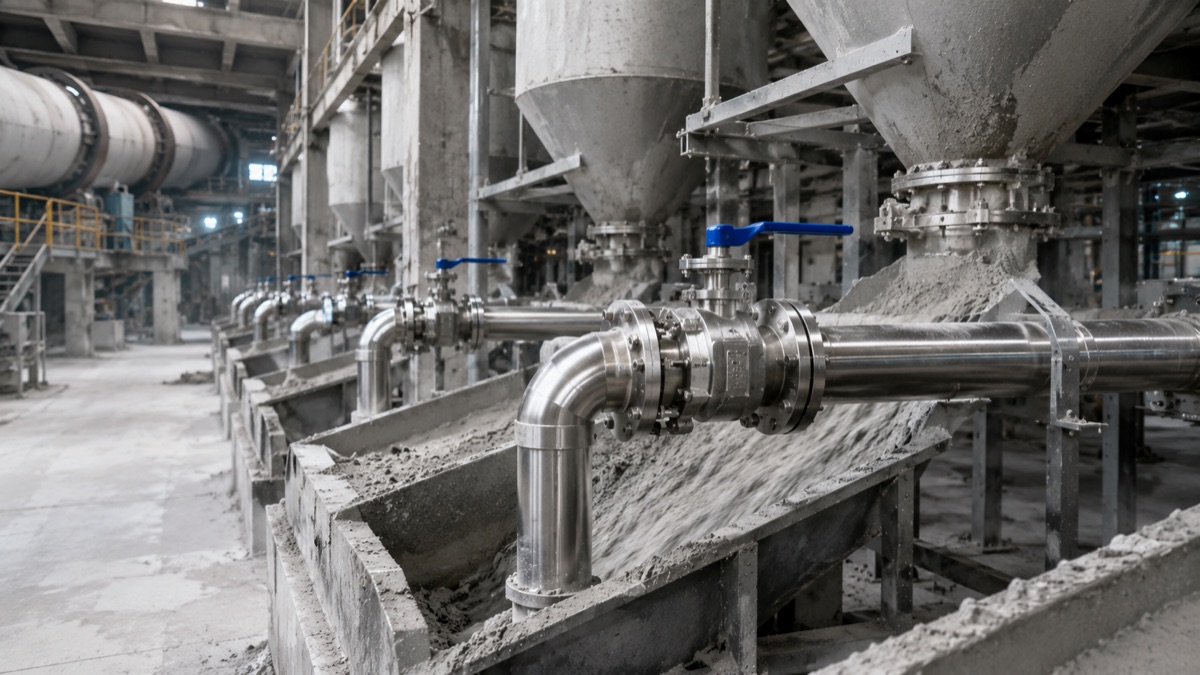
يُقاس تآكل وجه الإحكام لصمام الكرة في تطبيقات المساحيق بالأشهر لا السنين. ففي مصنع أسمنت بجنوب شرق آسيا، كانت الصمامات العادية ذات وجوه الإحكام المعدنية تخرج من الخدمة في غضون بضعة أشهر منها، لعدة ساعات في كل مرة.
أين يتم تركيز الصمام
يُصنع الأسمنت عن طريق نقل المسحوق. تُطحن المواد الخام وتُتجانس، ثم تُسخن مسبقاً وتُكلس، وتُطحن مرة أخرى، ثم تُخزن وتُعبأ. وبين تلك المراحل، يُدفع المواد عبر الأنابيب بالهواء. ويصل الفحم المسحوق إلى الفرن بنفس الطريقة.
كل مسار من تلك المسارات كاشط. فغبار الأسمنت، والمسحوق المعدني، والفحم المسحوق هي جسيمات سيليكات صلبة تتحرك بسرعة النقل. والصمام في هذا الخط لا يحجز مائعاً؛ بل يقف في وجه سفع رملي كلما كان مفتوحاً. وعندما يتم إغلاقه، فإنه يحكم الإغلاق ضد سطح كان السفع الرملي يعمله. ونفس هذا التطبيق يظهر في الطاقة الحرارية وفي التعدين، أينما تم نقل المسحوق.
هذا العميل هو شركة تصنيع أسمنت كبرى في جنوب شرق آسيا، وتشغل عدة آلاف من الأطنان يومياً.
كيف يتسبب تآكل وجه الإحكام لصمام الكرة في تعطل الخط
صمامات الكرة العادية ذات وجوه الإحكام المعدنية لا تصمد أمام هذا. فالجسيمات تُحدث خدوشاً في الكرة ووجه الإحكام، وما يبدأ كخدش يتحول إلى تنقر. وسطح الإحكام الذي تم لفه ليصبح مسطحاً في المصنع لم يعد مسطحاً، ويتوقف الصمام عن الإغلاق.
صمام الكرة الذي لا يُغلق لا يعلن عن نفسه بضجيج؛ بل يسرب باستمرار عبر وجه إحكام مغلق. وتذهب المواد إلى حيث لا ينبغي لها، وتُفقد. والأمر الأسوأ بالنسبة للمصنع هو أن عملية التشغيل على جانبي هذا الصمام تفقد نقطة تحكم. فالمشغل يطلب الإغلاق ويحصل على شيء آخر.
كان المصنع يواجه تآكلاً شديداً في سطح الإحكام بعد بضعة أشهر فقط من الخدمة. استغرقت كل عملية استبدال عدة ساعات، وعلى خط ينتج آلاف الأطنان يومياً، تكون تكلفة العطل بالكامل في تلك الساعات. والصمام نفسه هو مجرد خطأ تقريبي بجانب حمولة الأطنان التي لم يتم إنتاجها.
ما قمنا بتوريده
ليس صماماً أصلب بنفس التصميم، بل هيكل إحكام مختلف.
الكرة ووجه الإحكام مغلفان بالكامل ومبطنان ومغلقان بكربيد التنجستن أو سيراميك الزركونيا. وكلاهما أصلب من جسيمات السيليكات التي تسبب الضرر. فالصلادة فوق المادة الكاشطة هي كل ما في الأمر. السطح الألين مما يصطدم به يتآكل بحكم التعريف. أما السطح الأصلب منه فيحتفظ بهندسته وتشطيبه بدلاً من فقدانه تدريجياً.
التغليف لا يقل أهمية عن المادة. فالسطح الصلب ذو الحافة المكشوفة ينقل الفشل فقط إلى الحافة. فالجسيمات تجد أنعم شيء في مسار التدفق وتعمل عليه. ومع إغلاق هيكل الإحكام بالكامل، لا توجد نقطة ضعيفة مكشوفة يبدأ منها النحر. يعمل وجه الإحكام المعدني الصلب مقابل بطانة مقاومة للتآكل، ومضبوطة بدقة لتناسبها. يحمل الصمام طبقتين من الحماية بدلاً من طلاء واحد يُفقد.
التجويف كامل ومستقيم تماماً. فأي خطوة أو تخفيض هي مكان يتباطأ فيه المسحوق، وحيث يتباطأ المسحوق هو مكان يتراكم فيه وينسد في النهاية. يحافظ مسار التجويف الكامل على انخفاض مقاومة التدفق، ويمنع الصمام من أن يصبح المكان الذي تختنق فيه الخط. يتم التحقق من تكوين المواد وصلادتها تحت اختبار المواد، ويتم فحص وجه الإحكام المطحون مقابل الرسم الهندسي تحت الفحص الأبعادي.
ما الذي تغير
ارتفع عمر وجه الإحكام أضعافاً مضاعفة، وتوقفت عمليات إيقاف الاستبدال التي كانت تحدث كل بضعة أشهر عن الوصول وفقاً لهذا الجدول.
وانخفضت تكاليف الصيانة معها، ولكن ليس هذه هي الطريقة التي يحسب بها المصنع الأمر. ما استعاده هو التشغيل المجدول - القدرة على التخطيط للتوقف بدلاً من الاضطرار إليه، في خط حيث الساعات هي أطنان.
لماذا قصدونا بهذه الطلبية
نحن نطور الهيكل والمواد بأنفسنا، مما يعني أنه يمكن سؤالنا عن السبب وليس عن المظهر.
النحر ليس ميكانيكية واحدة. فحجم الجسيمات، والصلادة، والسرعة، وزاوية الاصطدام، كل منها يغير ما يفشل وأين. الصمام المحدد دون معرفة ذلك يبدو صحيحاً على الورق ويتآكل في الموقع على أي حال. لذلك يسير العمل بهذا الترتيب: تشخيص التطبيق كما هو في الواقع، وتصميم هيكل الإحكام حوله، وفقط بعد ذلك اختيار المادة المقاومة للتآكل المناسبة.
إذا كان خط الأسمنت الخاص بك يتوقف كل بضعة أشهر لتغيير صمام، فمن المحتمل ألا يكون الصمام هو الشيء الذي يجب تغييره.
هل يحدث هذا في خط الإنتاج لديك؟
أخبرنا بالمقاس ونوع الوصلة والوسيط المار، فيصلك عرض سعر مفصّل بدل طلب مزيد من المعلومات.
خطوط أخرى مشابهة
-
التخمير
ارتفاع عمود صمام الفراشة في مصنع جعة
-
مستحضرات التجميل
انحراف موضع الصمام على خط تعبئة
-
منتجات الألبان
صدأ الفولاذ المقاوم للصدأ في الهواء الساحلي