
 English
 简体中文
简体中文
 Español
 Русский
 Français
 Português

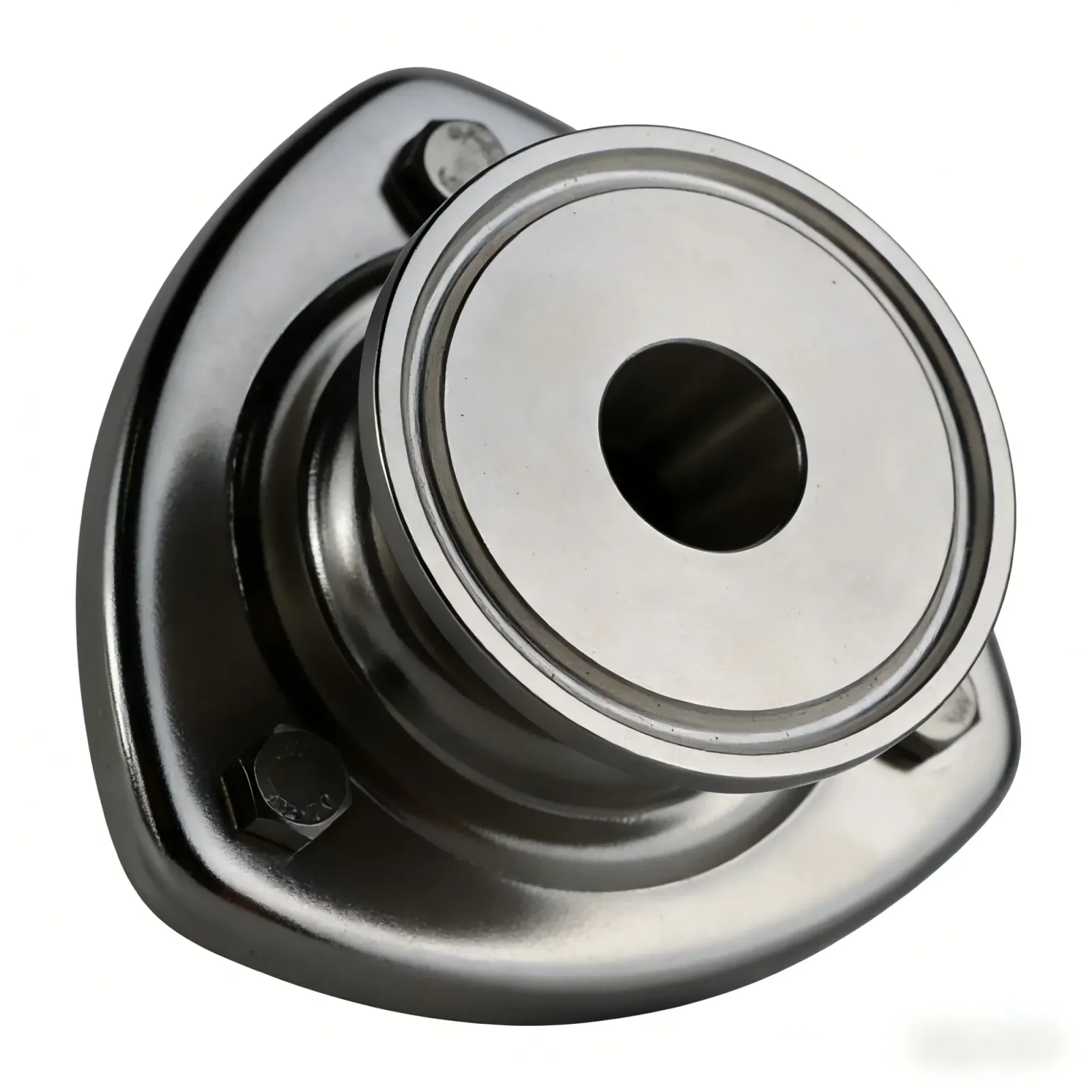
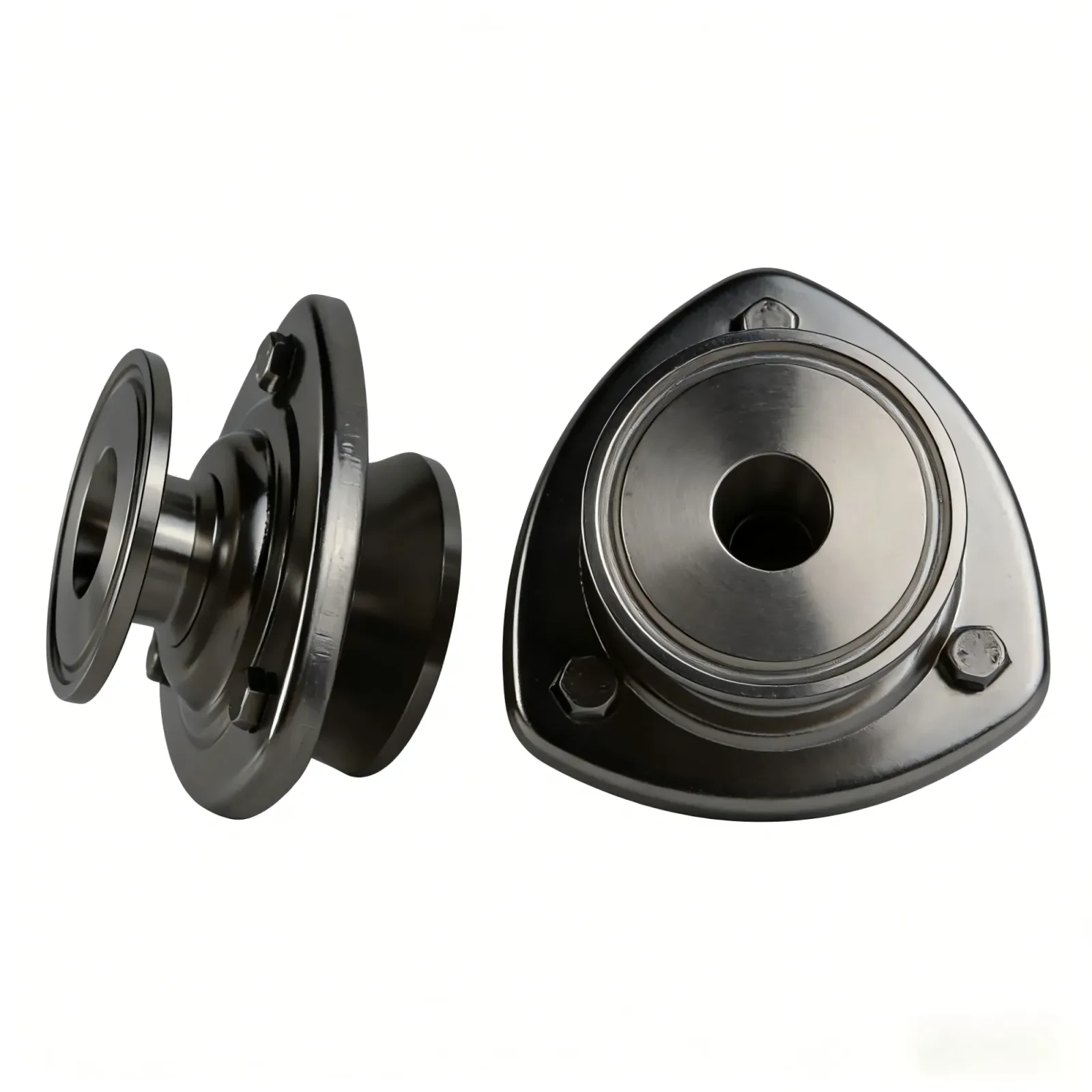
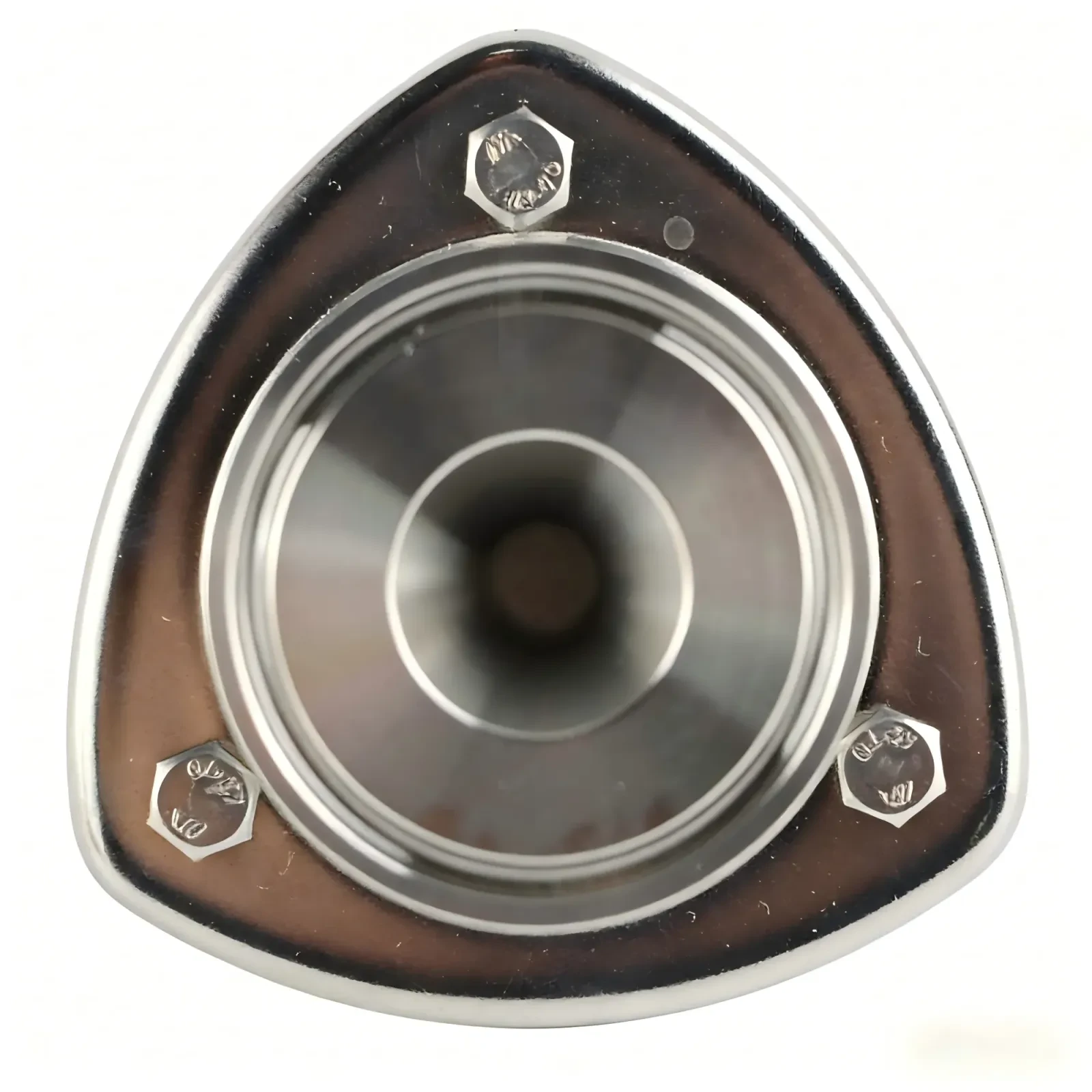
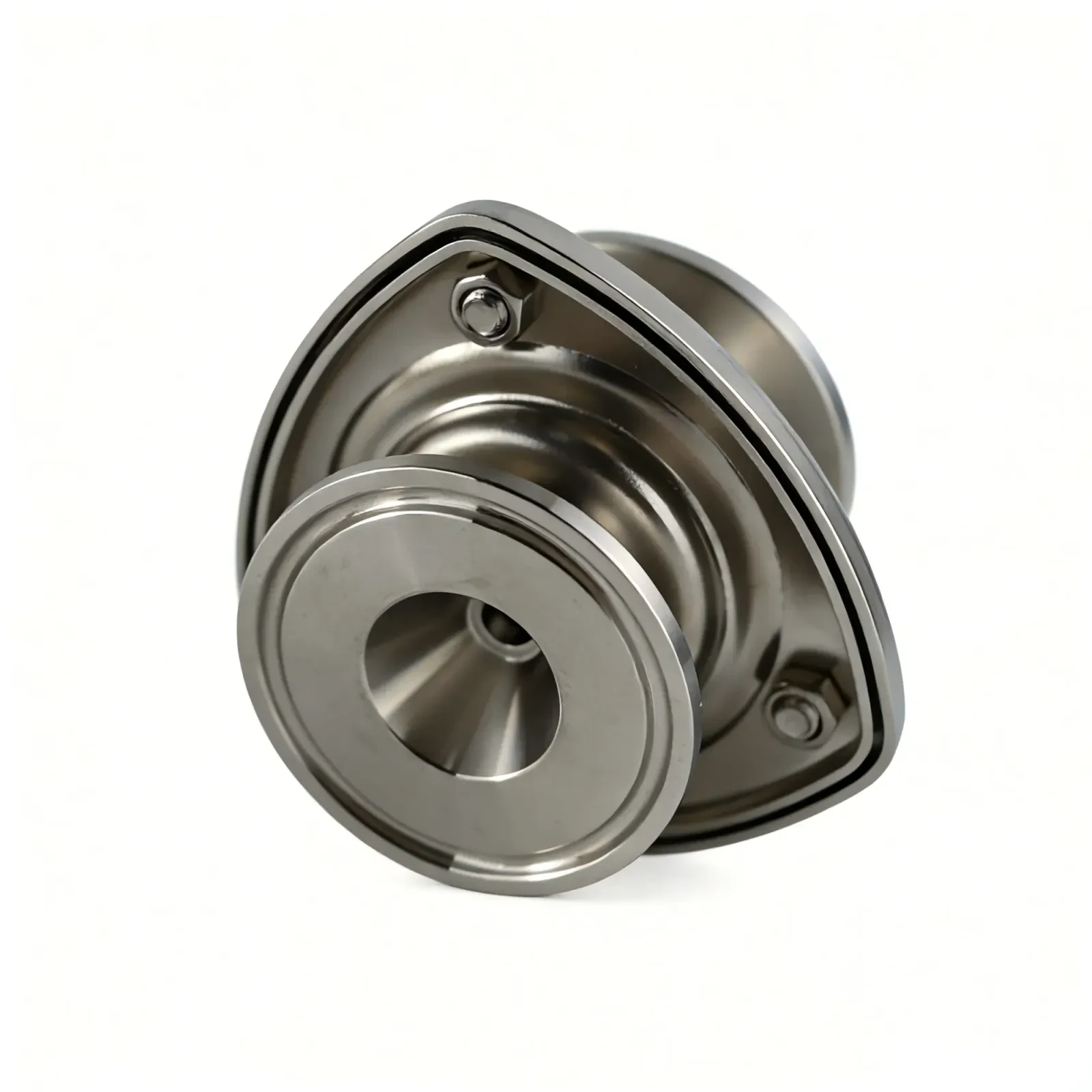
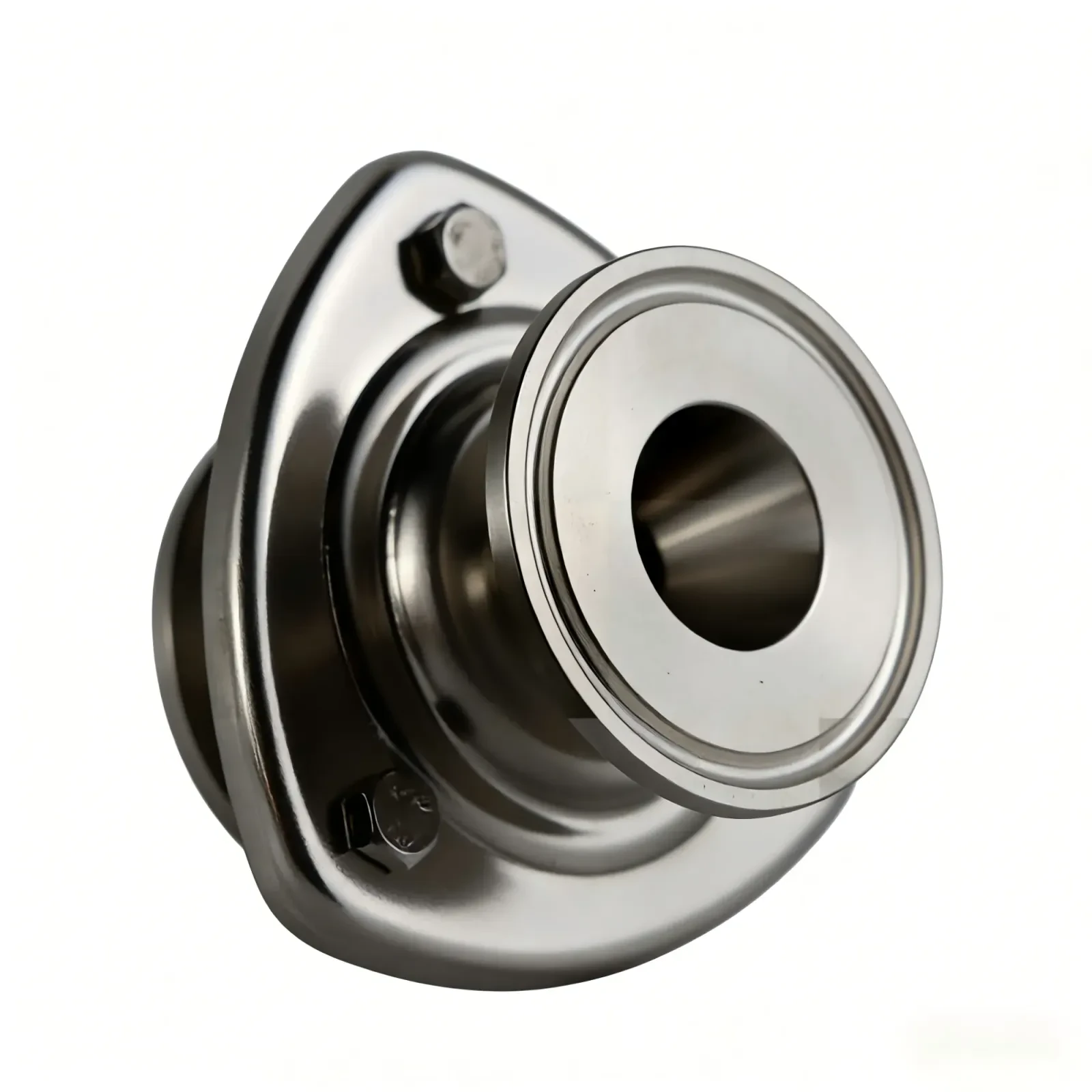
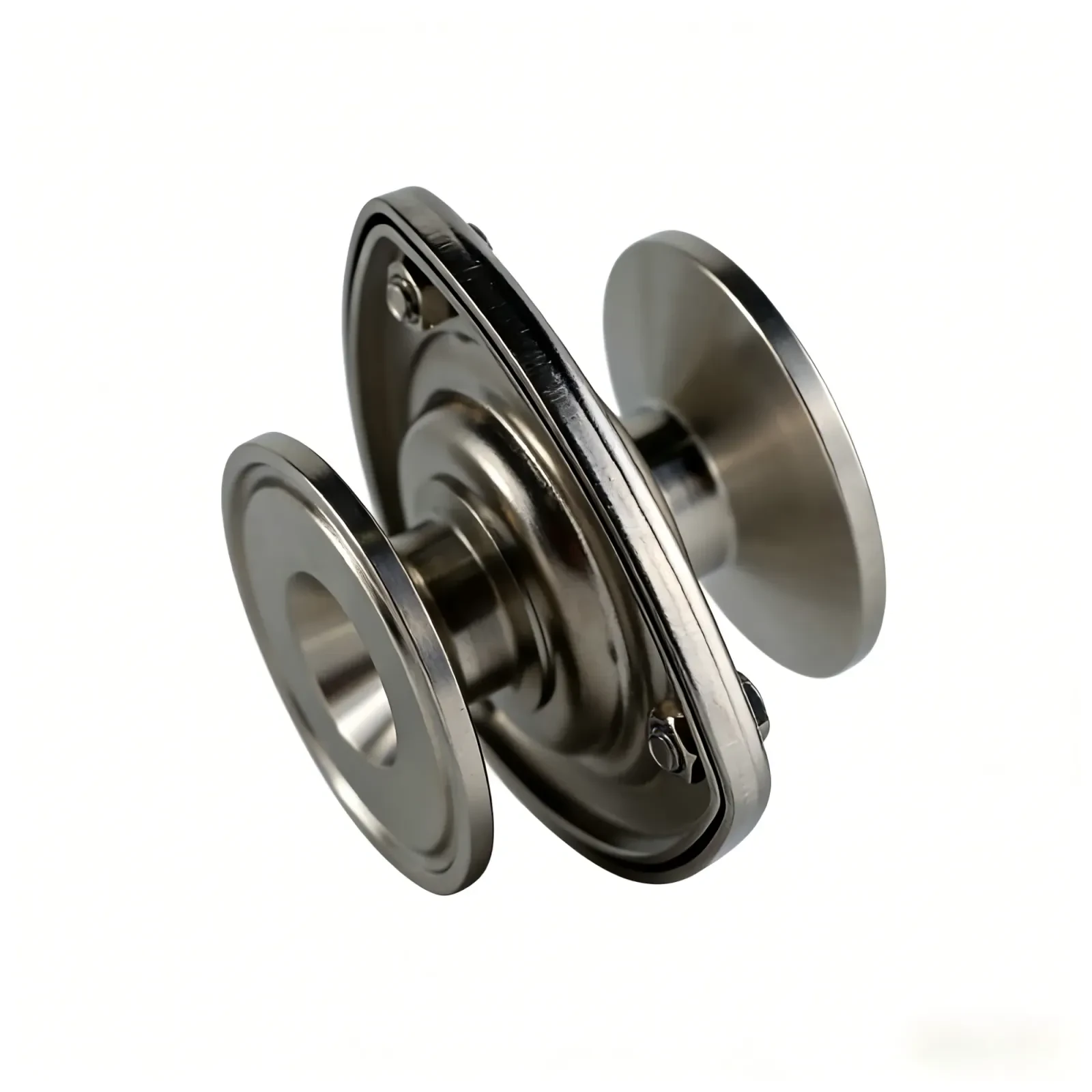
مصيدة بخار
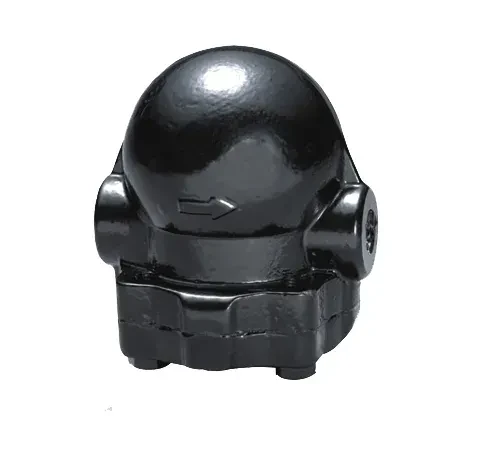
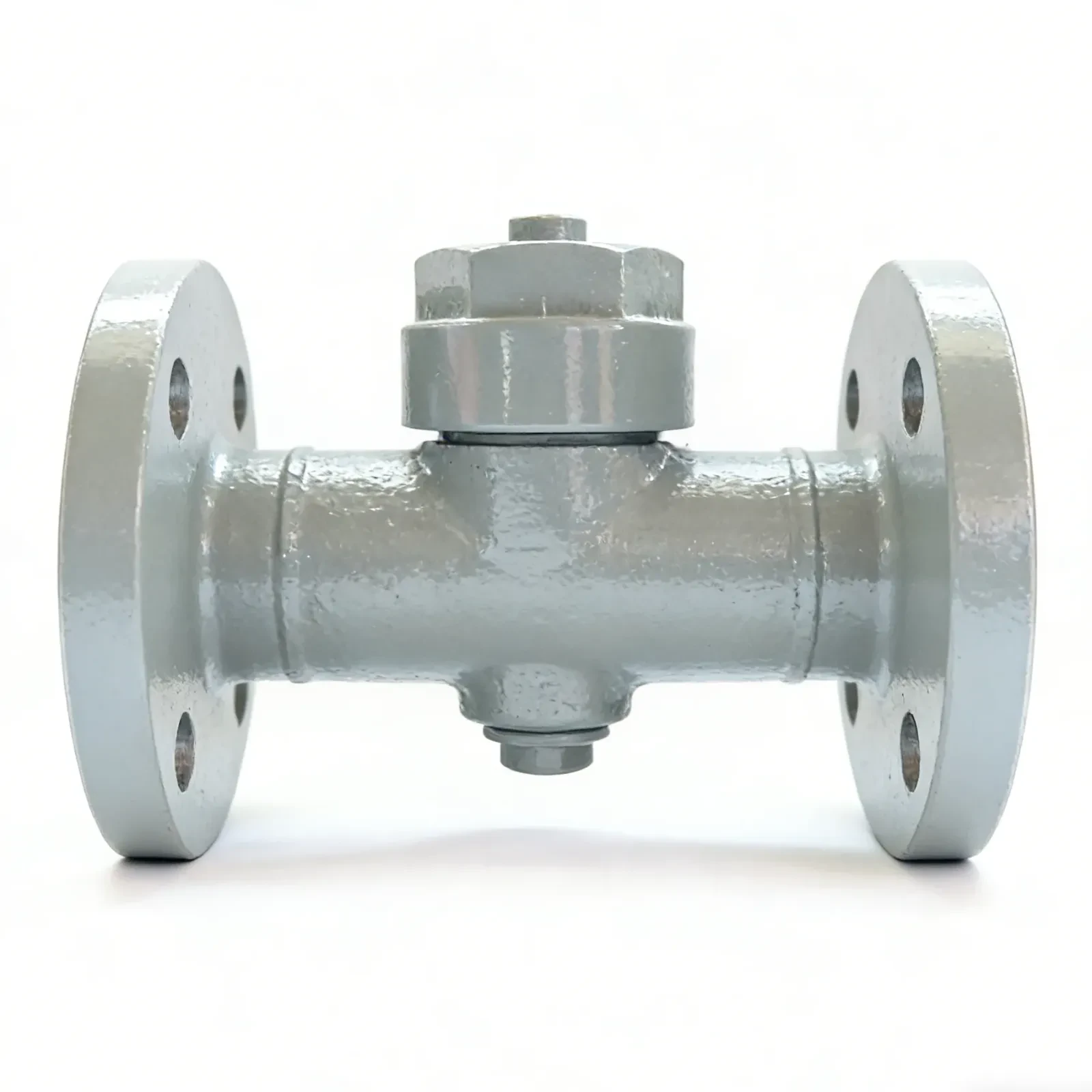
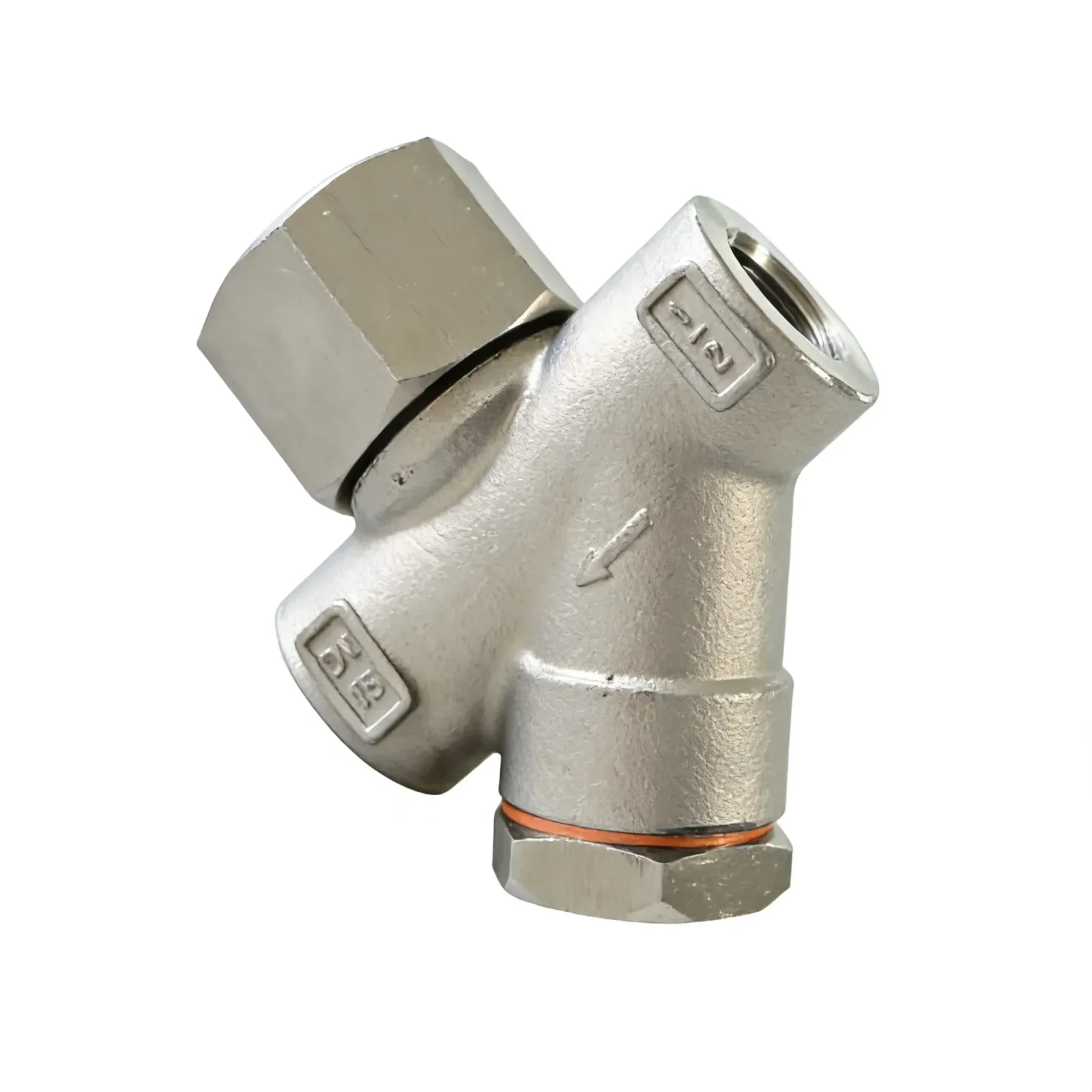
مصيدة بخار حرارية لاسلكية بعوامة Armstrong من الفولاذ المقاوم للصدأ FT44
- العلامة التجارية
- JONENG
- رقم القطعة
- LD-587000938
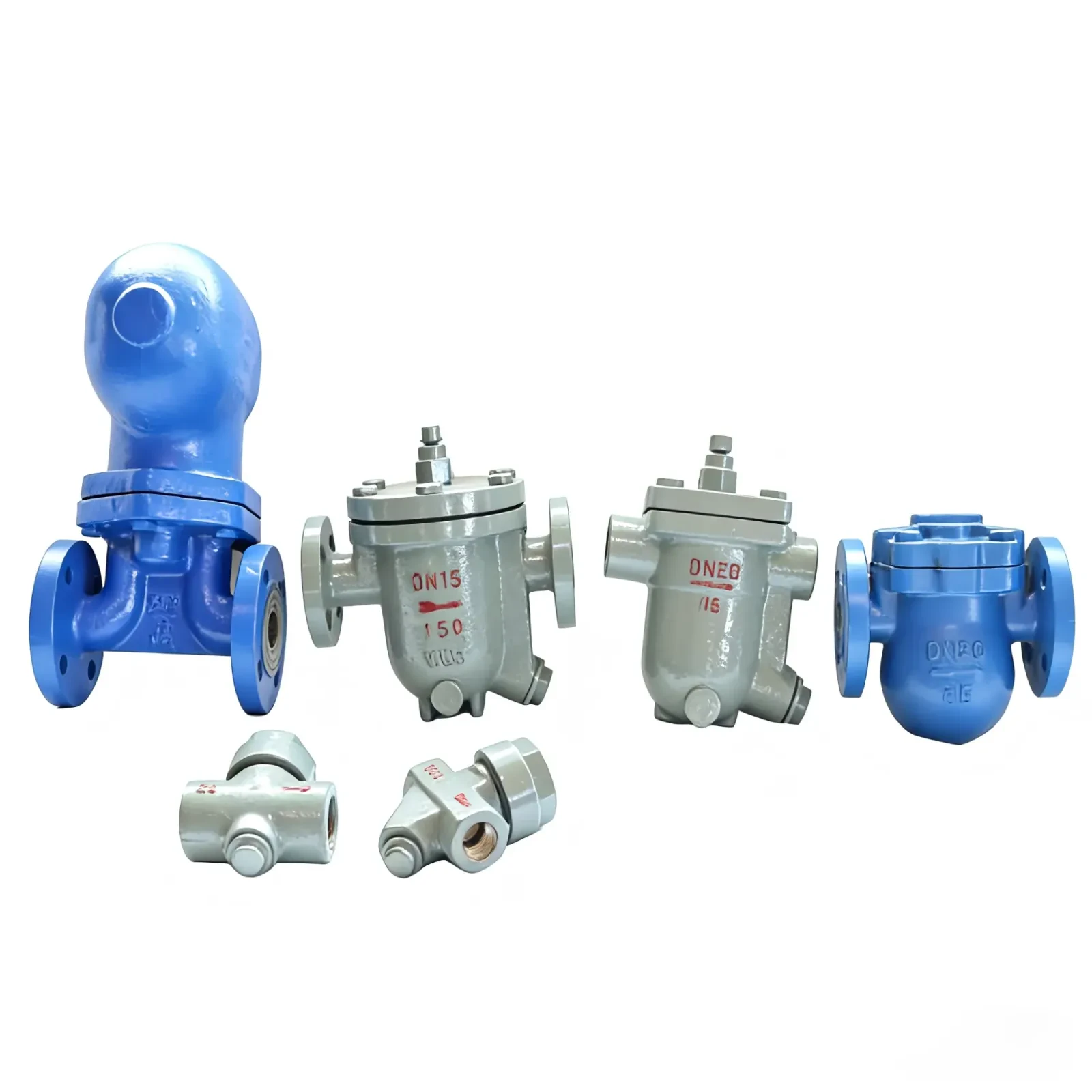
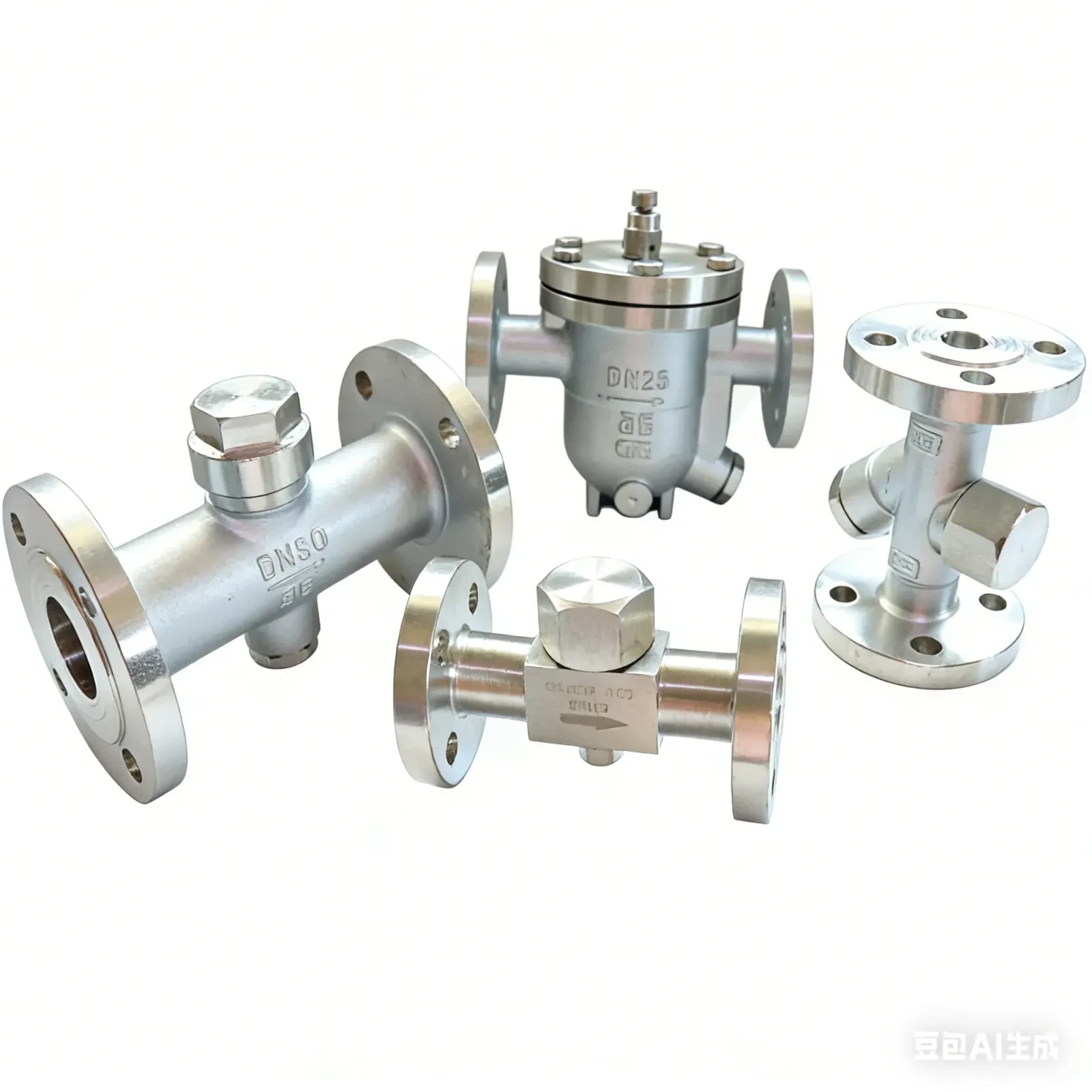
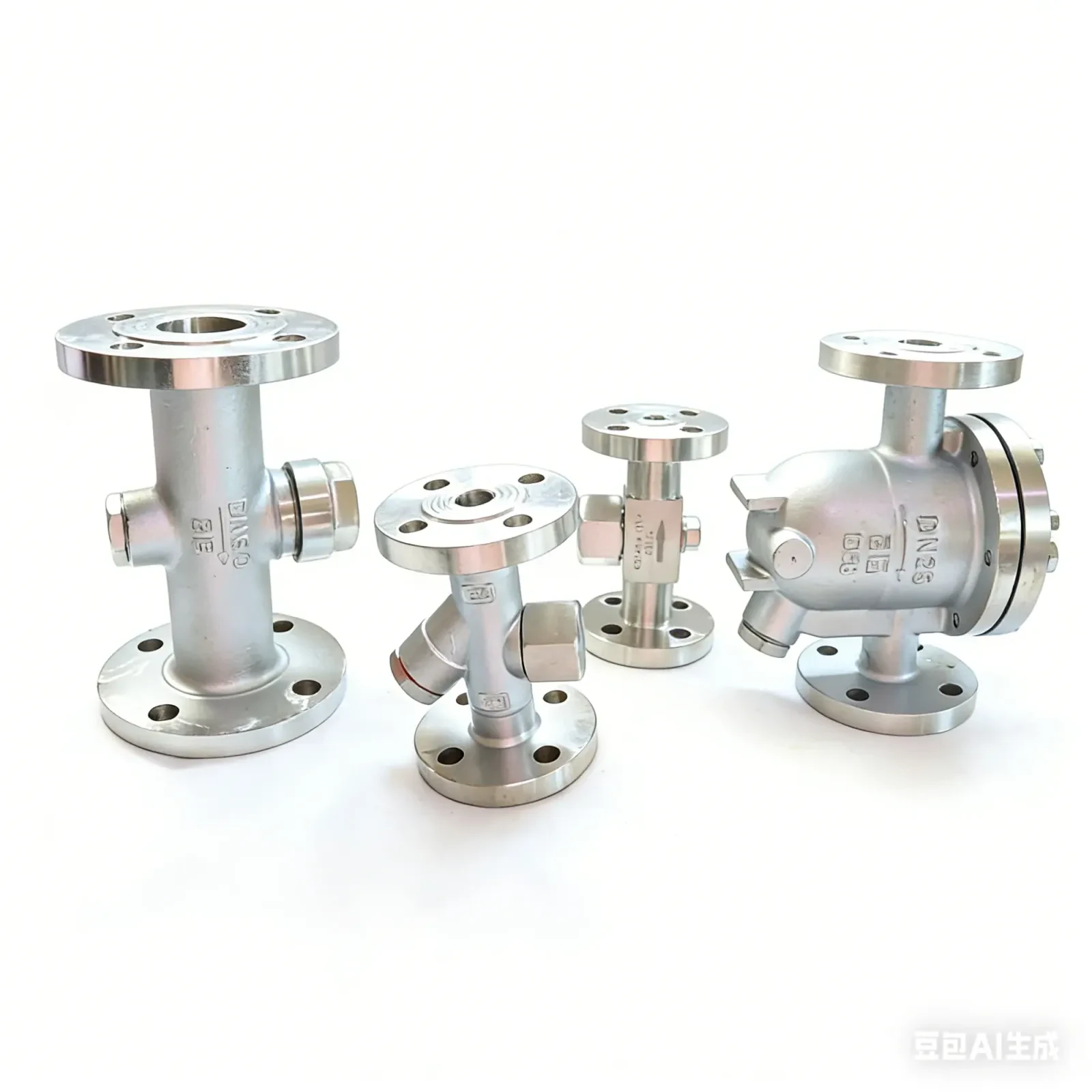
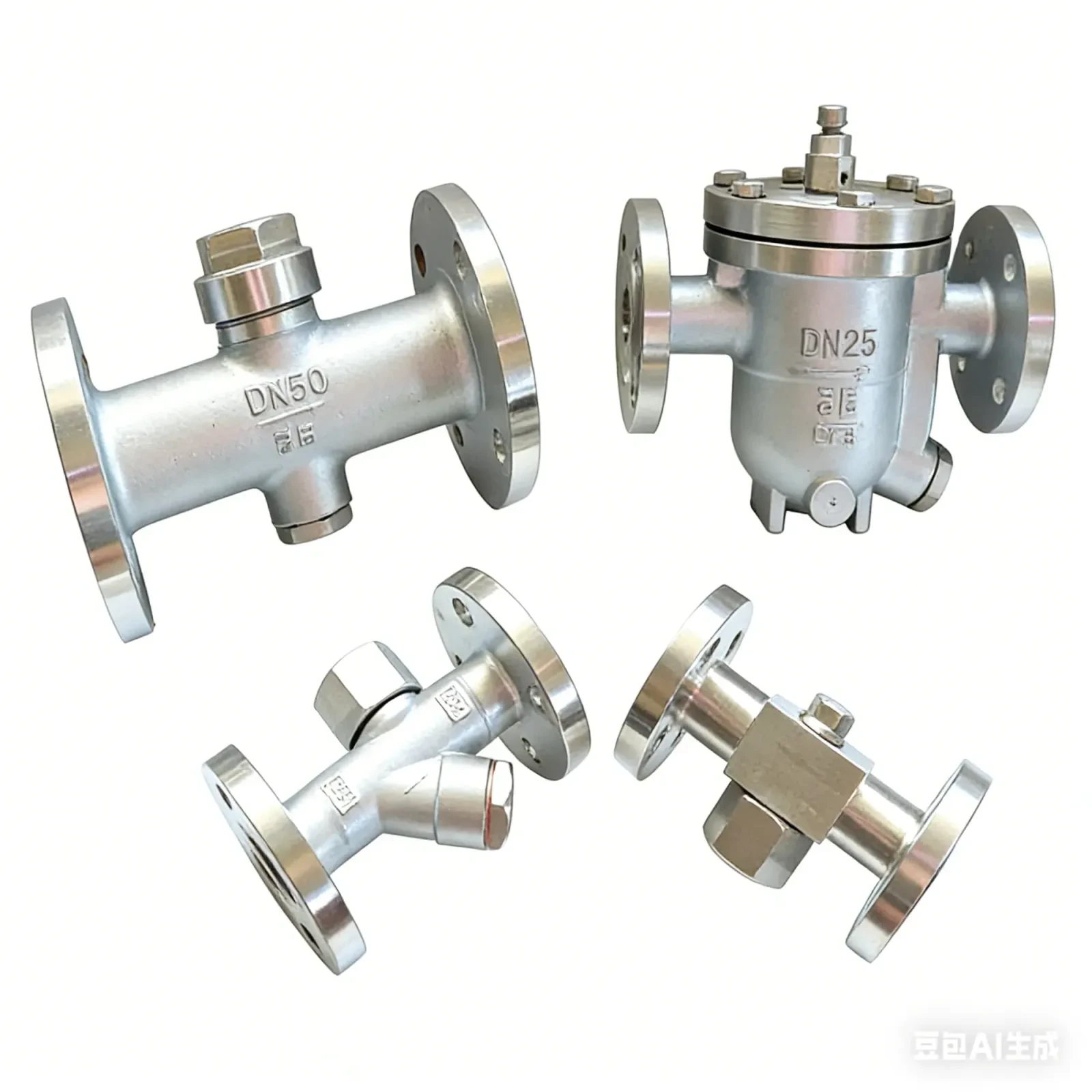
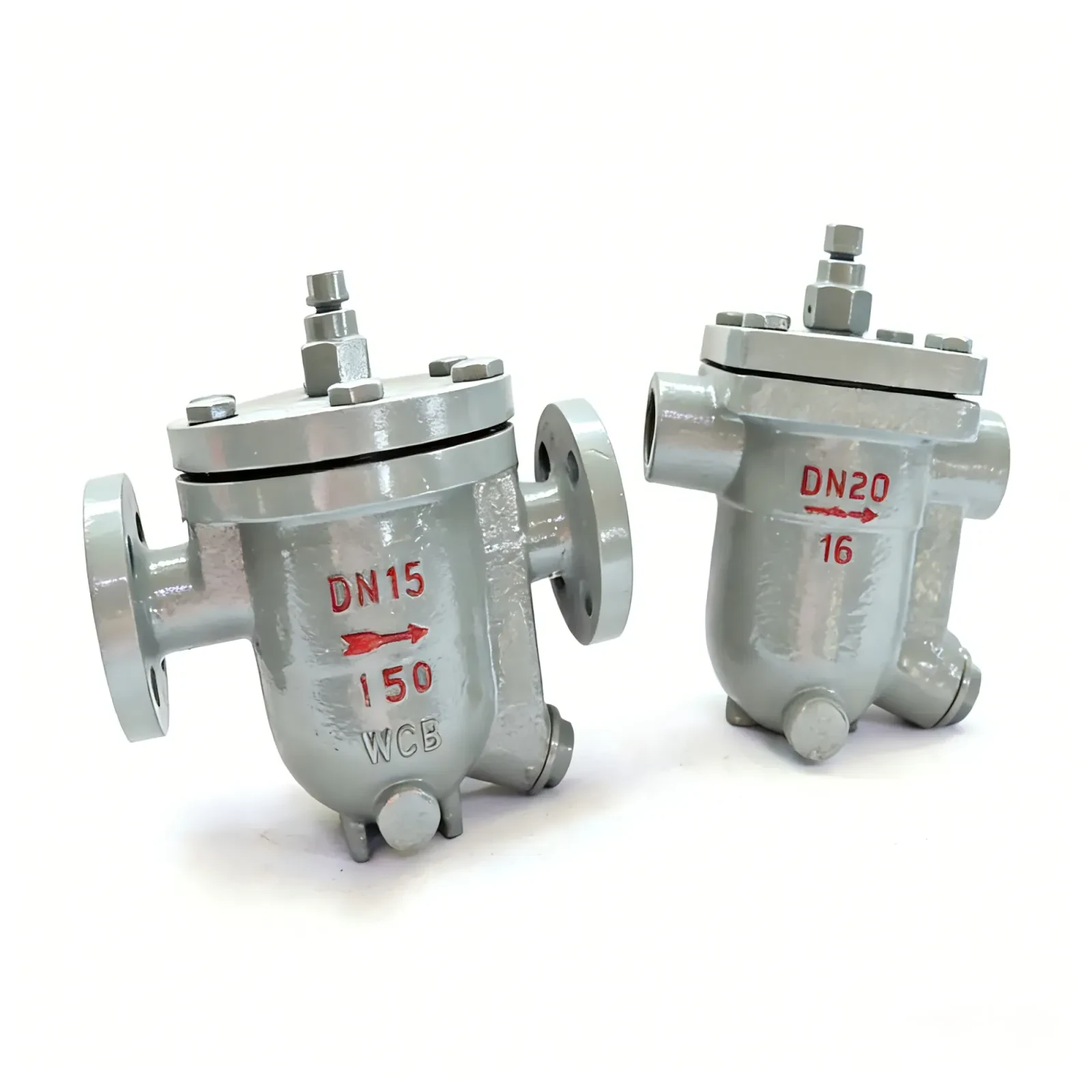
توفر مصائد البخار بأنواع ملولبة ومفلنجة، بمقاسات مختلفة وتصنيفات ضغط متنوعة. تتميز بمقاومتها العالية للحرارة والتآكل، وتوفر فتحاً وإغلاقاً حساسين، وتصريفاً مستقراً، مما يجعلها مناسبة لنظم البخار.
الوصف
توفر مصائد البخار بأنواع ملولبة ومفلنجة، بمقاسات مختلفة وتصنيفات ضغط متنوعة. تتميز بمقاومتها العالية للحرارة والتآكل، وتوفر فتحاً وإغلاقاً حساسين، وتصريفاً مستقراً، مما يجعلها مناسبة لنظم البخار.
المزيد في مصيدة بخار
منتجات ذات صلة
-
-
 فيديو
فيديو
-
 فيديو
فيديو
-
 فيديو
فيديو
-
 فيديو
فيديو
-
 فيديو
فيديو
-
 فيديو
فيديو
-
 فيديو
فيديو
-
 فيديو
فيديو
-
 فيديو
فيديو
-
 فيديو
فيديو
-
 فيديو
فيديو
- عرض كل مصيدة بخار