
 English
 简体中文
简体中文
 Español
 Русский
 Français
 Português

 فيديو
فيديو
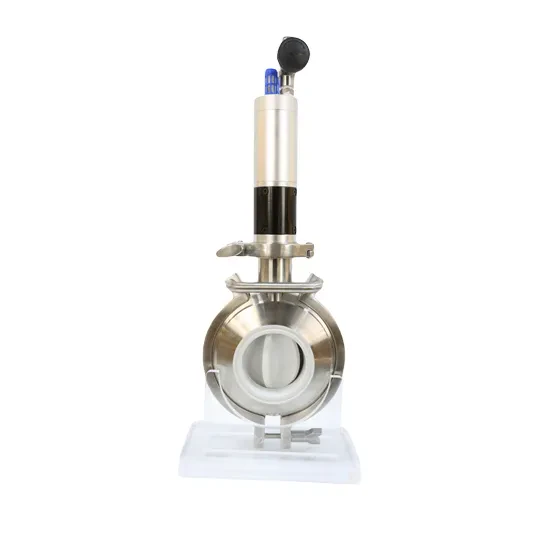
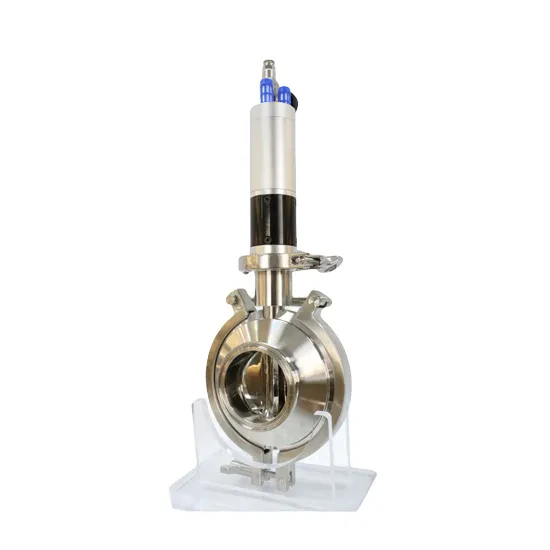
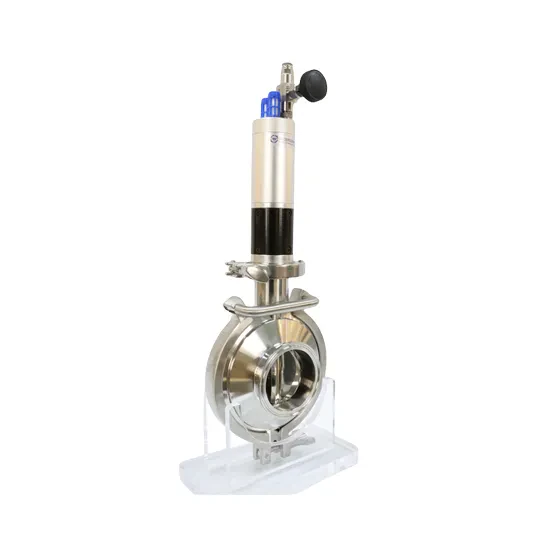
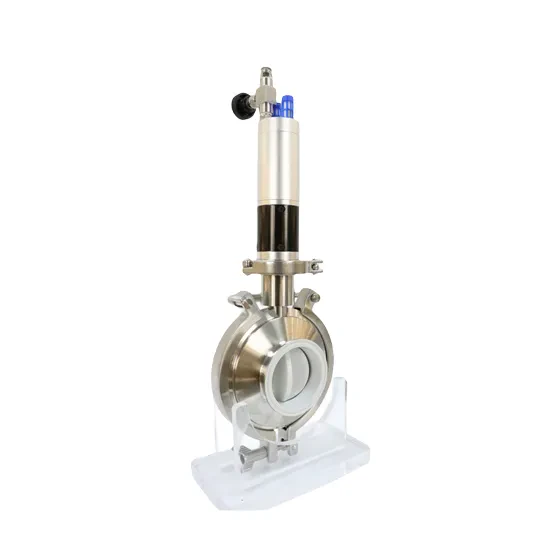
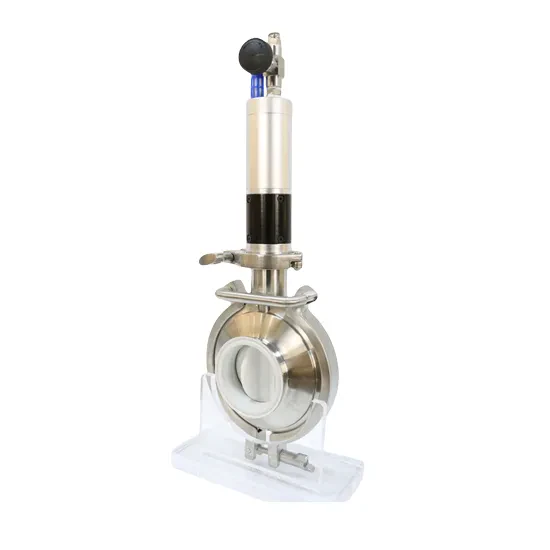
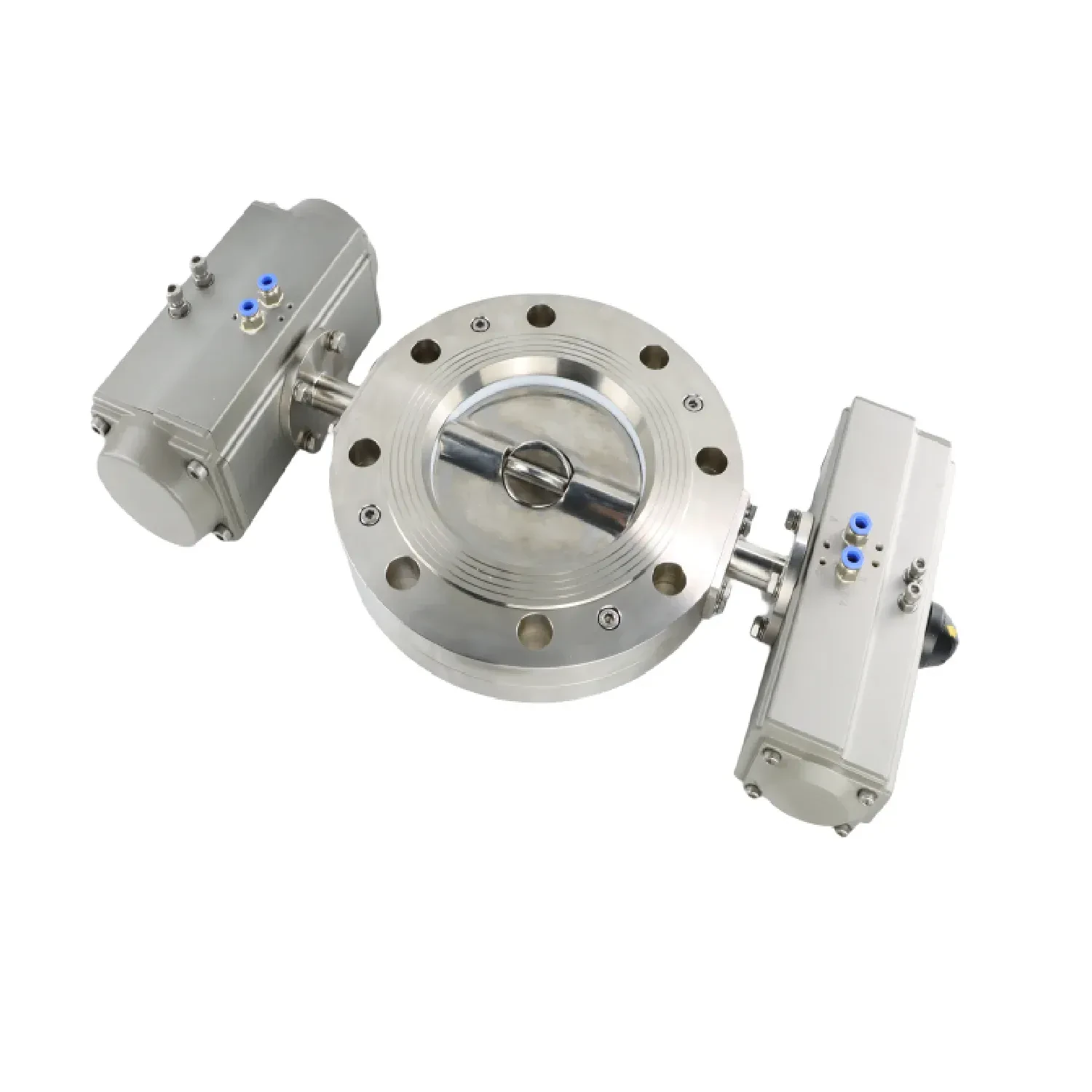
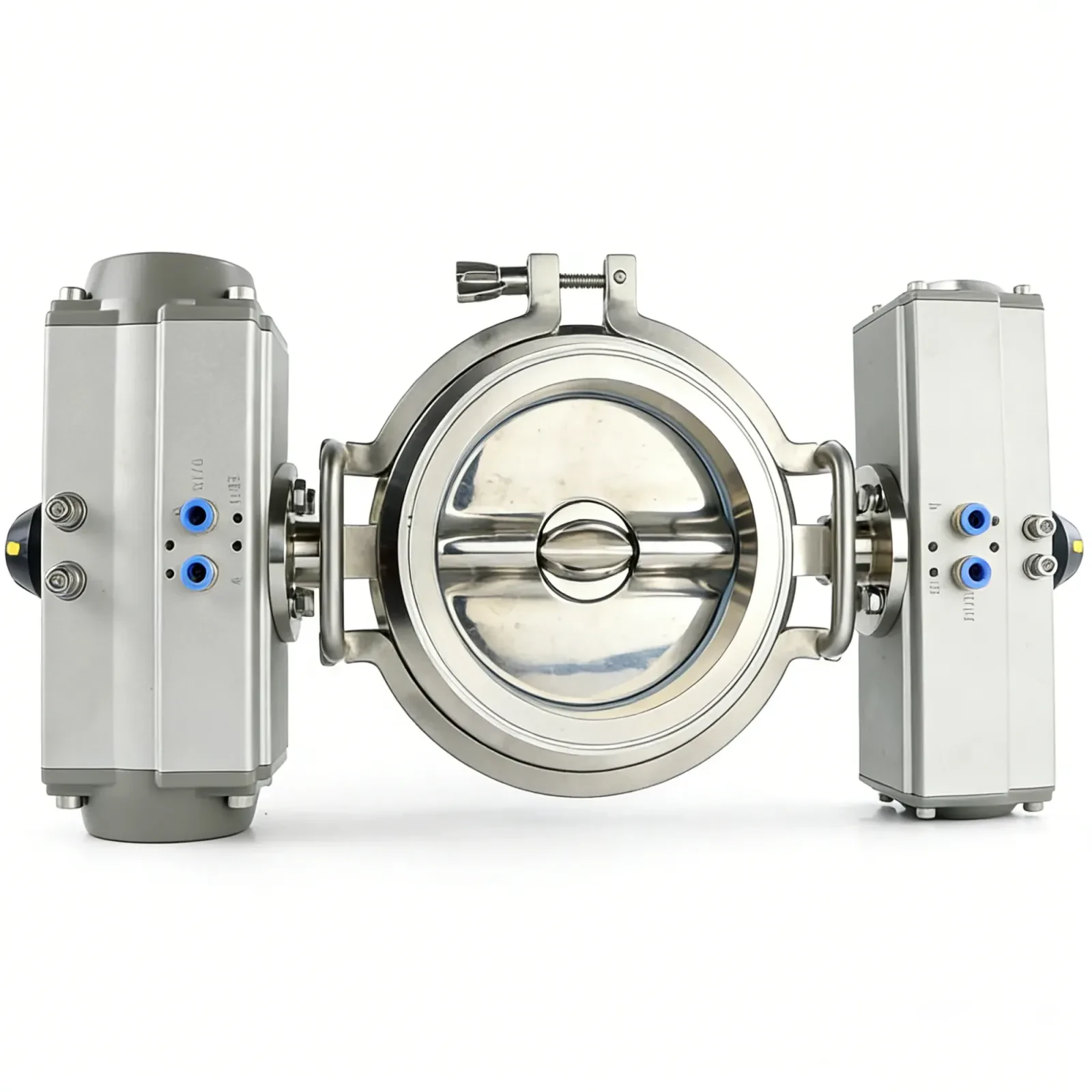
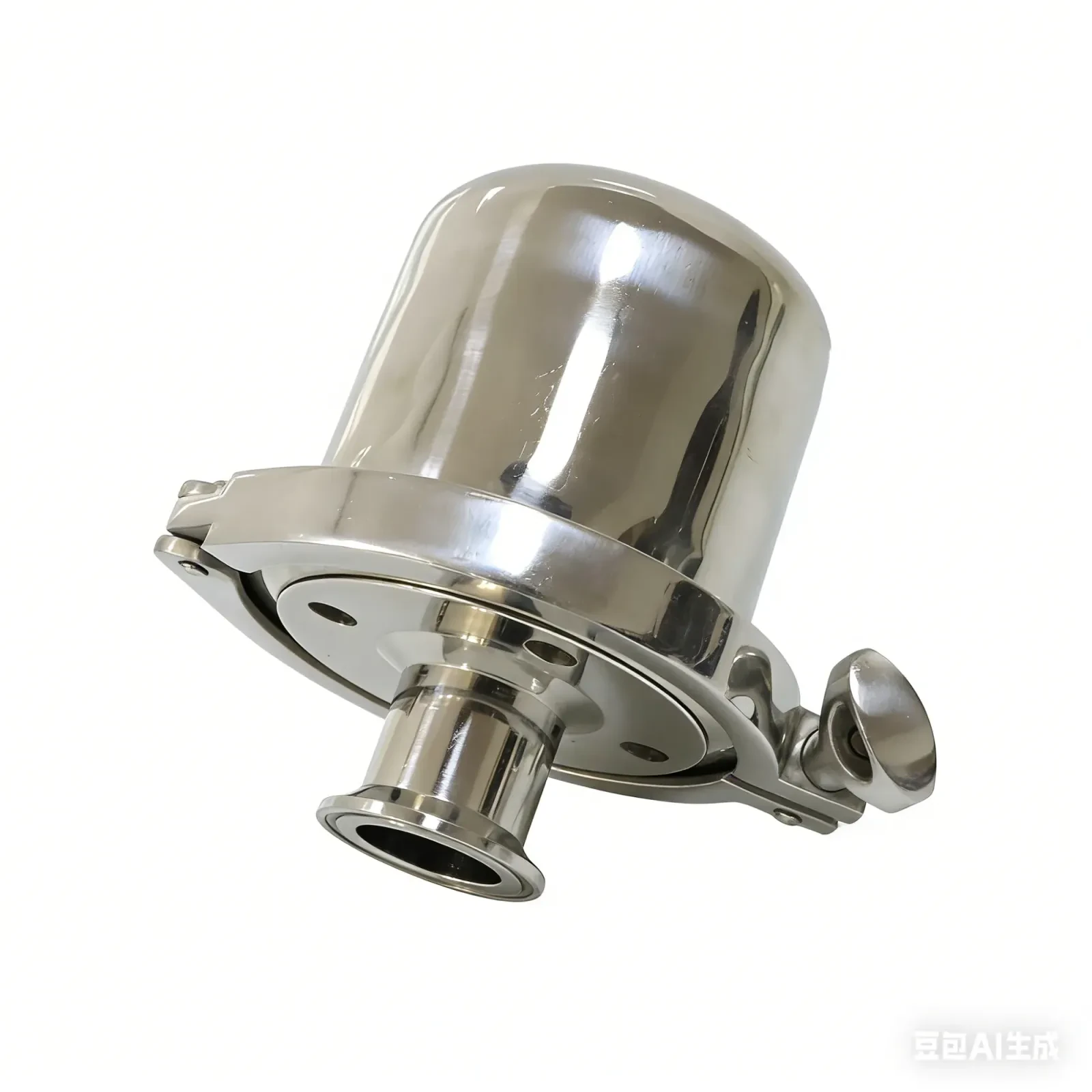
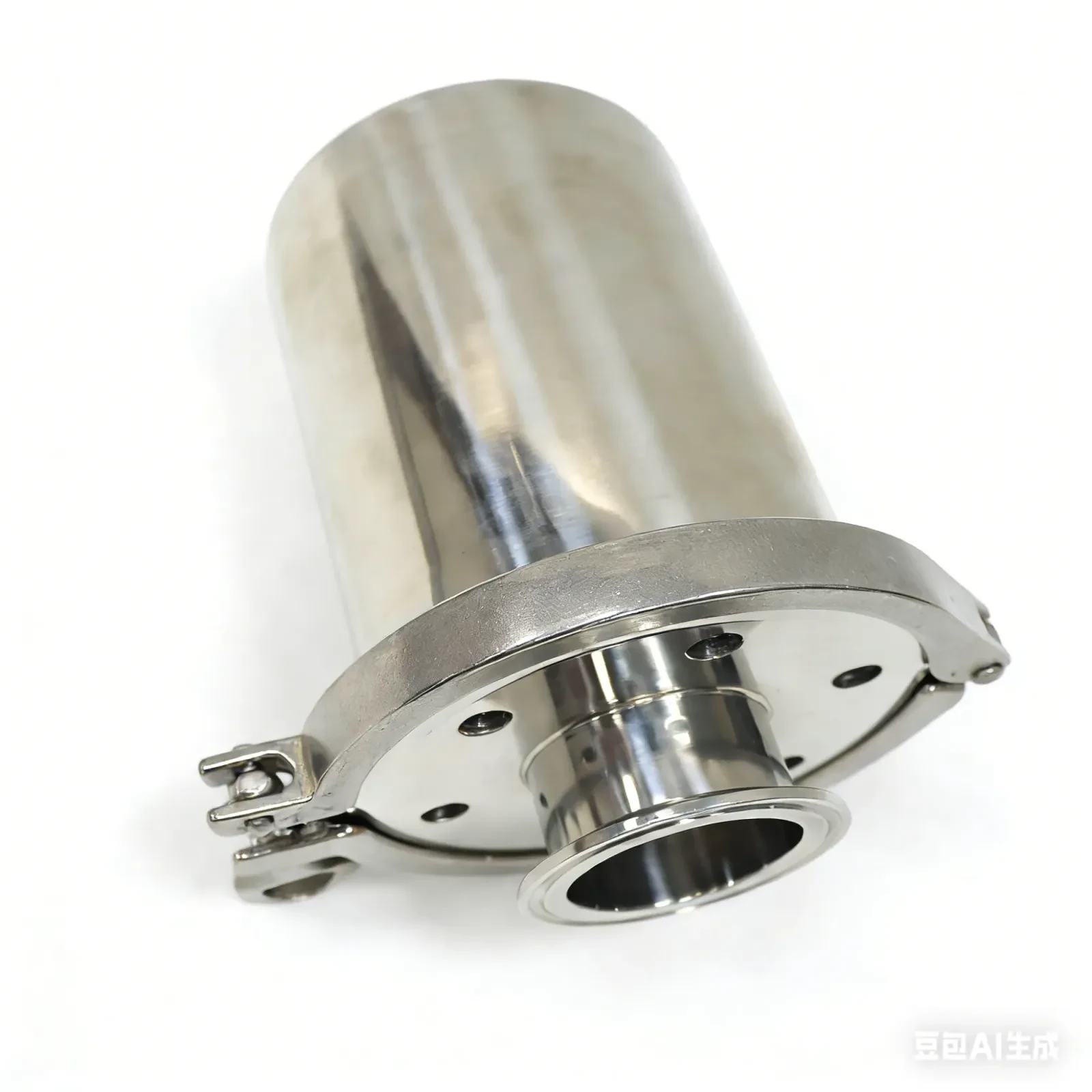
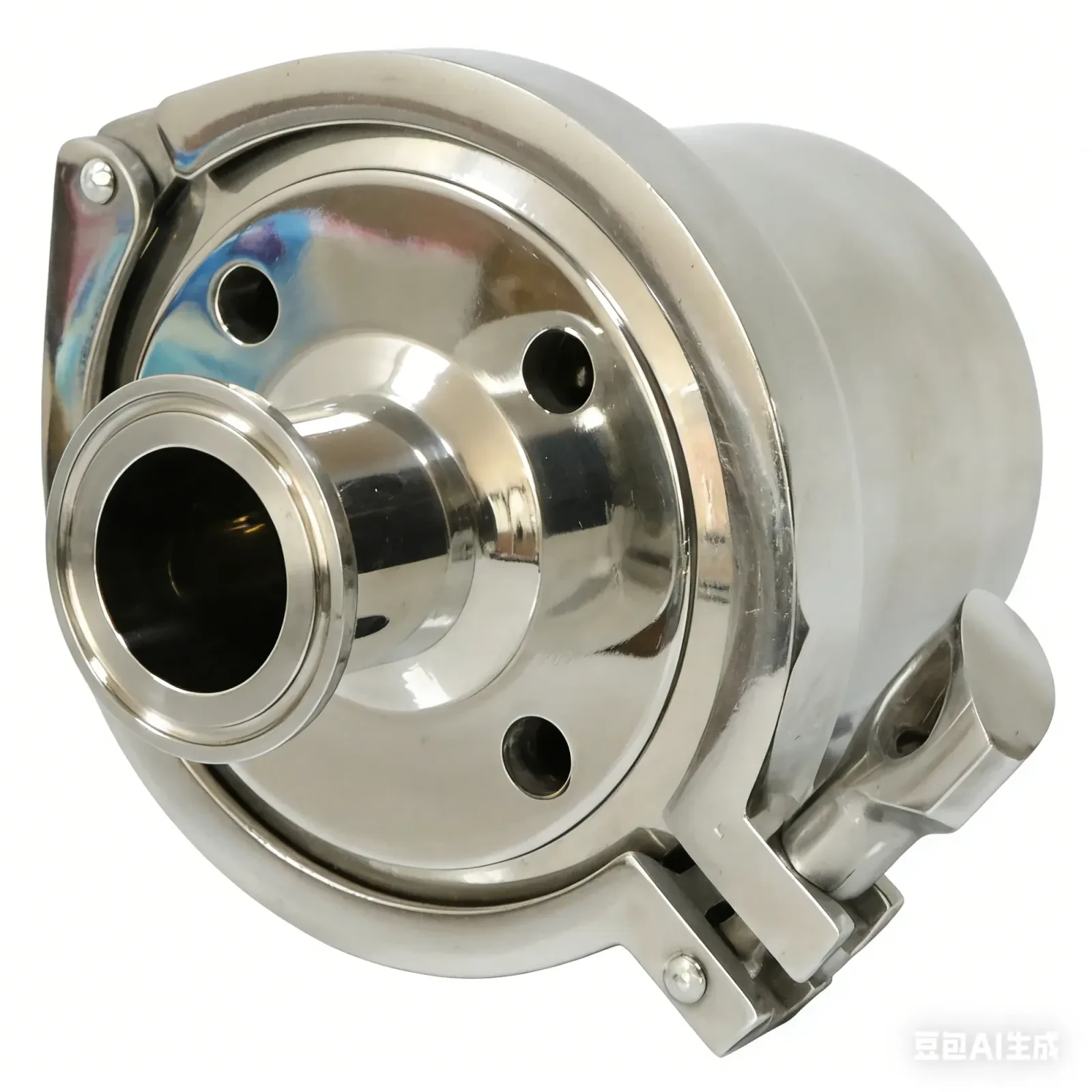
صمام تفريغ نجمي
صمام تغذیه وجرعات مسحوق صحي من الفولاذ المقاوم للصدأ بنمط Tri-Clamp
- العلامة التجارية
- JONENG
- الطراز
- JN- SDV 23 1001
- رقم القطعة
- LD-501968878
صمام التوزيع النجمي الصحي المصنوع من الفولاذ المقاوم للصدأ هو جهاز لجرعات المواد بدقة، وغالباً ما يُصنع من الفولاذ المقاوم للصدأ ويلبي المعايير الصحية. يُتركب صمام التوزيع النجمي الصحي عادةً عند طرف التغذية أو نقطة الجرعات في نظام نقل المواد، الواقع عند خط أنابيب مدخل المواد أو مخرج الصوامع، ويُستخدم لتوزيع مواد المسحوق أو الحبيبات أو السوائل بدقة.
الوصف
الغرض الرئيسي من تصميم صمام التوزيع النجمي الصحي المصنوع من الفولاذ المقاوم للصدأ هو تحقيق توزيع دقيق للمواد والتحكم فيها، وضمان تدفق المواد بسلاسة وثبات إلى النظام اللاحق. يُستخدم على نطاق واسع في الصناعات الغذائية والدوائية والكيماوية وغيرها، لا سيما في الأماكن ذات متطلبات النظافة العالية. وبفضل الدوار النجمي الدقيق وتصميم أحكام الإغلاق العالي، يتم تفادي تسرب المواد وتلوثها وهدرها لضمان الامتثال للمعايير الصحية. كما يحسن تصميمه كفاءة الإنتاج، ويقلل من احتباس المواد، ويتكيف مع احتياجات التوزيع لمختلف أنواع المواد.
المزيد في صمام تفريغ نجمي
منتجات ذات صلة
-
فيديو
-
-
 فيديو
فيديو
-
 فيديو
فيديو
-
 فيديو
فيديو
-
 فيديو
فيديو
-
 فيديو
فيديو
صمام قياس بخاخ مسحوق من الفولاذ المقاوم للصدأ
LD-549936838
-
 فيديو
فيديو
-
 فيديو
فيديو
-
-
-
- عرض كل صمام تفريغ نجمي