 English
 简体中文
简体中文
 Español
 Русский
 Français
 Português
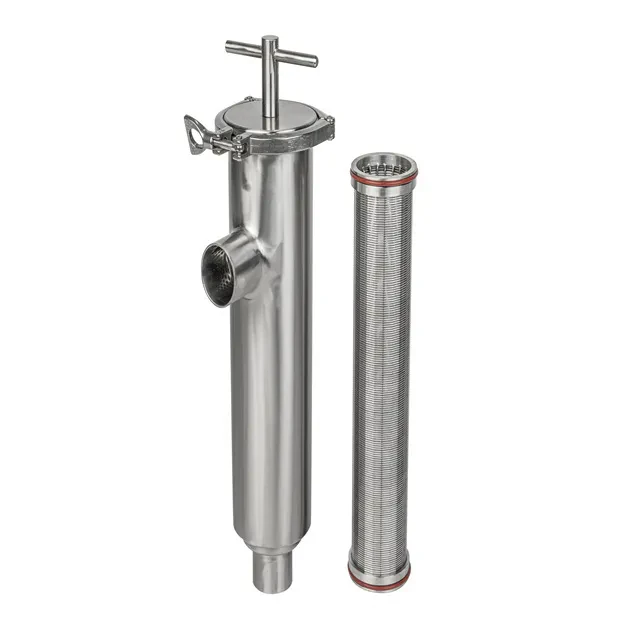
مصفاة بزاوية
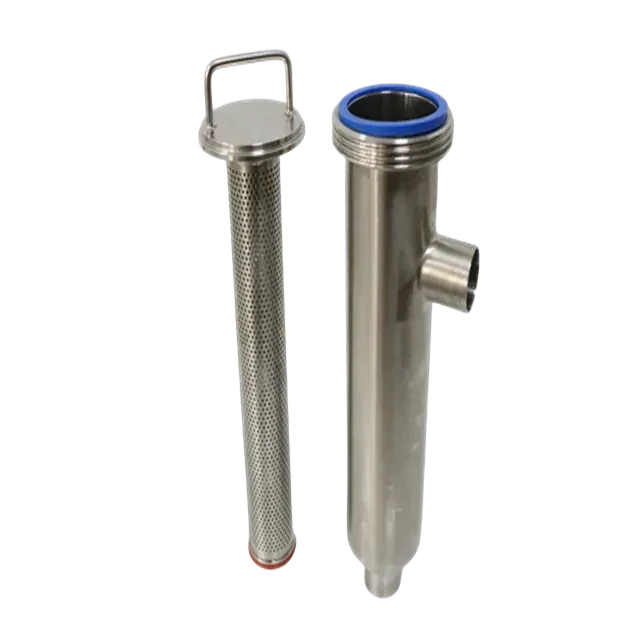
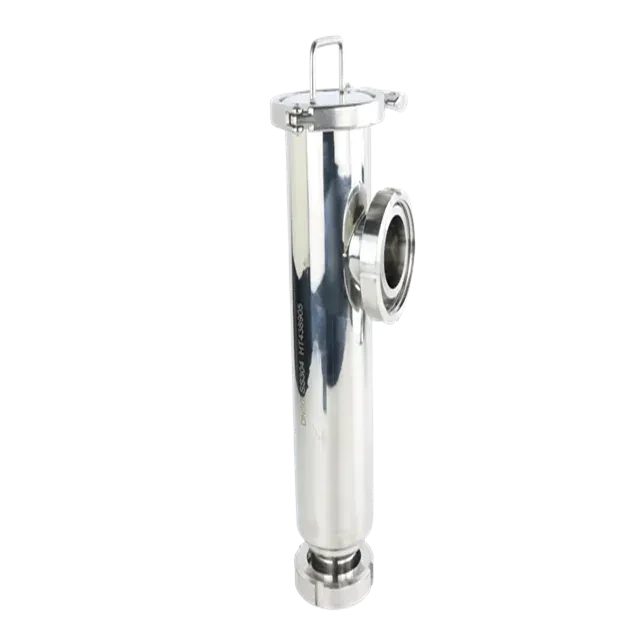
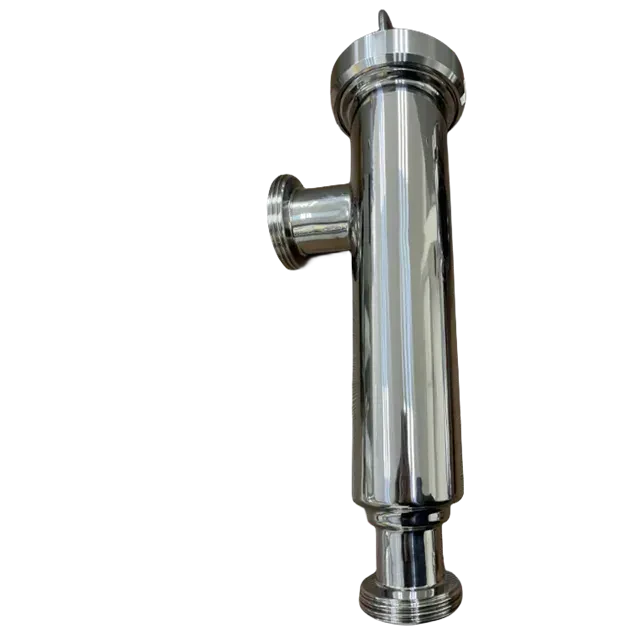
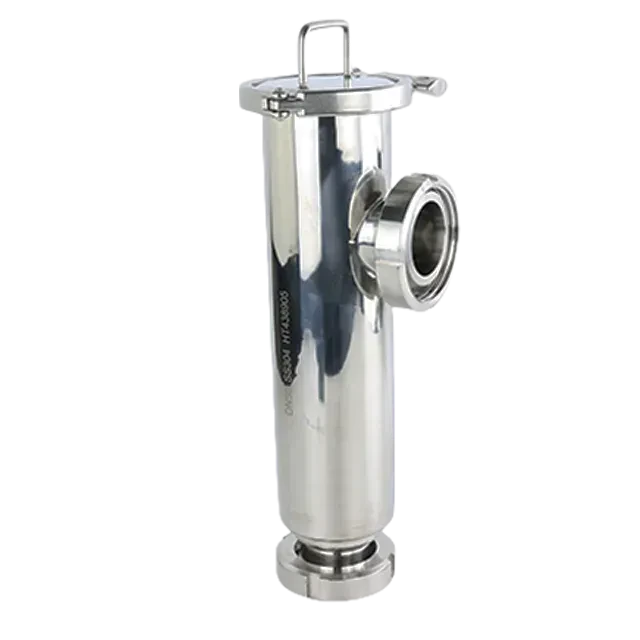
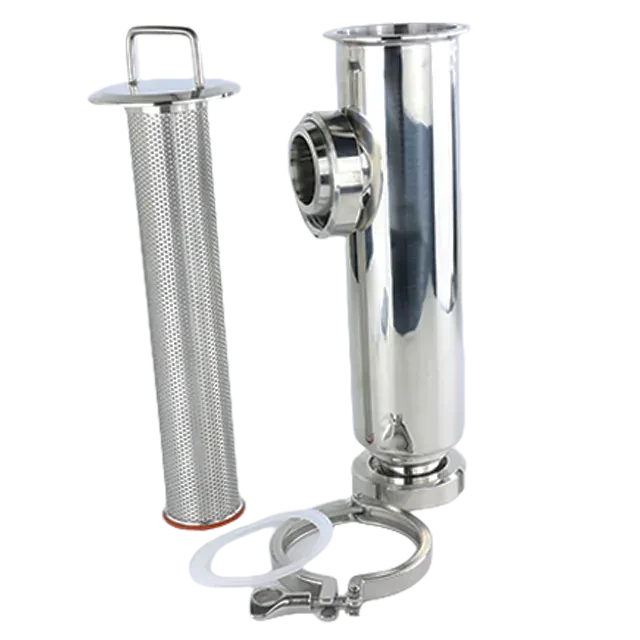
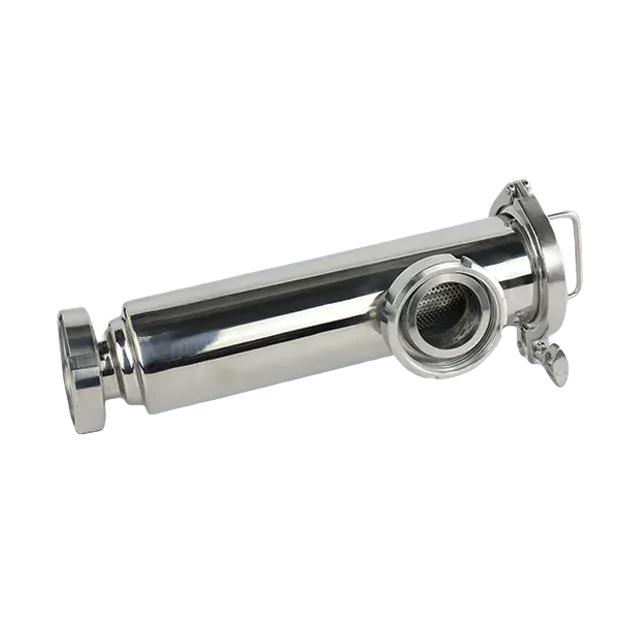
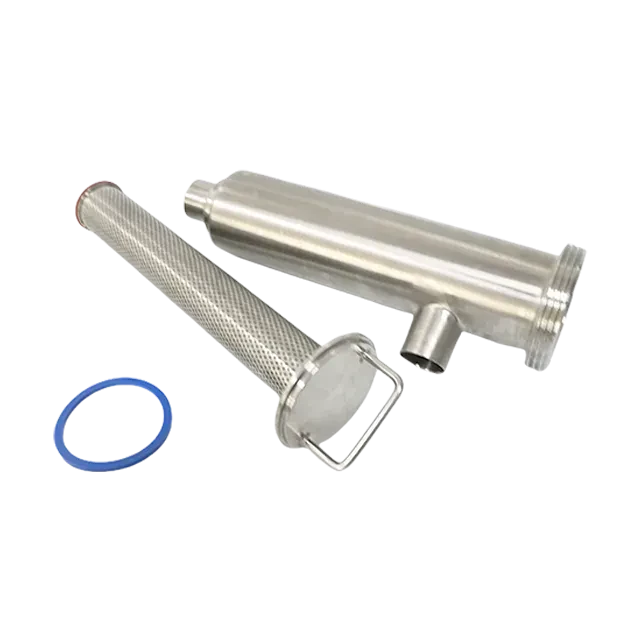
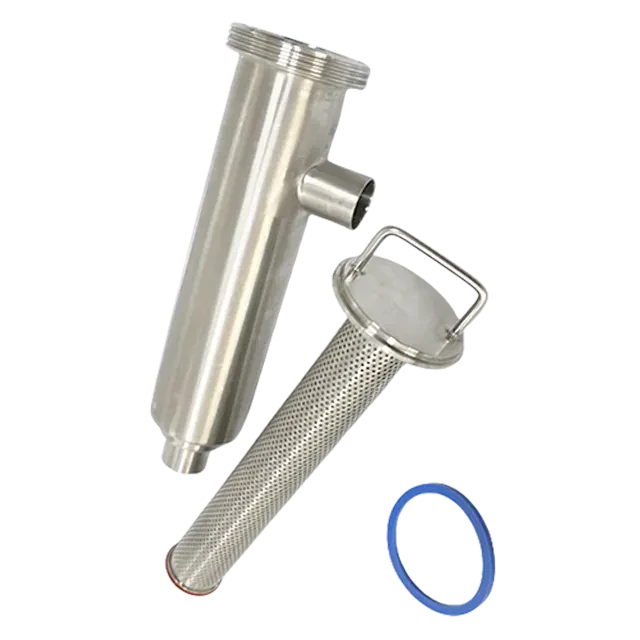
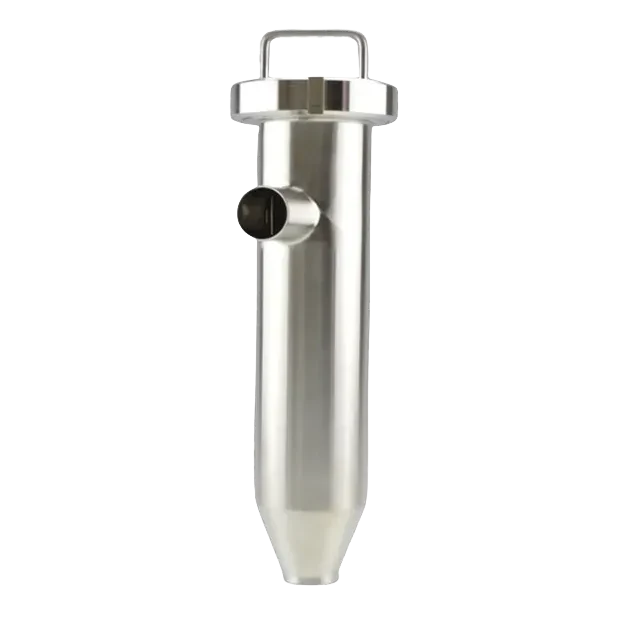
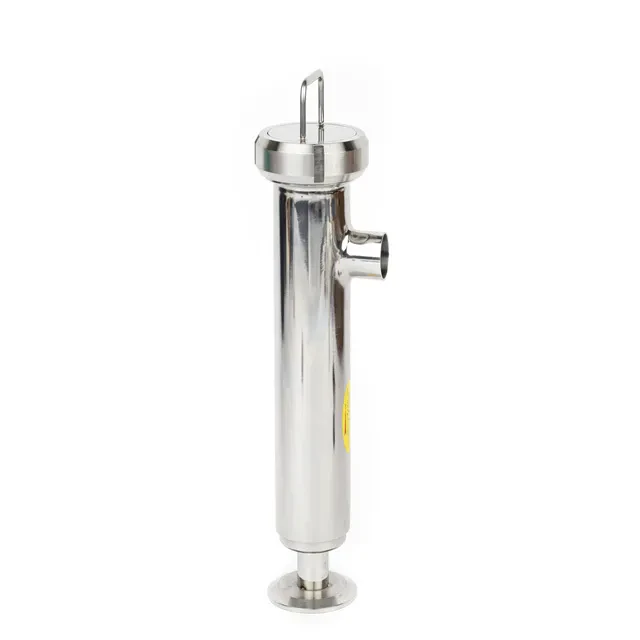
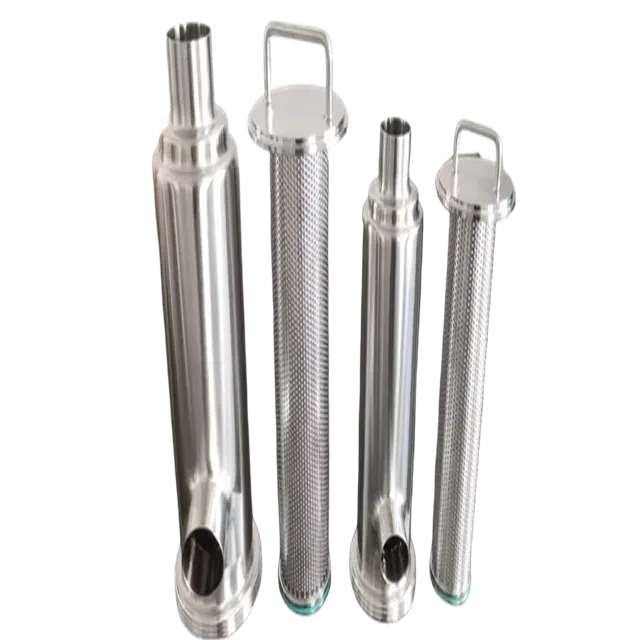
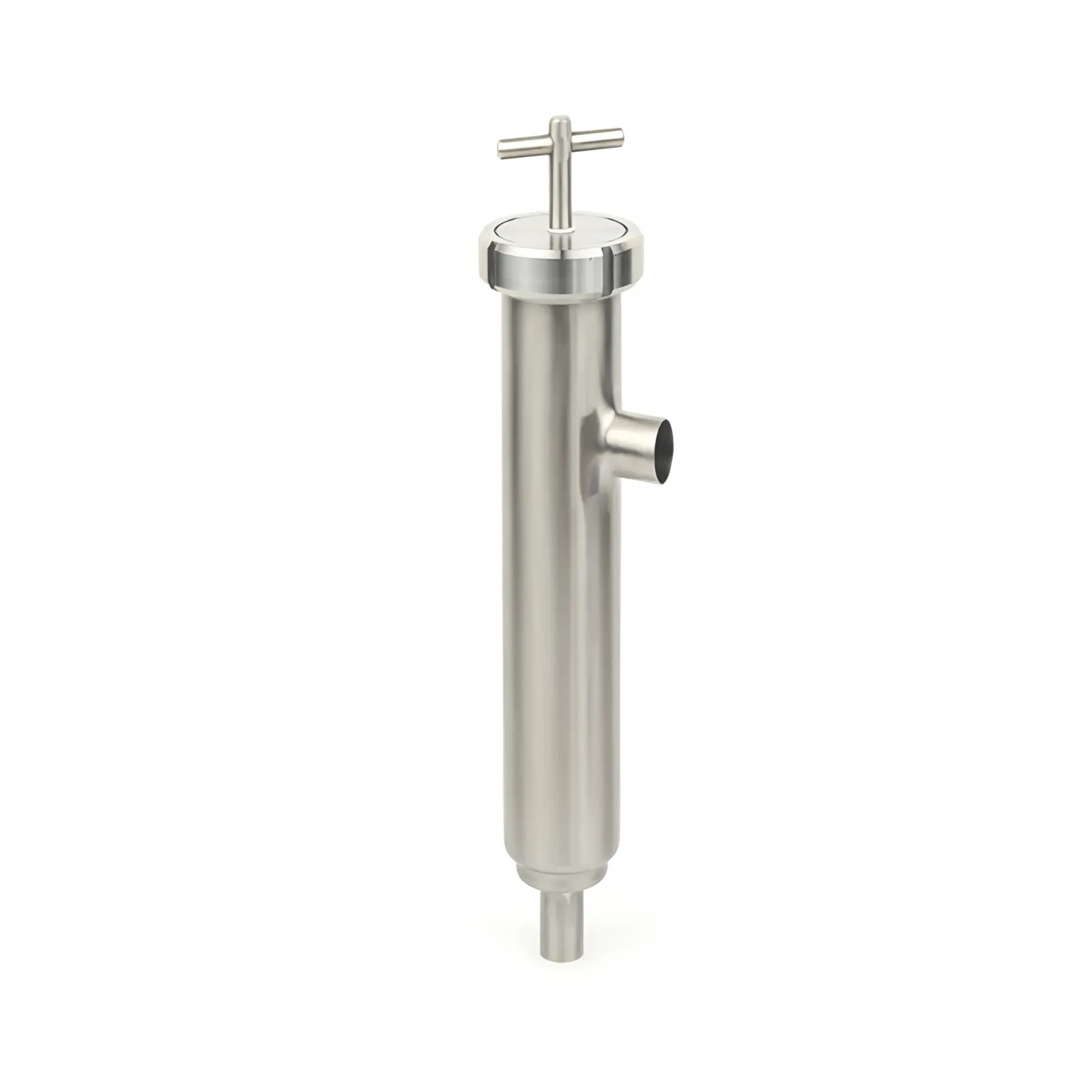
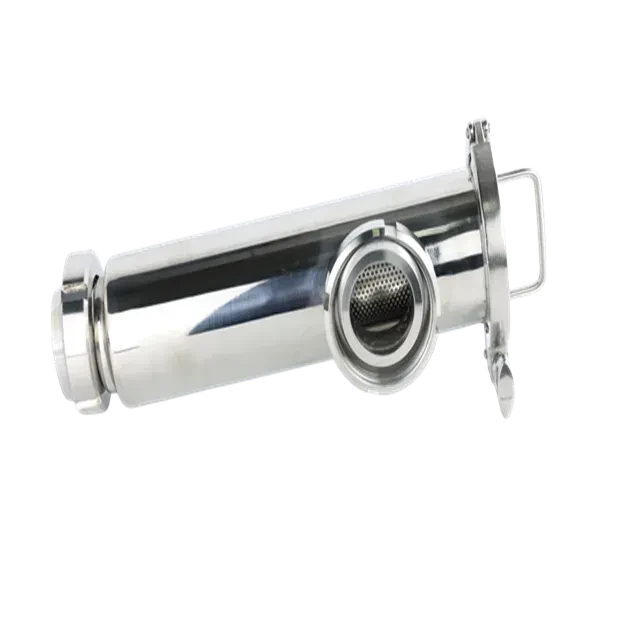
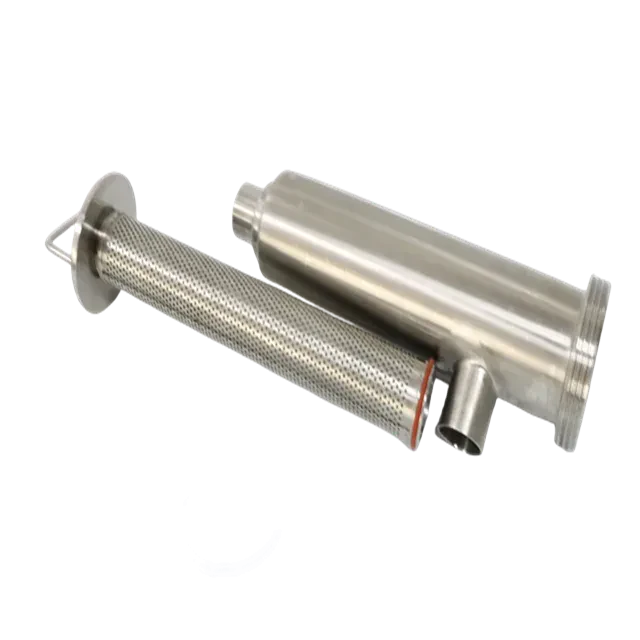
فلتر تخفيض بزاوية وصحي من الفولاذ المقاوم للصدأ للمشروبات
- العلامة التجارية
- JONENG
- الطراز
- JN-STZT-23 1007
- رقم القطعة
- LD-500310978
فلتر التخفيض بزاوية الصحي المصنوع من الفولاذ المقاوم للصدأ هو نوع من المعدات المصممة للصناعات ذات متطلبات النظافة العالية، وغالباً ما يُستخدم لفلترة السوائل أو الغازات. يُستخدم فلتر التخفيض بزاوية الصحي المصنوع من الفولاذ المقاوم للصدأ عادةً في أنظمة الأنابيب الصحية في صناعات الأغذية والمشروبات والأدوية وغيرها. يتركز موقع التركيب بشكل أساسي في قسم الأنابيب الذي يتطلب فلترة السوائل، وعادةً ما يتم تثبيته في الموقع الرئيسي لخط أنابيب التغذية أو التسليم.
الوصف
الغرض من تصميم فلتر التخفيض بزاوية الصحي المصنوع من الفولاذ المقاوم للصدأ هو تحسين المساحة وكفاءة تدفق السوائل إلى أقصى حد مع ضمان نظافة السائل. لا يمكن لهيكله الزاوي حل مشكلة التركيب في المساحات الضيقة فحسب، بل يتجنب أيضاً مشكلة معدل تدفق السوائل البطيء أو المقاومة المحلية المفرطة التي قد تسببها الفلاتر التقليدية. من خلال انتقال المخفض المصمم بذكاء، يمكن للفلتر توجيه السائل بسلاسة، وإزالة الشوائب من خلال الفلترة الدقيقة، وتجنب تلوث المعدات أو المنتجات النهائية بواسطة الجسيمات الدقيقة في النظام، وضمان استقرار عملية الإنتاج وسلامة المنتج النهائي، لا سيما في صناعات الأغذية والمشروبات والأدوية الصارمة.
المزيد في مصفاة بزاوية