 English
 简体中文
简体中文
 Español
 Русский
 Português
 العربية
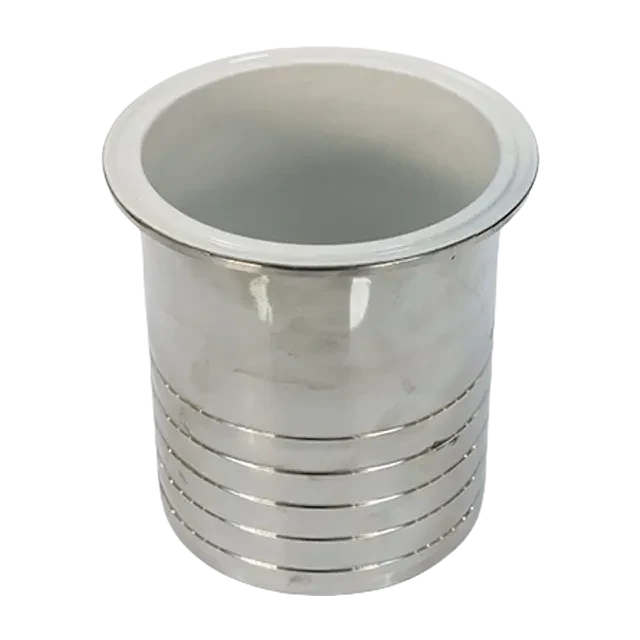
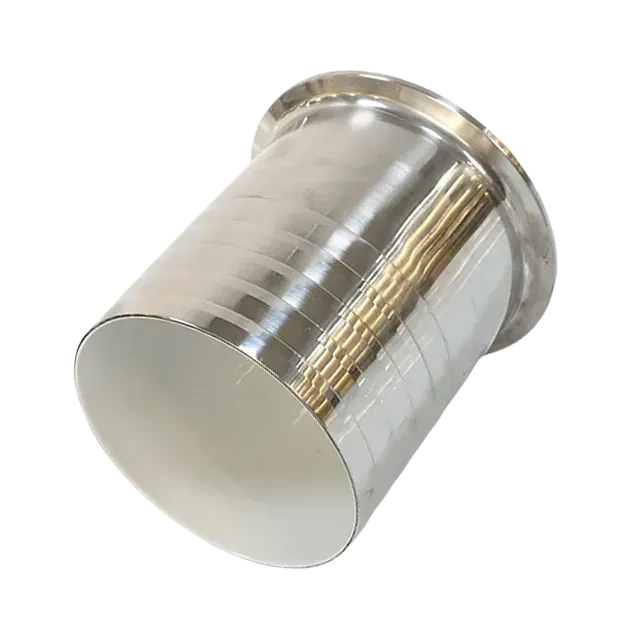
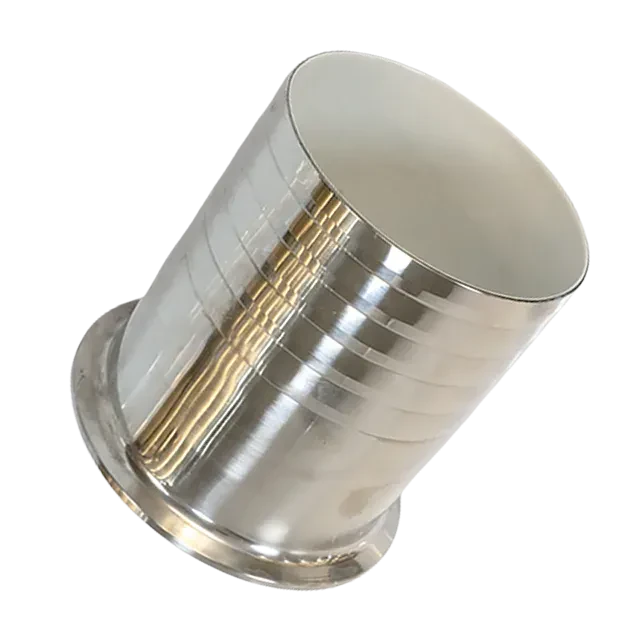
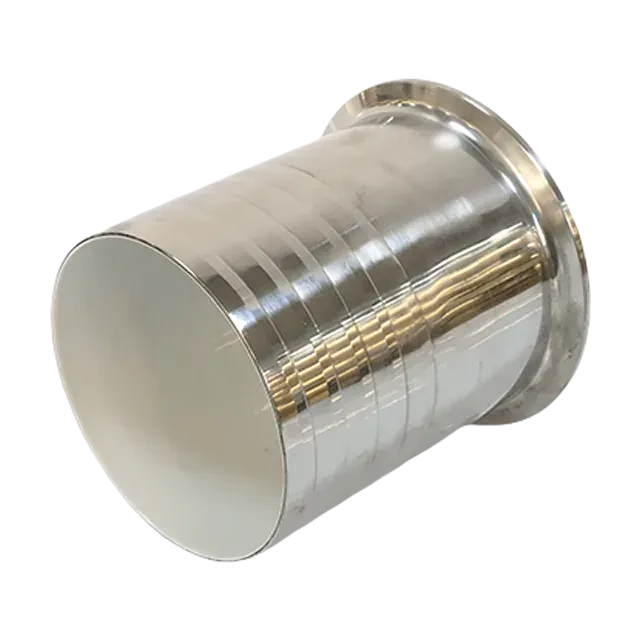
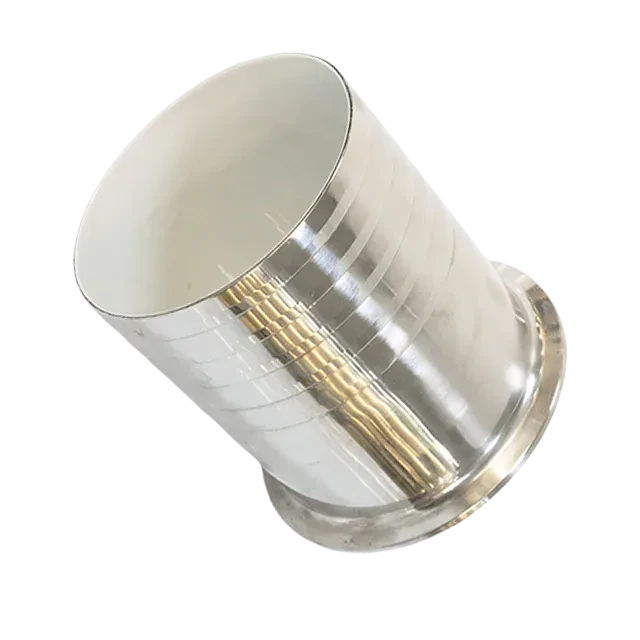
Embout porte-tuyau
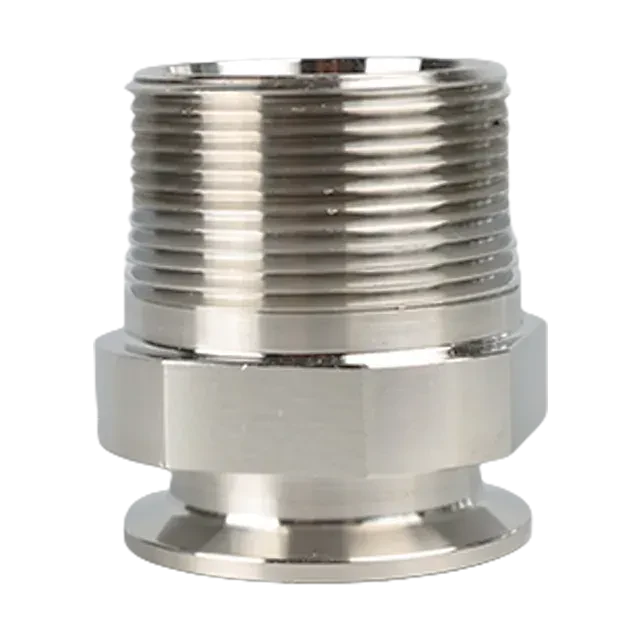
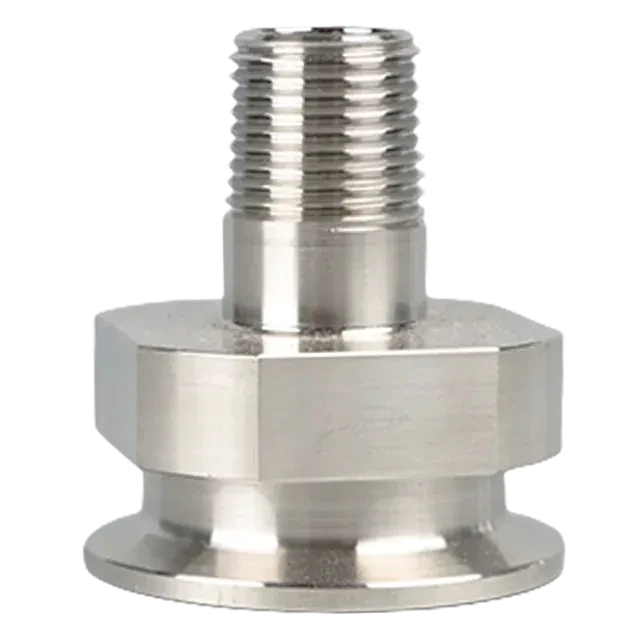
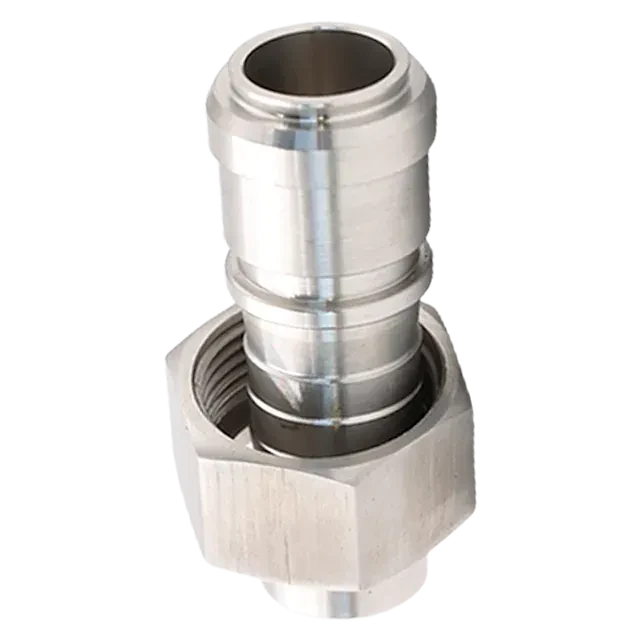
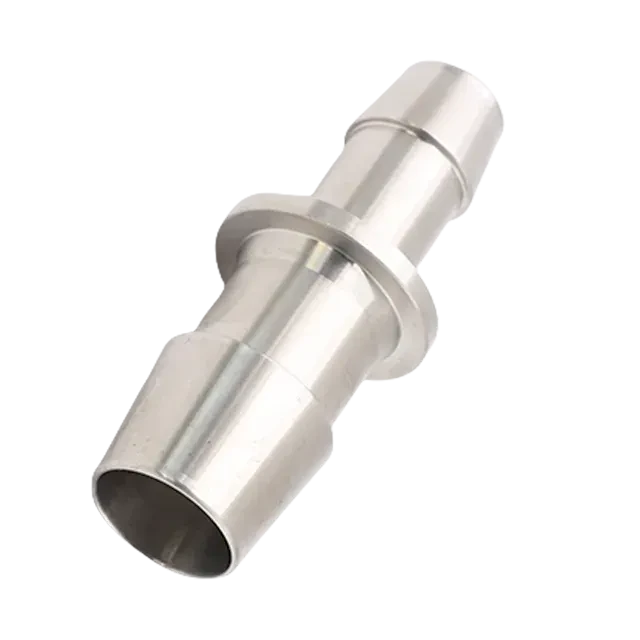
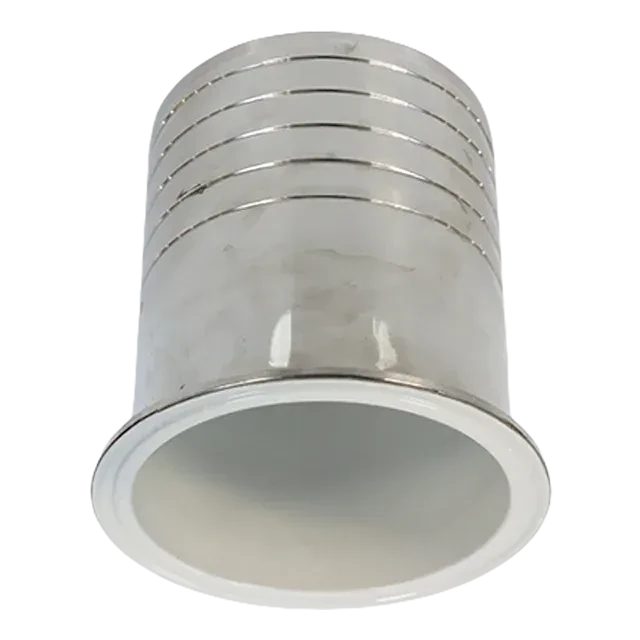
Raccord cannelé pour tuyau souple vers Tri-Clamp revêtu de PTFE en acier inoxydable sanitaire de qualité alimentaire
- Marque
- JONENG
- Modèle
- JN-FL 23 2008
- Référence
- LD-520960968
Un joint en caoutchouc, également appelé joint de dilatation ou raccord flexible, est un type de dispositif mécanique conçu pour absorber et compenser les mouvements et les vibrations dans les systèmes de tuyauterie, les machines ou d'autres applications nécessitant de la flexibilité. Ces joints jouent un rôle crucial dans la prévention des contraintes, des désalignements et des dommages aux composants connectés.
Description
Raccord cannelé pour tuyau souple vers Tri-Clamp en acier inoxydable sanitaire de qualité alimentaire
Le composant principal d'un joint en caoutchouc est le caoutchouc lui-même. Divers types de mélanges de caoutchouc peuvent être utilisés, tels que l'EPDM (monomère d'éthylène-propylène-diène), le néoprène, le caoutchouc naturel ou d'autres matériaux en caoutchouc synthétique. Le caoutchouc offre de la flexibilité, de la résilience et la capacité d'absorber les mouvements et les vibrations. Le soufflet ou élément flexible est la structure en accordéon qui permet au joint en caoutchouc de fléchir et d'absorber les mouvements dans plusieurs directions. Les brides et les raccords d'extrémité facilitent la fixation du joint aux autres composants du système de tuyauterie. Les brides sont généralement en métal et sont soit collées, soit boulonnées au joint en caoutchouc.
La fonction principale d'un joint en caoutchouc est d'absorber les mouvements et les vibrations dans un système. Le soufflet flexible ou la structure en accordéon du joint en caoutchouc lui permet de se dilater, de se contracter et de se plier dans plusieurs directions, compensant ainsi les mouvements axiaux, latéraux et angulaires.
Lorsque les tuyaux ou les composants d'un système subissent une dilatation ou une contraction thermique, la flexibilité axiale du joint en caoutchouc lui permet de s'allonger ou de se comprimer en conséquence, évitant ainsi des contraintes excessives sur les composants connectés. Les joints en caoutchouc peuvent également compenser les mouvements latéraux, les mouvements angulaires, ainsi que la dilatation et la contraction thermiques.
Plus dans Embout porte-tuyau