
 English
 Español
 Русский
 Français
 Português
 العربية
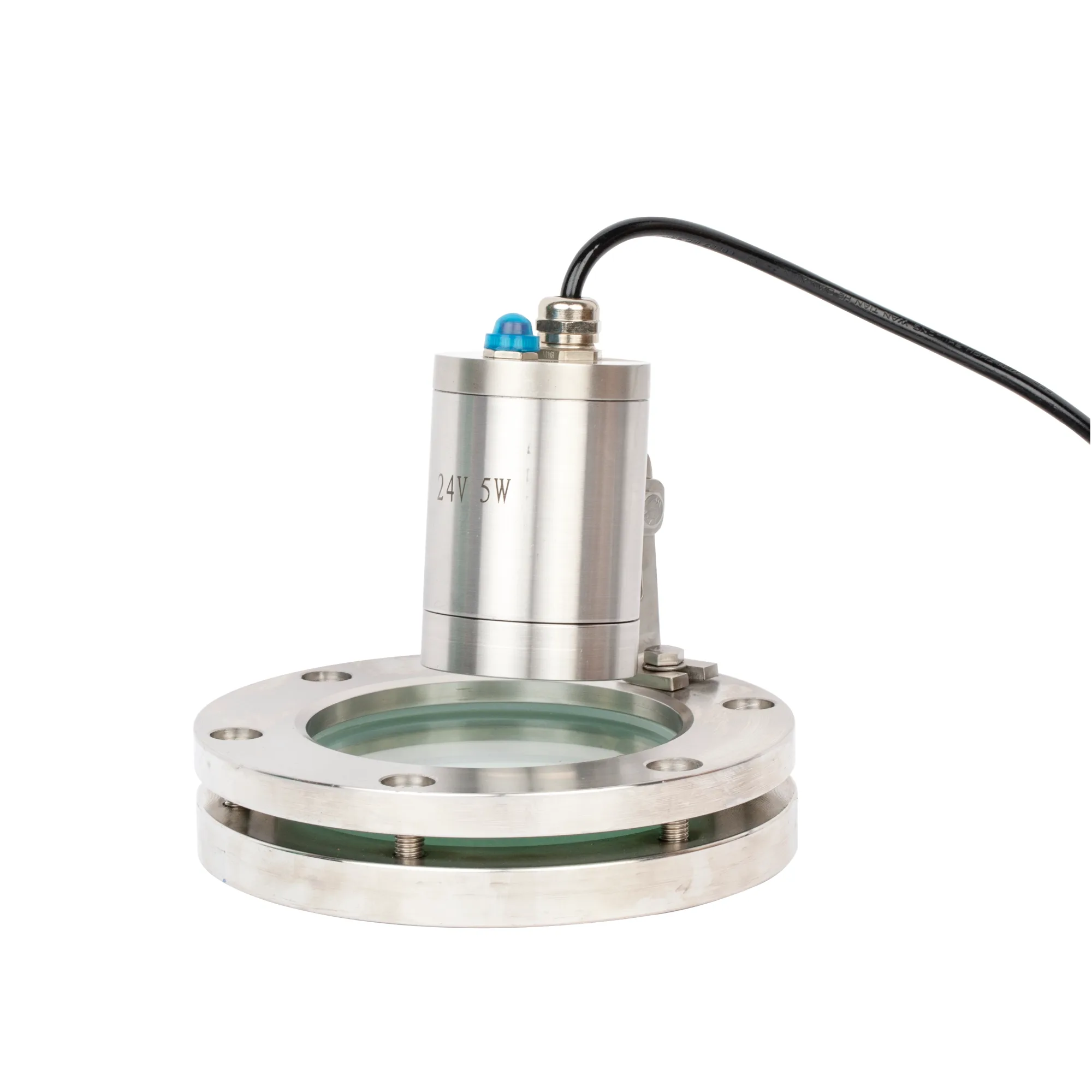
The maintenance of sanitary sight glasses used in food processing hinges on ensuring a clear view, a reliable seal, and the absence of sanitary dead zones. This is not only essential for production safety but also directly impacts the quality of the final product.
Specific maintenance tasks can be approached from the following aspects:
Daily Cleaning: Maintaining Visibility and Hygiene
This is the most fundamental and frequent task; the key lies in using the appropriate cleaning agents and tools.
Cleaning Tools and Methods:
Routine Cleaning: Gently wipe the sight glass surface with an alcohol-soaked cloth or pad. For stubborn stains, use a soft, non-metallic brush, sponge, or pad to avoid scratching the polished surface.
Cleaning-in-Place (CIP): Modern food processing plants commonly employ CIP systems, which use high-temperature, high-pressure water or steam to flush the sight glass, ensuring thorough cleaning of both interior and exterior surfaces without leaving dead zones.
Cleaning Agent Restrictions: The use of acidic or corrosive cleaning agents is strictly prohibited; these substances can corrode the glass surface, causing cloudiness or even creating safety hazards.
Regular Inspections: Preventive Maintenance
In addition to daily cleaning, regular, comprehensive inspections are crucial for identifying and eliminating potential issues early.
Inspect the Sight Glass: The sight glass is a component prone to wear; regularly check for cracks, corrosion, or cloudiness. Replace it immediately if any damage is detected.
Check the Seal: Periodically inspect the gasket for signs of aging, deformation, or leakage. Any leakage can become a breeding ground for microorganisms.
Check Connections: Ensure that all connecting components—such as clamps and bolts—are secure and in good condition. For instance, apply appropriate torque to quick-release clamps; excessive looseness or tightness can lead to leaks or damage.
Se al Replacement: Ensuring Long-Term Sealing Reliability
Seals are a vulnerable component of sanitary sight glasses and require proactive, periodic replacement.
Replacement Frequency: The frequency of gasket replacement depends on the material, operating conditions, and the frequency of CIP (Clean-in-Place) cycles. Generally, replacement at least once a year is recommended.
Timing of Replacement: New gaskets should be installed after every disassembly for maintenance to ensure optimal sealing performance.
Installation and Removal: Proper Handling to Prevent Damage
Improper installation is a primary cause of sight glass damage.
Handle with Care: The glass window is fragile; exercise caution during installation and removal.
Apply Force Evenly: When tightening bolts or clamps, tighten them evenly in a diagonal sequence to prevent glass breakage caused by uneven stress.
Safety First: Before disassembly, relieve pipeline pressure and lock out relevant equipment to prevent accidents caused by accidental activation.
Compatibility with Special Processes: CIP and SIP
For production processes requiring sterility or high levels of cleanliness, sight glasses must be compatible with rigorous cleaning and sterilization procedures.
CIP (Clean-in-Place): The sight glass design should support CIP processes, ensuring there are no cleaning dead zones.
SIP (Sterilize-in-Place): For sterile production environments, the sight glass must also withstand the high-temperature steam used in SIP processes to eliminate all microorganisms.
Summary
In summary, the maintenance of sanitary sight glasses used in food processing can be outlined as a closed-loop process:
Proper installation → Routine gentle cleaning (CIP) → Periodic professional inspection → Proactive seal replacement → Safe disassembly
Furthermore, to ensure complete reliability, it is recommended to establish maintenance records for each sight glass—documenting every inspection, cleaning, repair, and replacement—to enable traceability. Additionally, always use manufacturer-certified genuine parts for replacements to ensure overall performance and adherence to hygiene standards.
继续阅读
-
- Fittings and clamps
不锈钢阀门和管件为什么还会生锈?不锈钢不是“不会锈”吗?
-
- Fittings and clamps
NPT 与 BSP 管螺纹尺寸的关键区别
-
- Fittings and clamps
疏水阀:高纯蒸汽管道系统的关键部件
-
- Fittings and clamps
什么是不锈钢弯头?