
 English
 简体中文
简体中文
 Español
 Русский
 Português
 العربية
Blogs
How this equipment behaves, and why
Seat materials, surface finishes, cleaning regimes and the failures that follow from getting them wrong — written by the people who answer the phone when one of them fails.
-
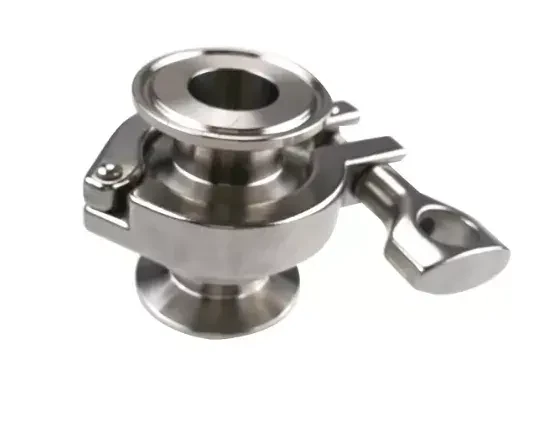
- Check valves
- 8 min de lecture
What Is The Difference between A Backflow And A Check Valve?
Backflow can lead to serious contamination of clean water supplies, posing health risks to communities. With the rising importance of water safety, understanding the devices that prevent backflow is crucial.
-
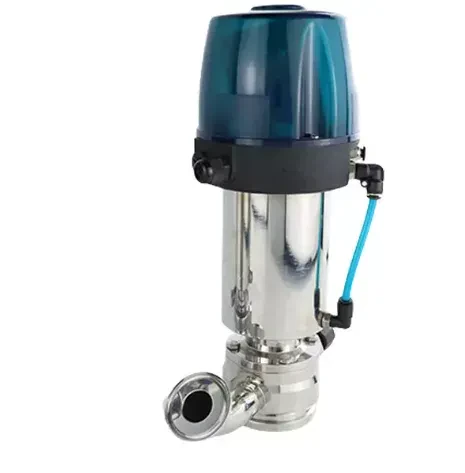
- Directional and tank bottom valves
- 8 min de lecture
What Is The Purpose of A Tank Bottom Valve?
Tank bottom valves play a vital role in industrial tanks, ensuring smooth drainage and filling processes. These valves are designed for hygienic control, preventing contamination during the draining and cleaning of tanks.
-
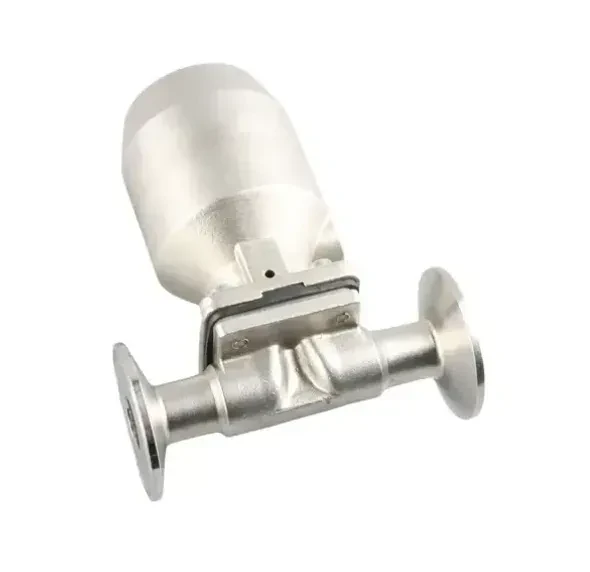
- Diaphragm valves
- 9 min de lecture
A Comprehensive Guide To Diaphragm Valves: The Advantages of Stainless Steel Valves
In fluid control systems, selecting the right valve is crucial for ensuring efficiency, durability, and precision. Among the many valve types available, Diaphragm Valves have gained popularity due to their excellent sealing capabilities, sanitary design, and ability to handle corrosive fluids.
-
- Butterfly valves
- 7 min de lecture
The Ultimate Guide To Butterfly Valves: Why Stainless Steel Valves Are The Best Choice
When it comes to fluid control solutions, Butterfly Valves stand out as one of the most efficient and cost-effective options. These valves are widely used across industries such as food and beverage, pharmaceuticals, chemical processing, and water treatment.
-
- Ball valves
- 7 min de lecture
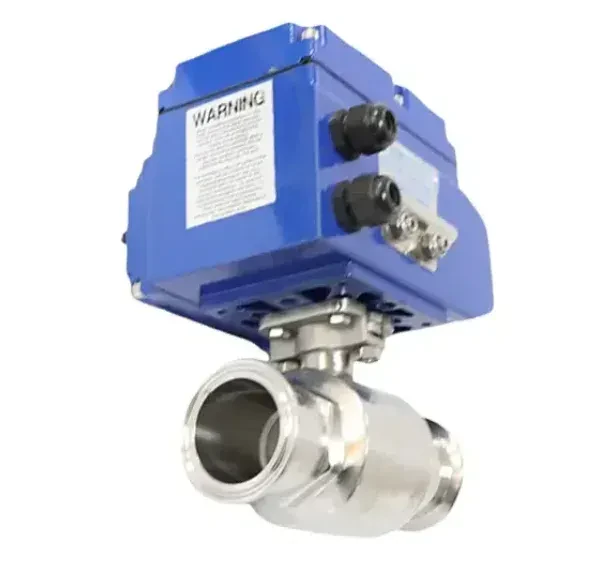
A Comprehensive Guide To Ball Valves: Why Stainless Steel Valves Are The Best Choice
In industrial fluid control, Ball Valves are one of the most popular and reliable valve types. Their ability to provide a tight seal, durability, and easy operation makes them ideal for a wide range of applications.
-
- Directional and tank bottom valves
- 3 min de lecture
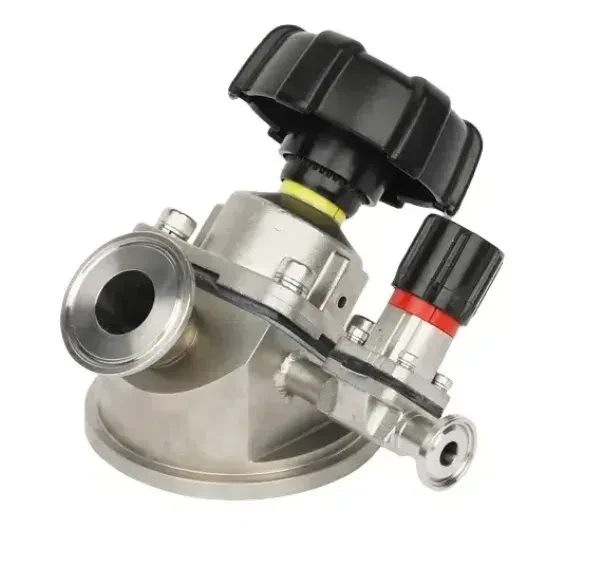
Stainless Steel Valves: A Vital Component for Tank Bottom Valves
In the world of industrial valves, stainless steel has proven to be one of the most reliable and durable materials for manufacturing valves. Among the various types of valves, the tank bottom valve stands out due to its critical role in fluid control and tank management systems.
-
- Check valves
- 6 min de lecture
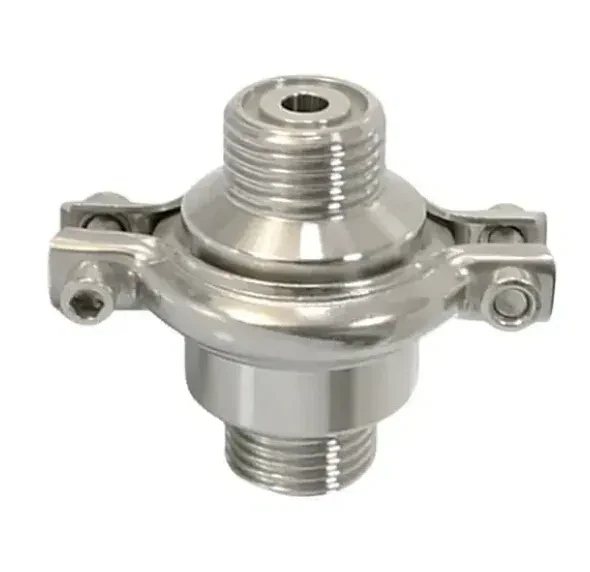
Stainless Steel Valves: The Key To Reliable Check Valves for Industrial Applications
In the world of fluid control, valves are essential components that regulate, direct, or control the flow of liquids and gases. Among the various types of valves used in industrial applications, the check valve stands out as one of the most crucial devices.
-
- Check valves
- 6 min de lecture
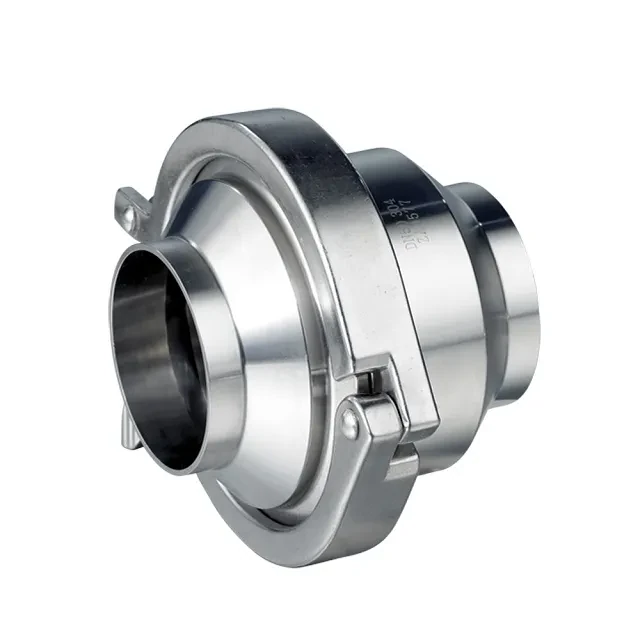
When Should I Use A Check Valve?
Check valves are indispensable components in fluid systems, playing a crucial role in controlling the flow direction of liquids and gases. Their primary purpose is to prevent backflow, which could cause damage, contamination, or inefficiency.
-
- Check valves
- 6 min de lecture
What Is The Difference between Control Valve And Check Valve?
In industrial fluid systems, valves are essential components that control the flow of liquids, gases, and other media. Two of the most commonly used valves are check valves and control valves.