
 简体中文
简体中文
 Español
 Русский
 Français
 Português
 العربية
Blogs
How this equipment behaves, and why
Seat materials, surface finishes, cleaning regimes and the failures that follow from getting them wrong — written by the people who answer the phone when one of them fails.
-
- Fittings and clamps
- 3 min read
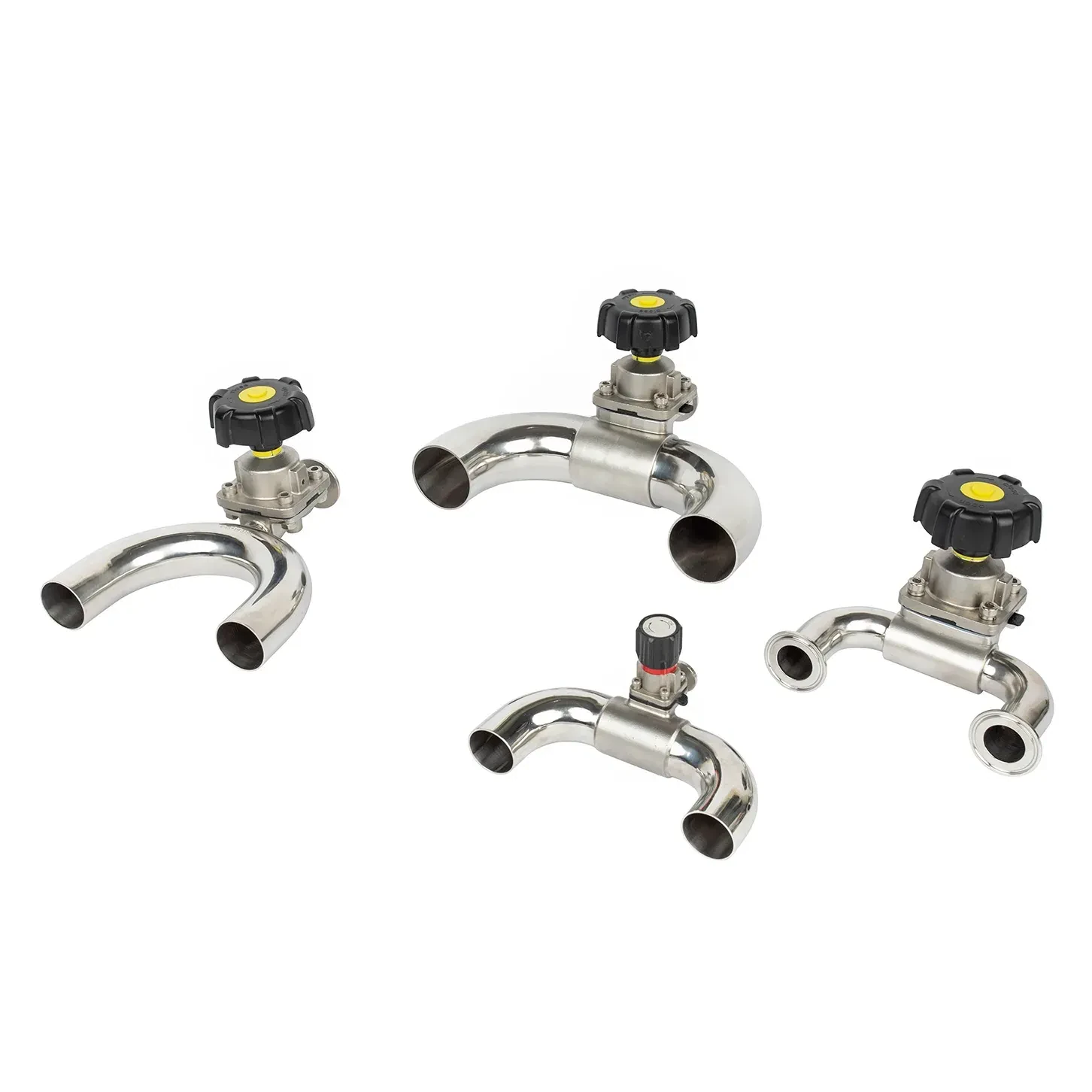
Why do stainless steel valves and pipe fittings still rust? Isn't stainless steel supposed to be "rust-proof"?
The short answer: Stainless steel relies on an extremely thin "chromium oxide film" (passivation layer) on its surface to prevent rust.
-
- Materials
- 2 min read
EPDM or PTFE: which seat survives your CIP
Most seat failures on a sanitary line are not wear. They are the wrong elastomer meeting a cleaning regime nobody described when the valve was bought.
-
- Fittings and clamps
- 3 min read
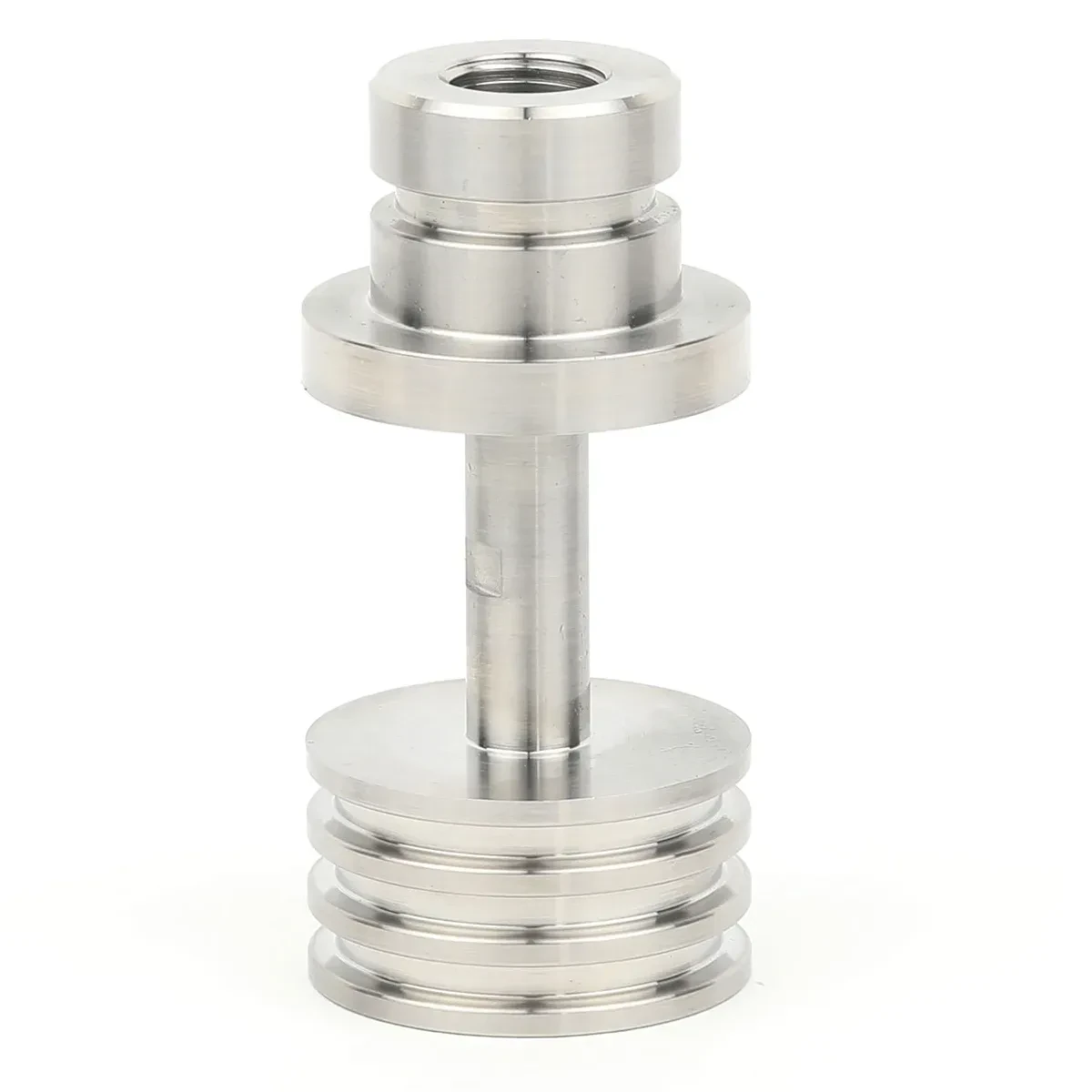
Key Differences Between NPT and BSP Pipe Fitting Dimensions
In brief: Both NPT and BSP are pipe-thread standards, but they use different thread angles. NPT is a U.S. 60° tapered pipe thread, while BSP is a British 55° pipe thread. BSP is further divided into tapered threads (BSPT) and parallel/straight threads (BSPP).
-
- Fittings and clamps
- 4 min read
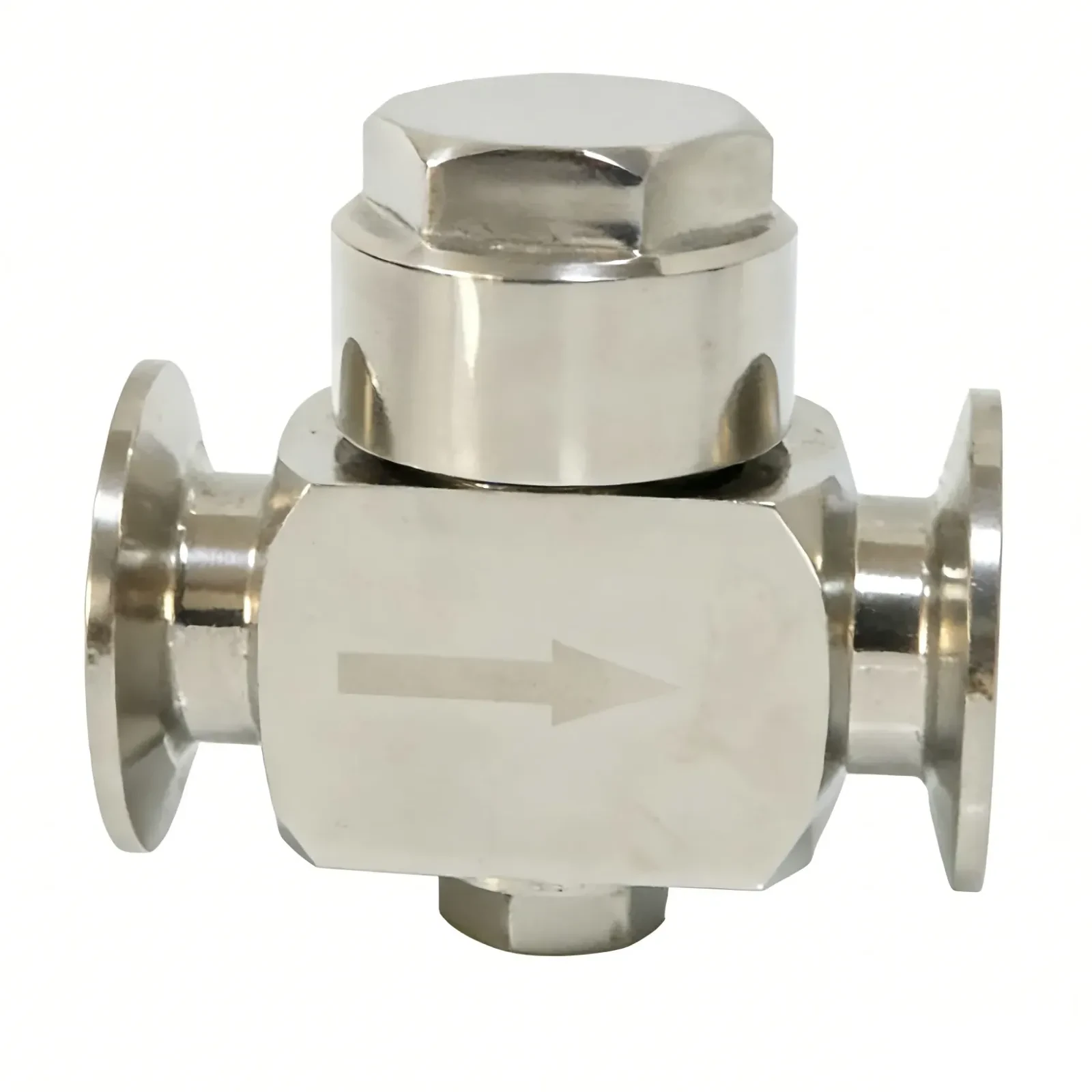
Steam Traps: Key Components for High-Purity Steam Piping Systems
In steam piping systems subject to stringent cleanliness standards, steam undergoes a phase change to form condensate after heat exchange. Air and non-condensable gases are also introduced during system startup, shutdown, and continuous operation.
-
- Ball valves
- 5 min read
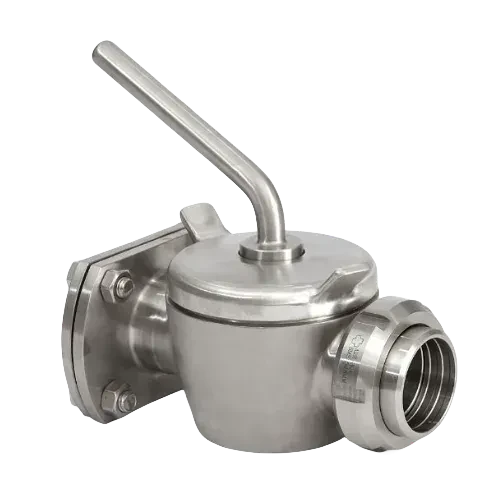
Differences Between Ball Valves And Plug Valves
Both ball valves and plug valves are 90-degree rotary valves that control pipeline flow by rotating the valve core; they share similar opening and closing mechanisms and are often confused during the selection process.
-
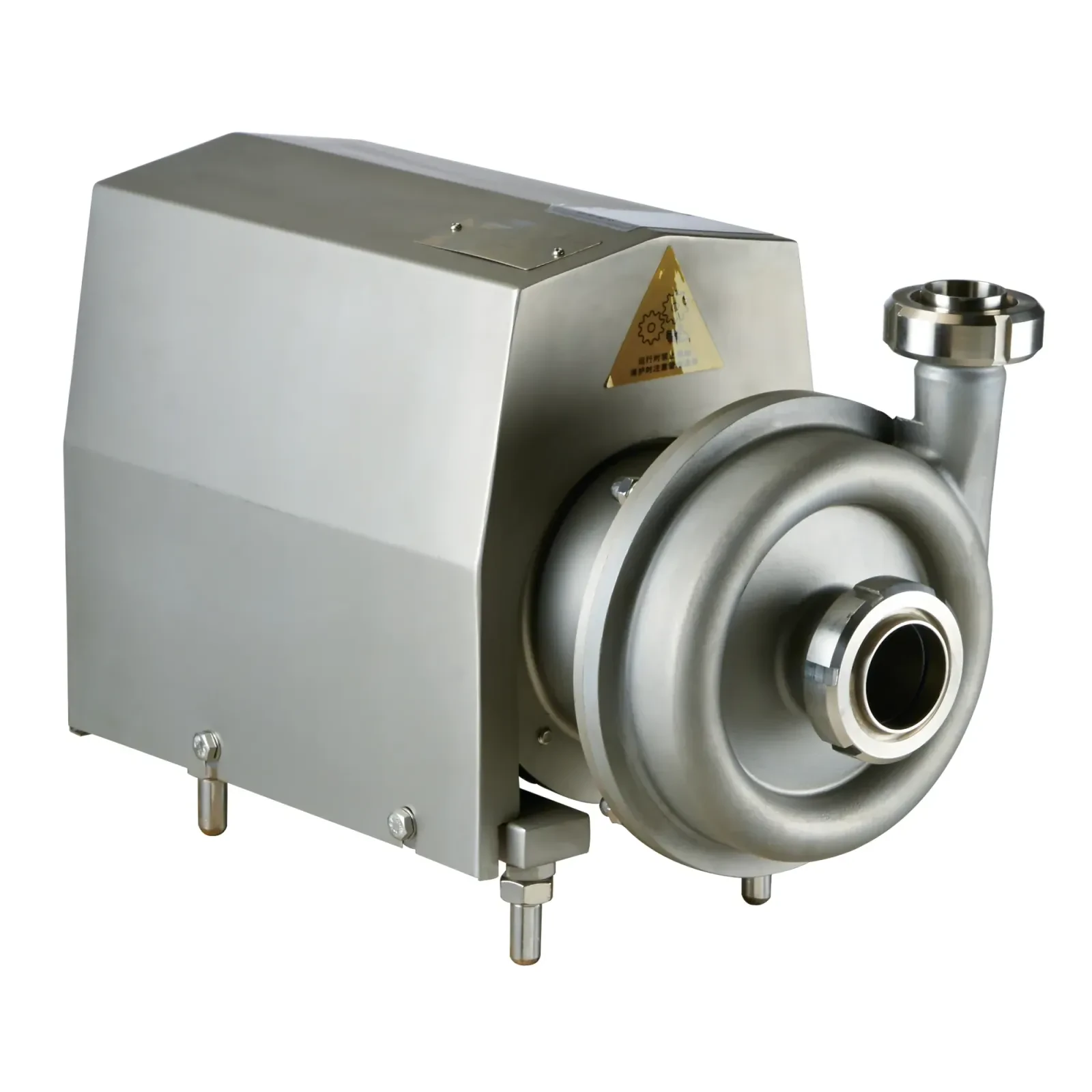
- Pumps
- 4 min read
Working Principle of Centrifugal Pumps?
Centrifugal pumps are widely used as fluid transport equipment in piping systems for transferring process fluids in the pharmaceutical, food, and beverage industries.
-
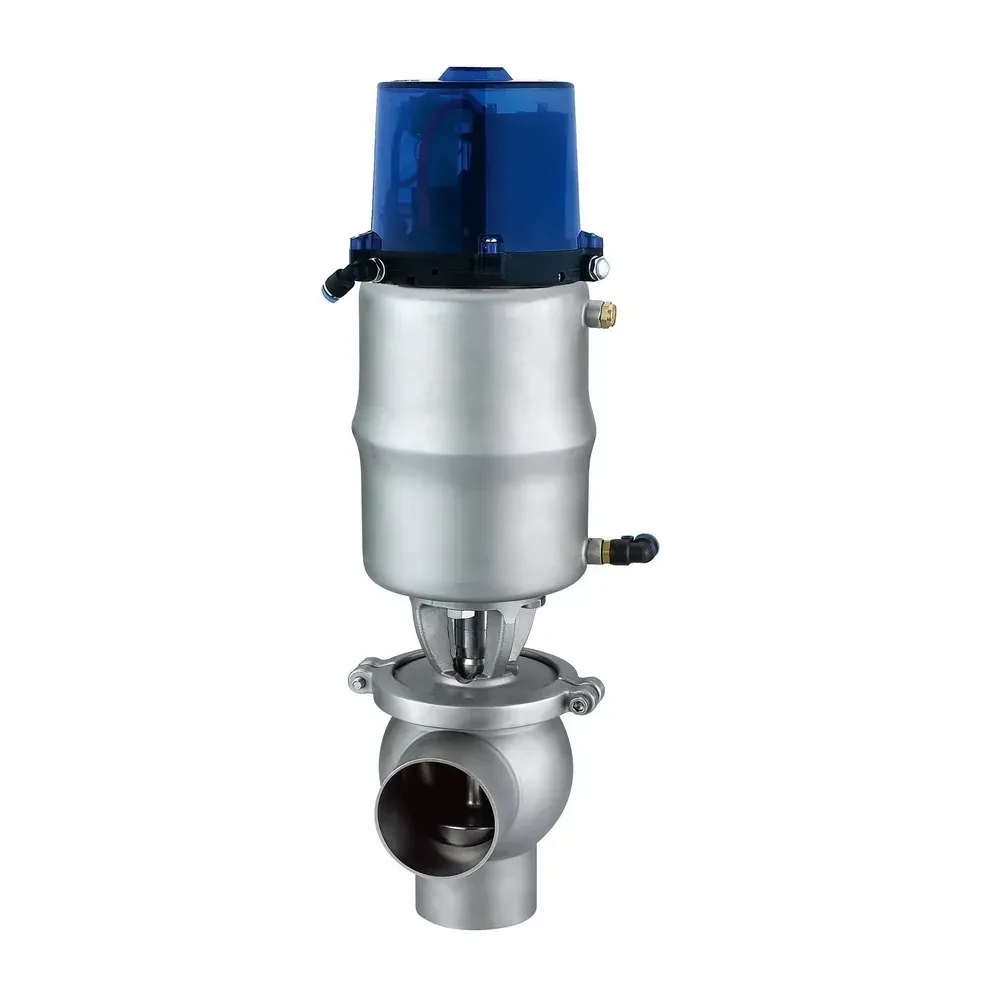
- Diaphragm valves
- 4 min read
What is the difference between a diaphragm valve and a globe valve?
The globe valve is a type of lift valve featuring a straight-through inlet and outlet configuration; it regulates flow and controls shut-off through the vertical movement of the valve disc. Available with manual, electric, or pneumatic actuation, it is suitable for use in clean piping systems.
-
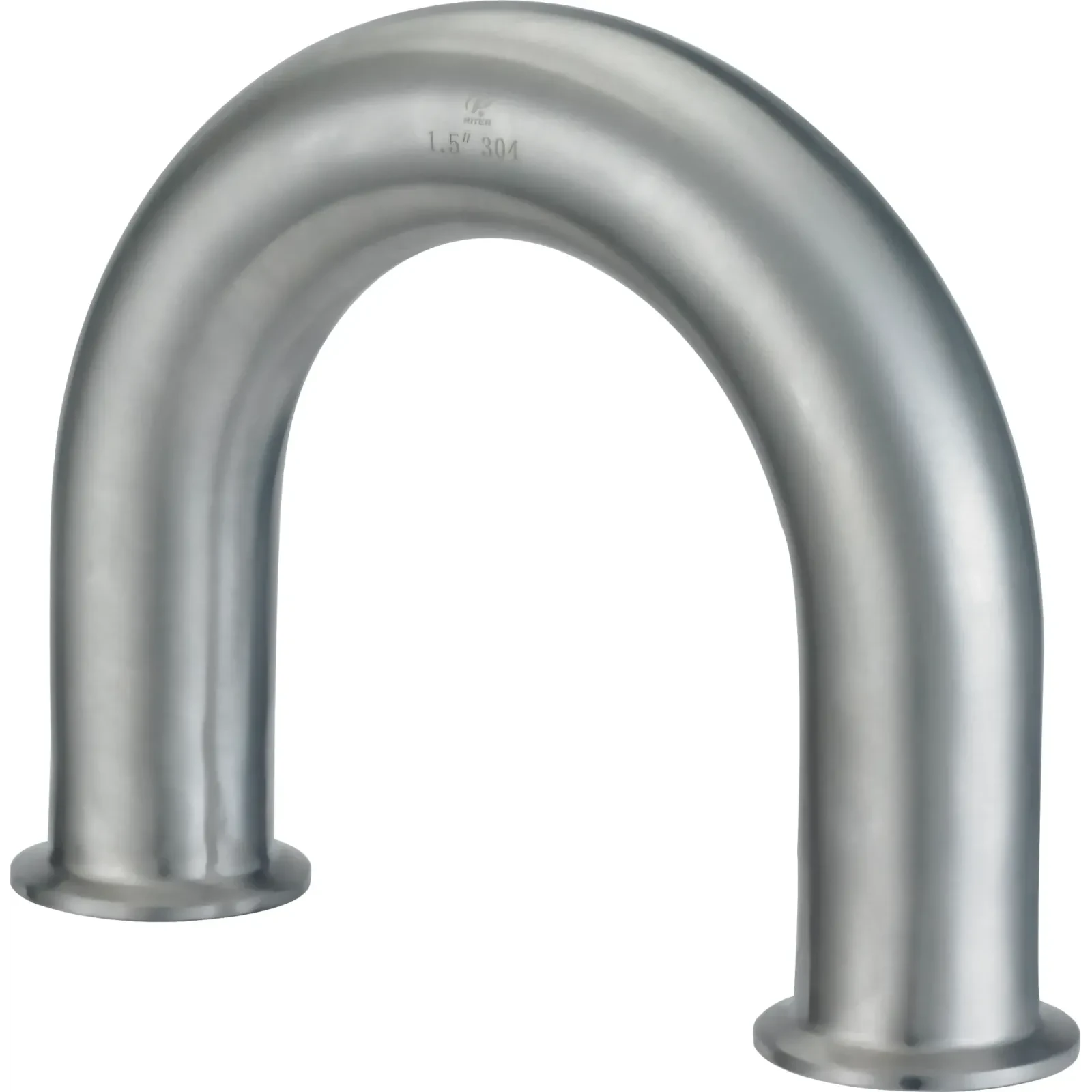
- Fittings and clamps
- 4 min read
What is a stainless steel elbow?
A stainless steel elbow is a crucial pipe fitting used to alter the flow direction of fluids within a pipeline, typically installed at points where the pipeline turns.
-
- Standards
- 2 min read
What 3-A actually requires of a valve
A 3-A symbol on a datasheet is quoted as though it settled everything. It settles less than most specifications assume, and the gap is where the arguments start.