 English
 简体中文
简体中文
 Español
 Русский
 Français
 العربية
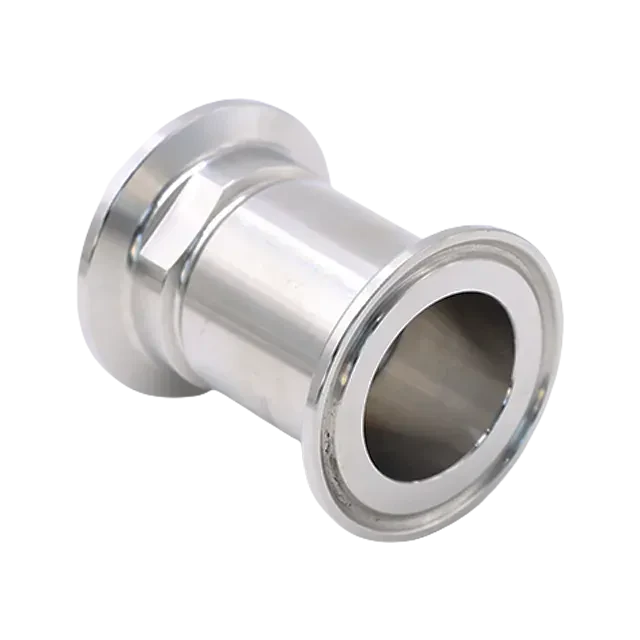
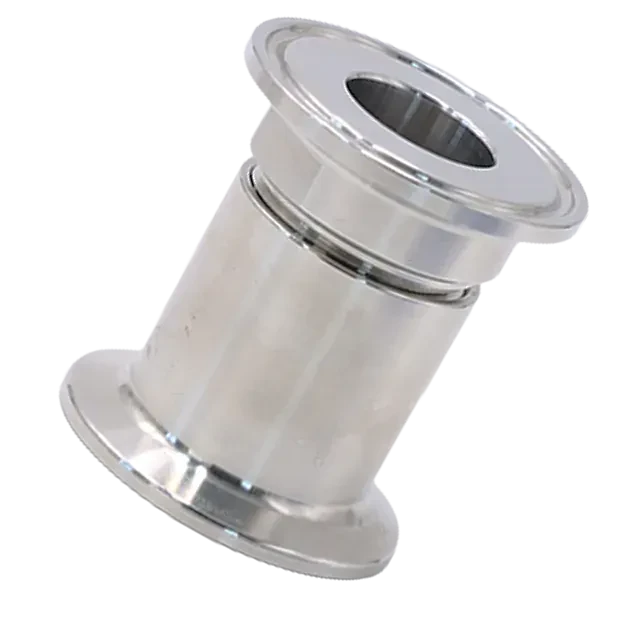
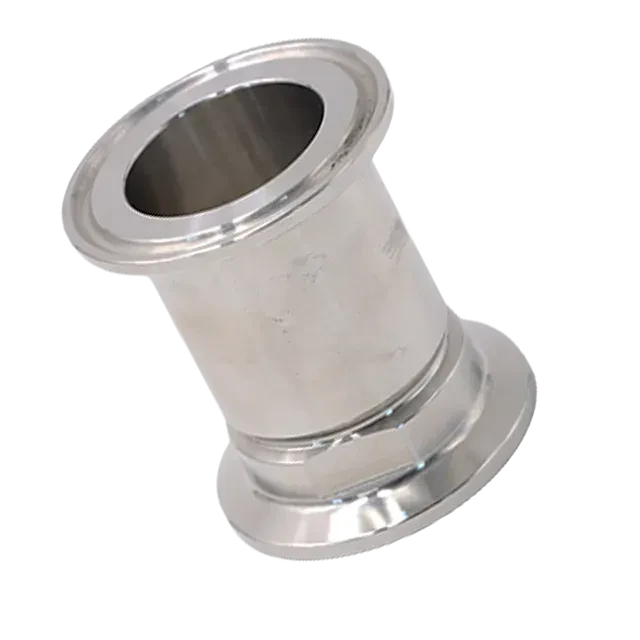
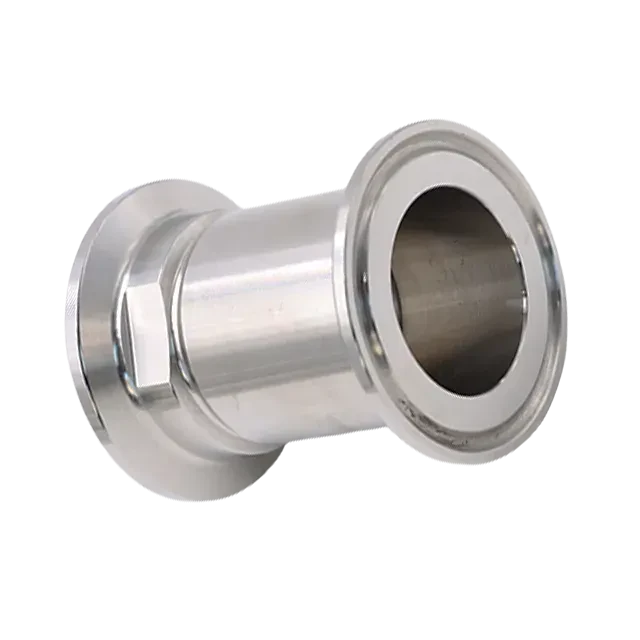
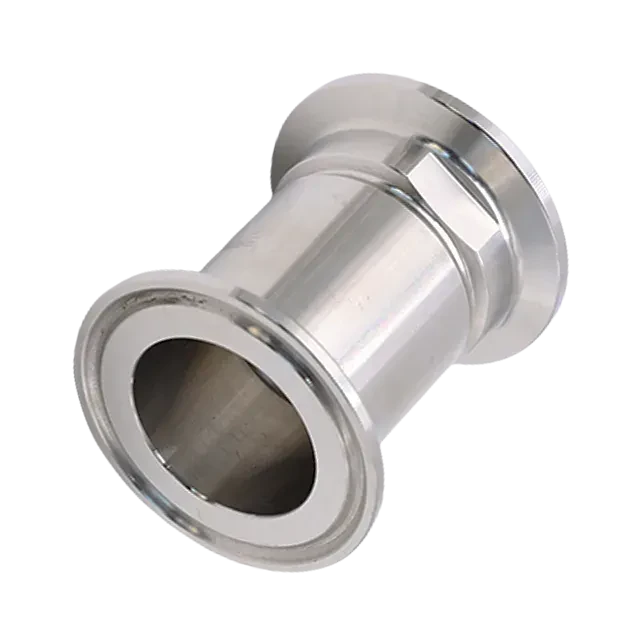
Adaptador de Mangueira
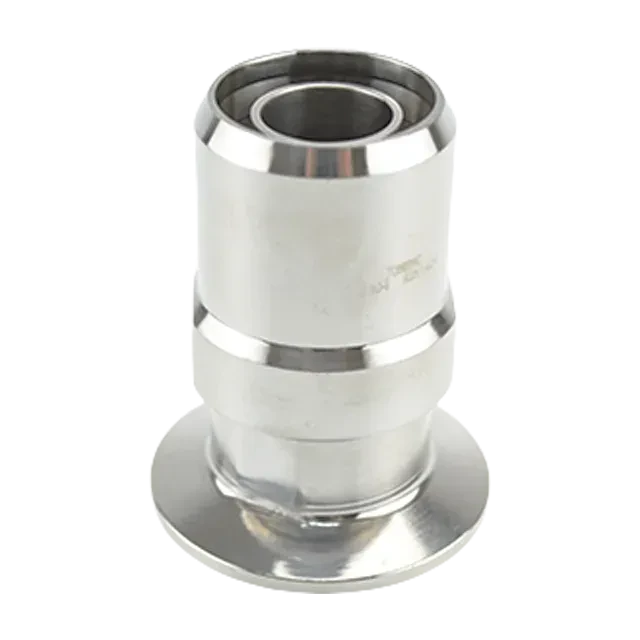
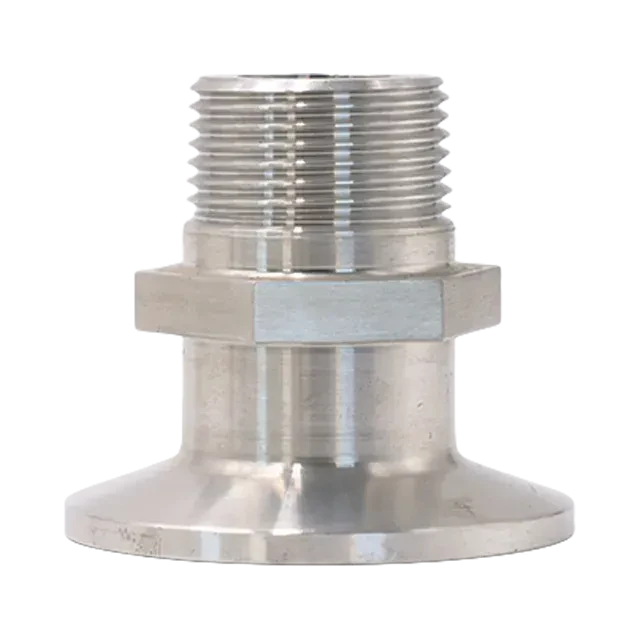
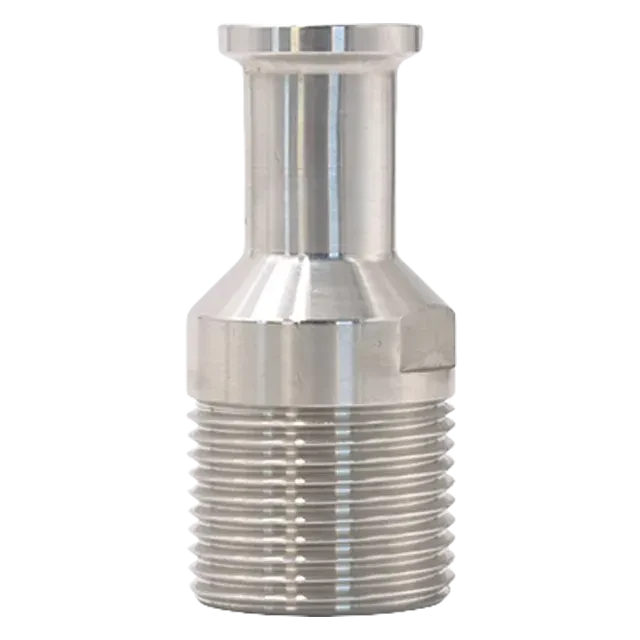
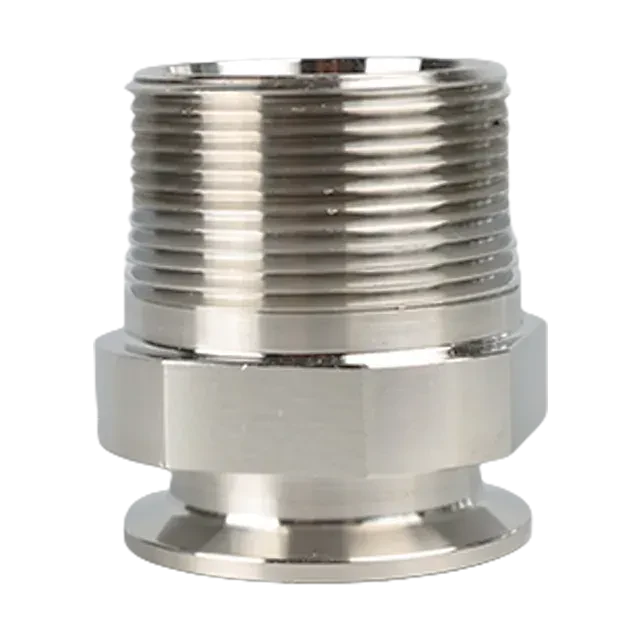
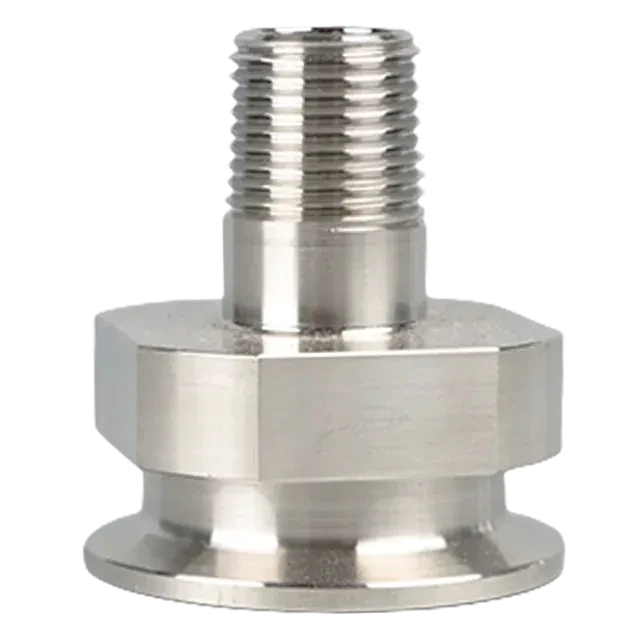
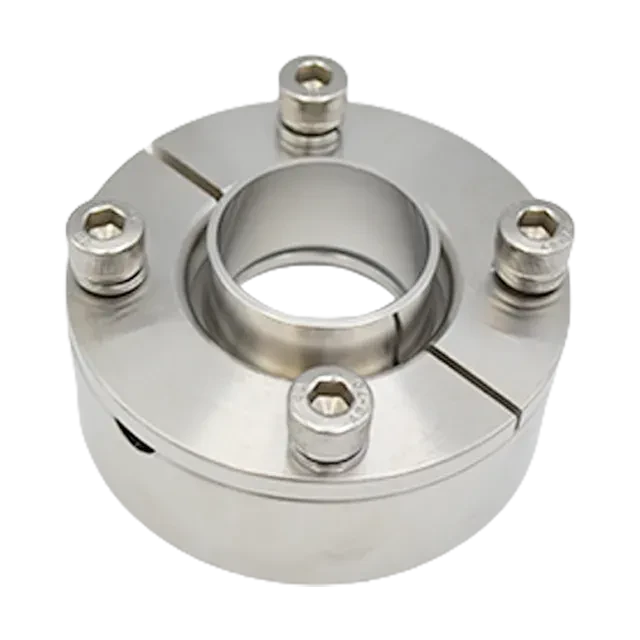
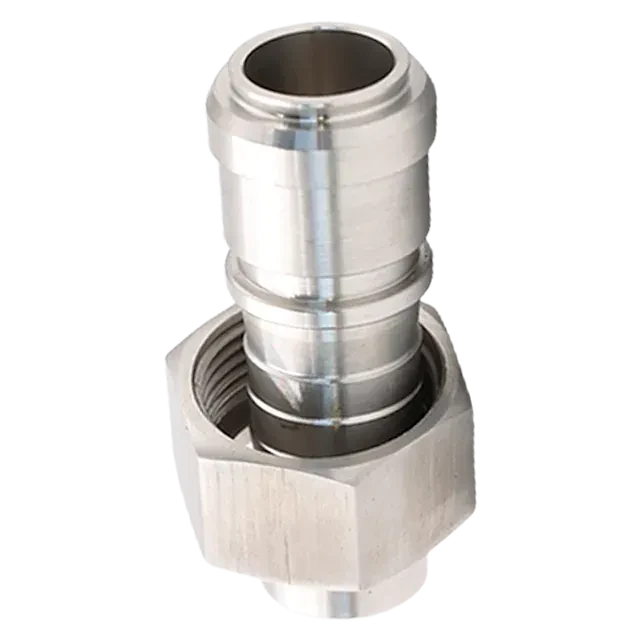
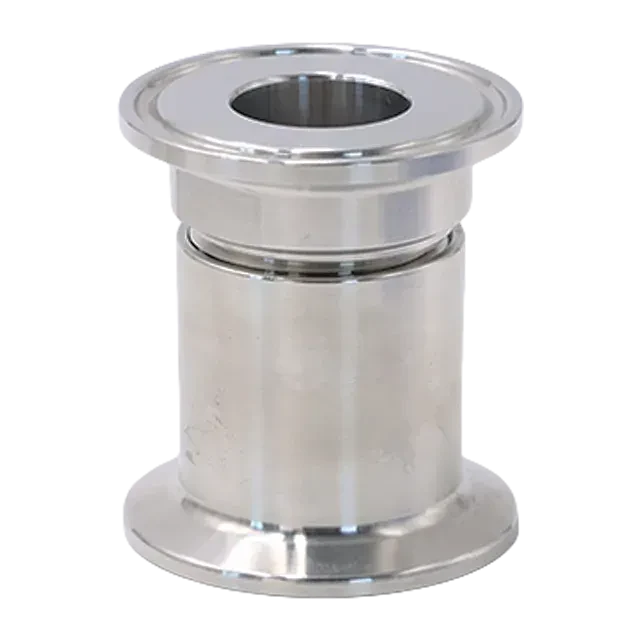
Adaptador de Virola Tri-Clamp para Tri-Clamp Sanitário em Aço Inoxidável de Grau Alimentar
- Marca
- JONENG
- Modelo
- JN-FL 23 2008
- Referência
- LD-593660968
Uma junta de borracha, também conhecida como junta de expansão ou conector flexível, é um tipo de dispositivo mecânico projetado para absorver e acomodar movimentos e vibrações em sistemas de tubulação, maquinário ou outras aplicações onde a flexibilidade é necessária. Essas juntas desempenham um papel crucial na prevenção de tensões, desalinhamentos e danos aos componentes conectados.
Descrição
Conexões Adaptadoras de Tubo Camlock Curtas para Solda deTopo Sanitárias em Aço Inoxidável de Grau Alimentar
O componente primário de uma junta de borracha é a própria borracha. Vários tipos de compostos de borracha podem ser utilizados, tais como EPDM (monômero de etileno propileno dieno), neoprene, borracha natural ou outros materiais de borracha sintética. A borracha fornece flexibilidade, resiliência e a capacidade de absorver movimentos e vibrações. O fole ou elemento flexível é a estrutura semelhante a um acordeão que permite que a junta de borracha se flexione e absorva movimentos em várias direções. Flanges e conexões de extremidade que facilitam a fixação da junta a outros componentes no sistema de tubulação. Os flanges são comumente feitos de metal e são colados ou aparafusados à junta de borracha.
A função primária de uma junta de borracha é absorver movimentos e vibrações em um sistema. O fole flexível ou estrutura semelhante a um acordeão da junta de borracha permite que ela se expanda, contraia e dobre em várias direções, acomodando movimentos axiais, laterais e angulares.
Quando tubos ou componentes em um sistema sofrem expansão ou contração térmica, a flexibilidade axial da junta de borracha permite que ela se alongue ou comprima adequadamente, evitando tensões excessivas nos componentes conectados. As juntas de borracha também podem acomodar movimentos laterais, movimentos angulares, expansão e contração térmica.
Mais em Adaptador de Mangueira