
 简体中文
简体中文
 Español
 Русский
 Français
 Português
 العربية
Blogs
How this equipment behaves, and why
Seat materials, surface finishes, cleaning regimes and the failures that follow from getting them wrong — written by the people who answer the phone when one of them fails.
-
- Control and actuation
- 7 min read
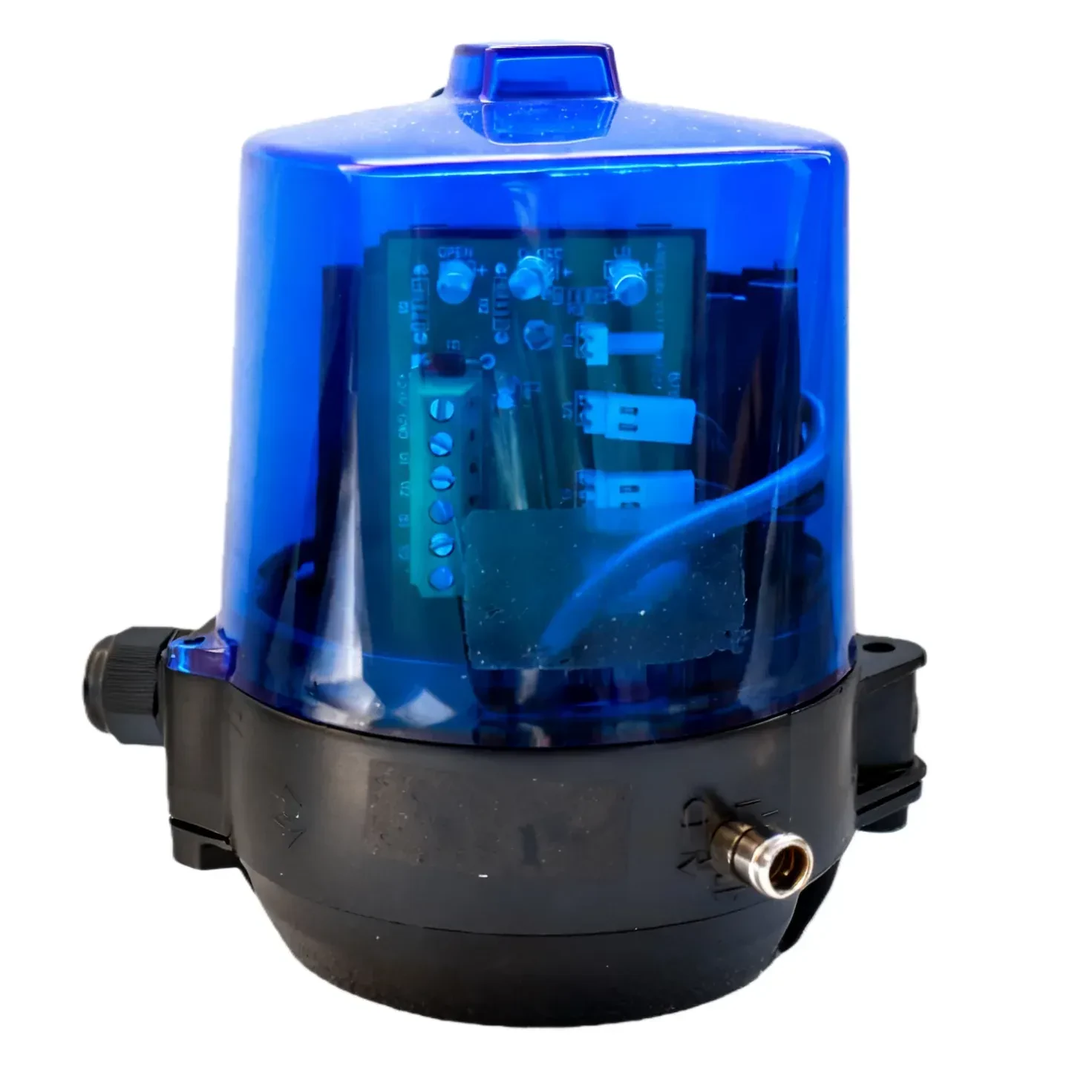
Key differences between valve positioners and smart valve heads + Selection guide
Both valve positioners and smart valve heads are control auxiliary components for regulating valves/pneumatic valves. The core difference lies in their function: valve positioners are "professional flow/position precision control components," compatible with all regulating valves requiring precise
-
- Control and actuation
- 7 min read
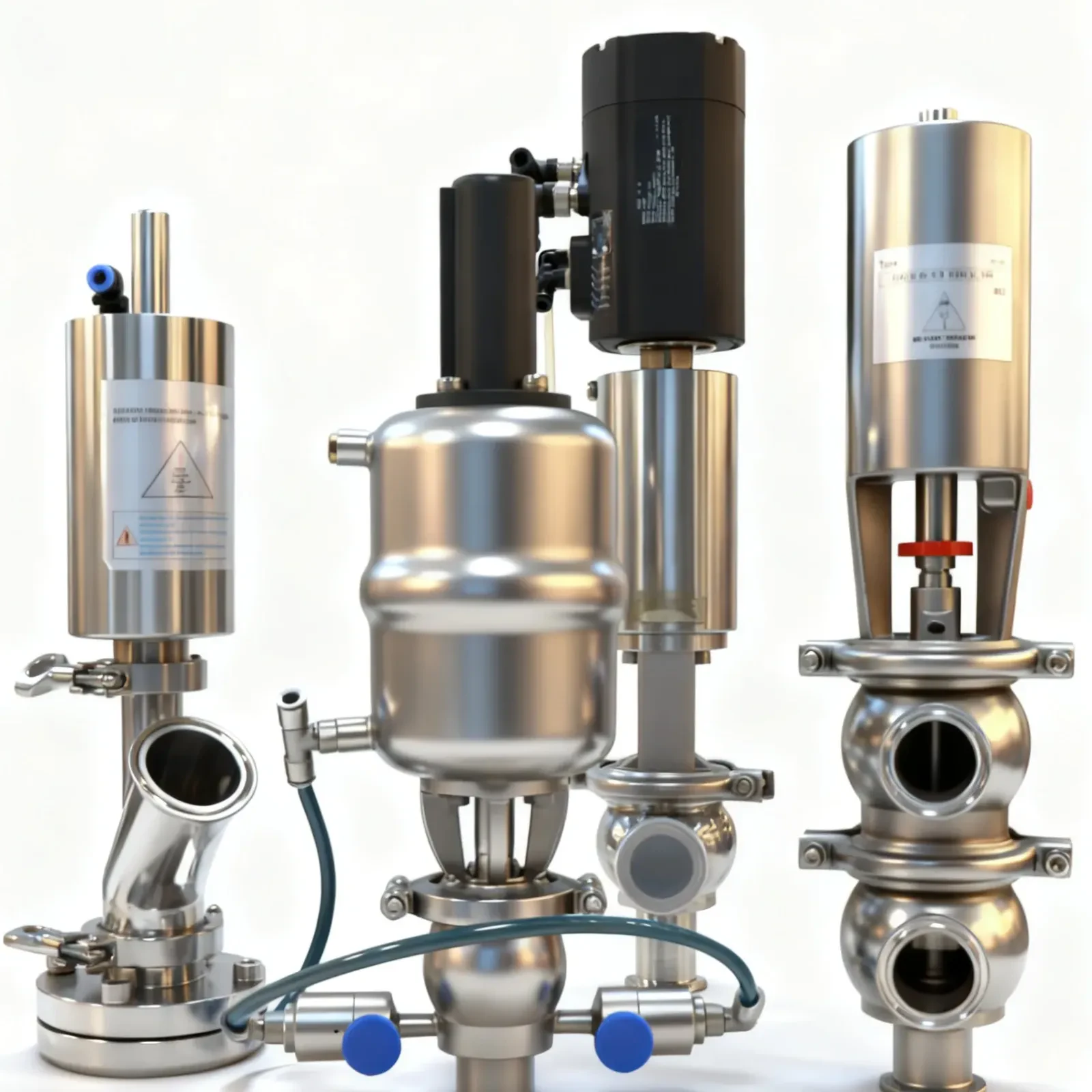
The core difference between directional control valves and anti-mixing valves
Although both directional control valves and anti-mixing valves are fluid flow switching valves, their core design purposes, sealing principles, flow control precision, and applicable operating conditions are completely different: directional control valves are "general-purpose flow switching
-
- Control and actuation
- 6 min read
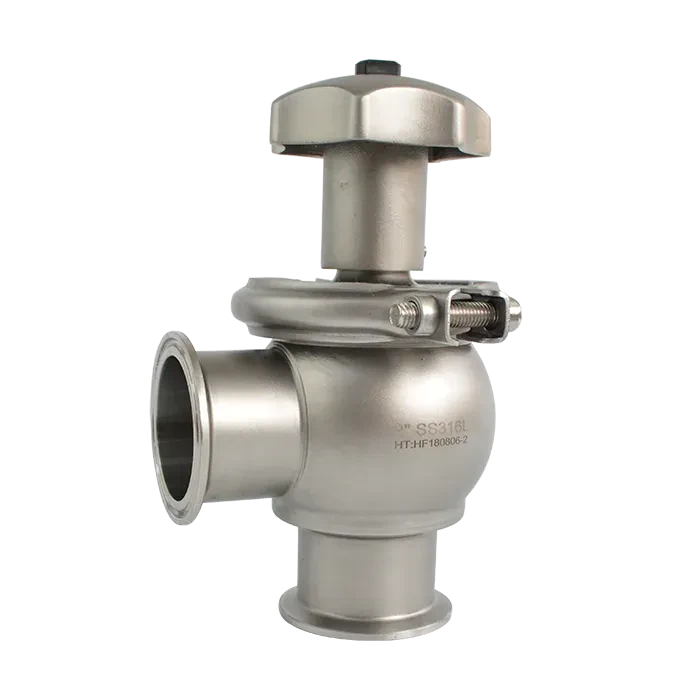
The core difference between pressure reducing valves and regulating valves
Although both pressure reducing valves and regulating valves belong to the category of pressure control valves, their core positioning, working logic, and structural design are completely different: Pressure reducing valves are "self-operated passive pressure regulating valves," requiring no
-
- Ball valves
- 4 min read
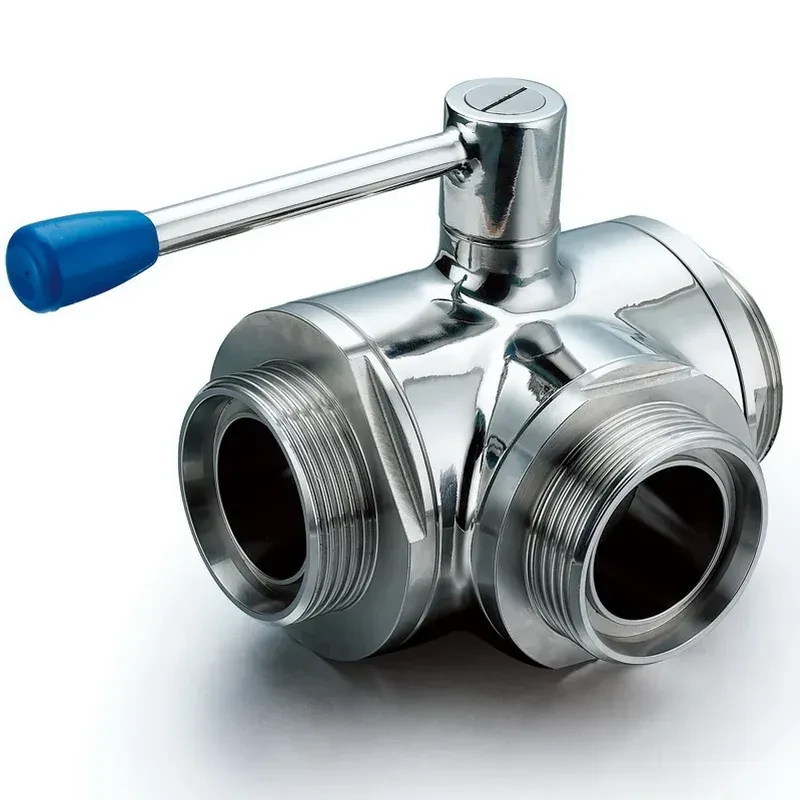
Sanitary forged ball valves vs. cast ball valves: Key differences and industry applications.
The core difference between sanitary forged ball valves and cast ball valves stems from their forming process, which directly determines the valve body's material density, strength, cleanliness compatibility, and cost, thus affecting their applicability in sanitary applications.
-
- Control and actuation
- 3 min read
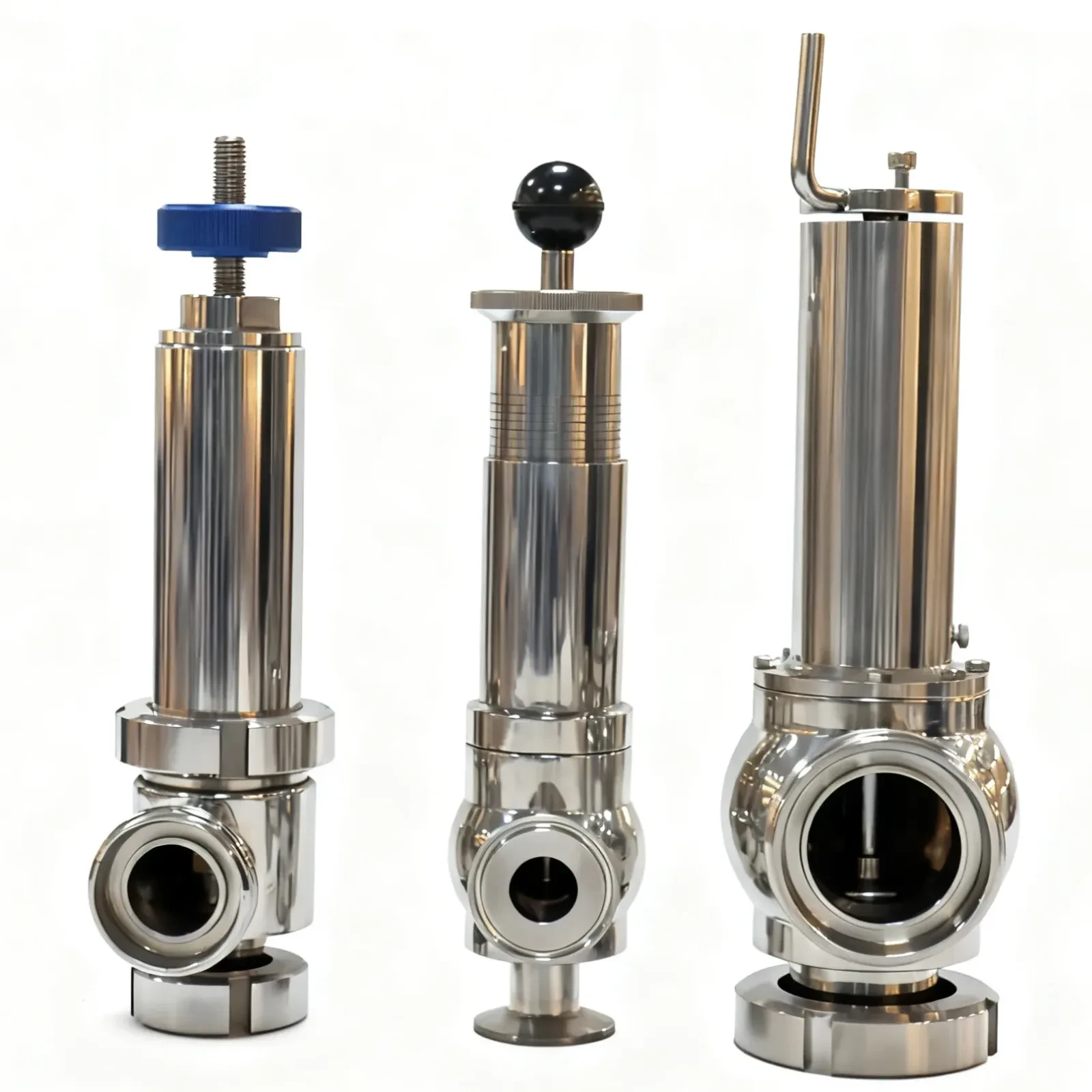
The core differences and working principles between safety valves and control valves
Safety valves and control valves are control valves with completely different functions in industrial fluid systems. The core difference lies in the fact that safety valves are safety protection valves (passive action, preventing overpressure), while control valves are process control valves
-
- Pumps
- 3 min read
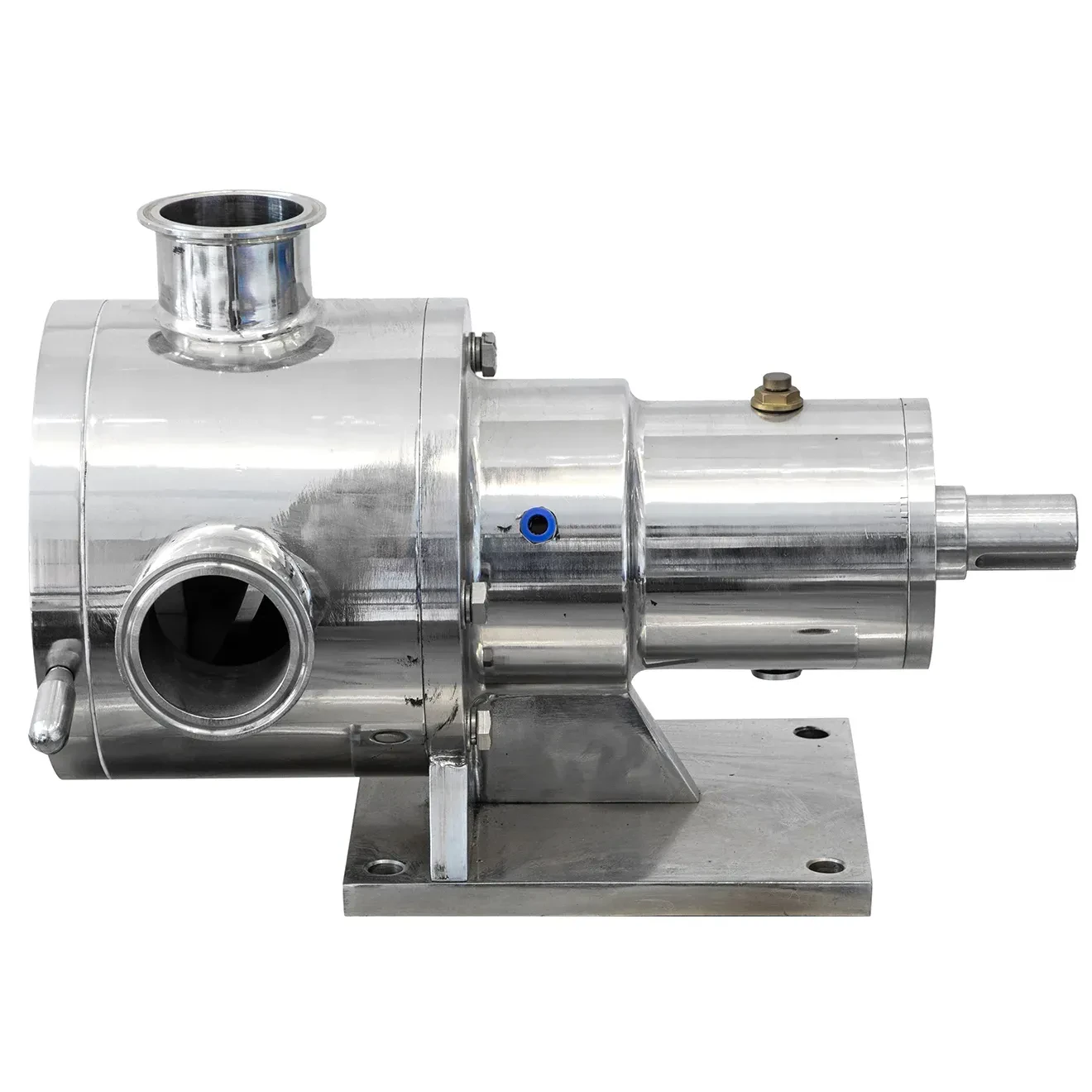
Pump-Gear Reducer
Pumps requiring speed reducers are primarily driven by a high-speed, low-torque prime mover (motor/engine):
-
- Fittings and clamps
- 5 min read
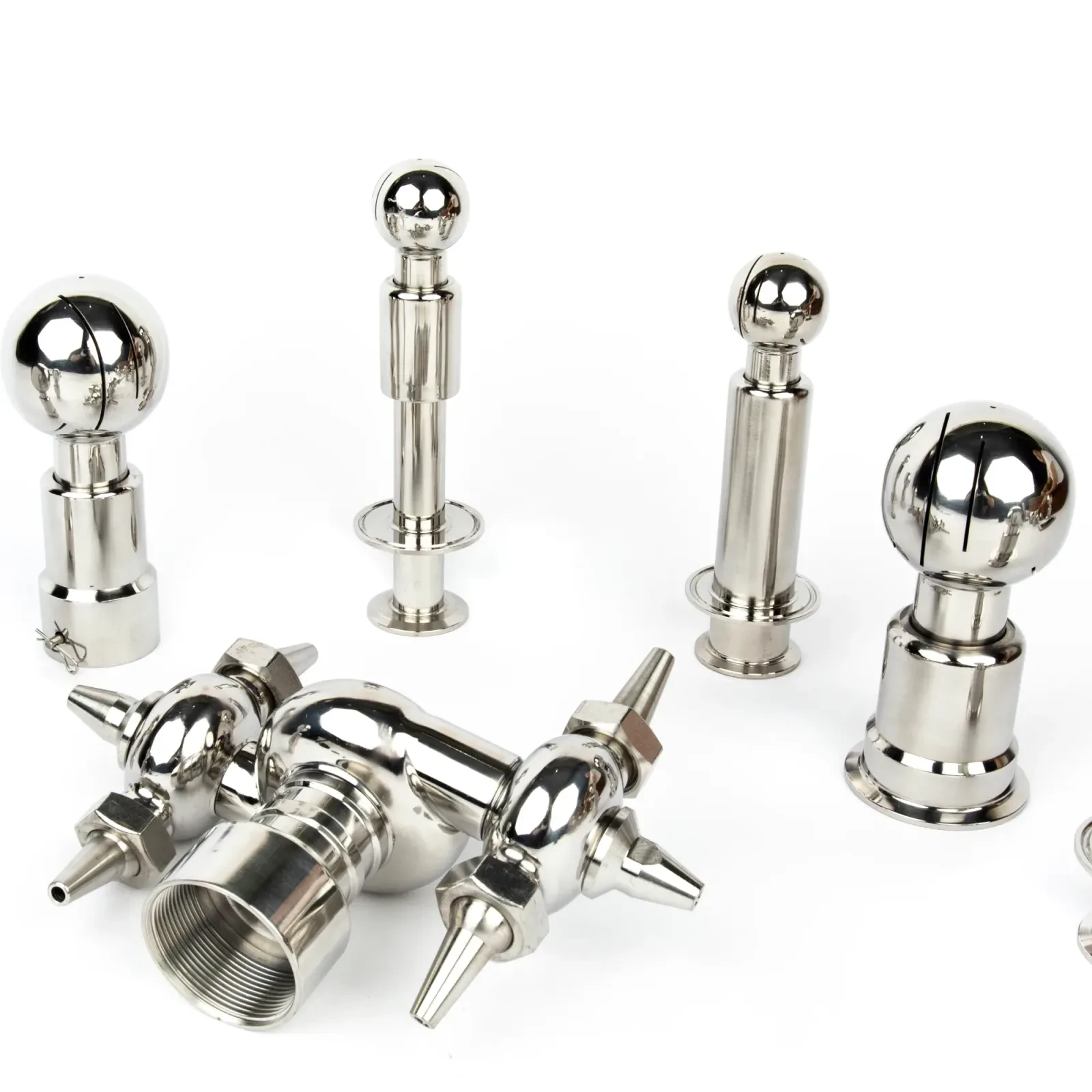
Detailed Explanation of the Differences Between Round and Oval Cleaning Balls
Cleaning balls (also known as cleaning balls or spray cleaning balls) are core components in sanitary fluid equipment used for cleaning the inner walls of containers and pipes.
-
- Check valves
- 1 min read
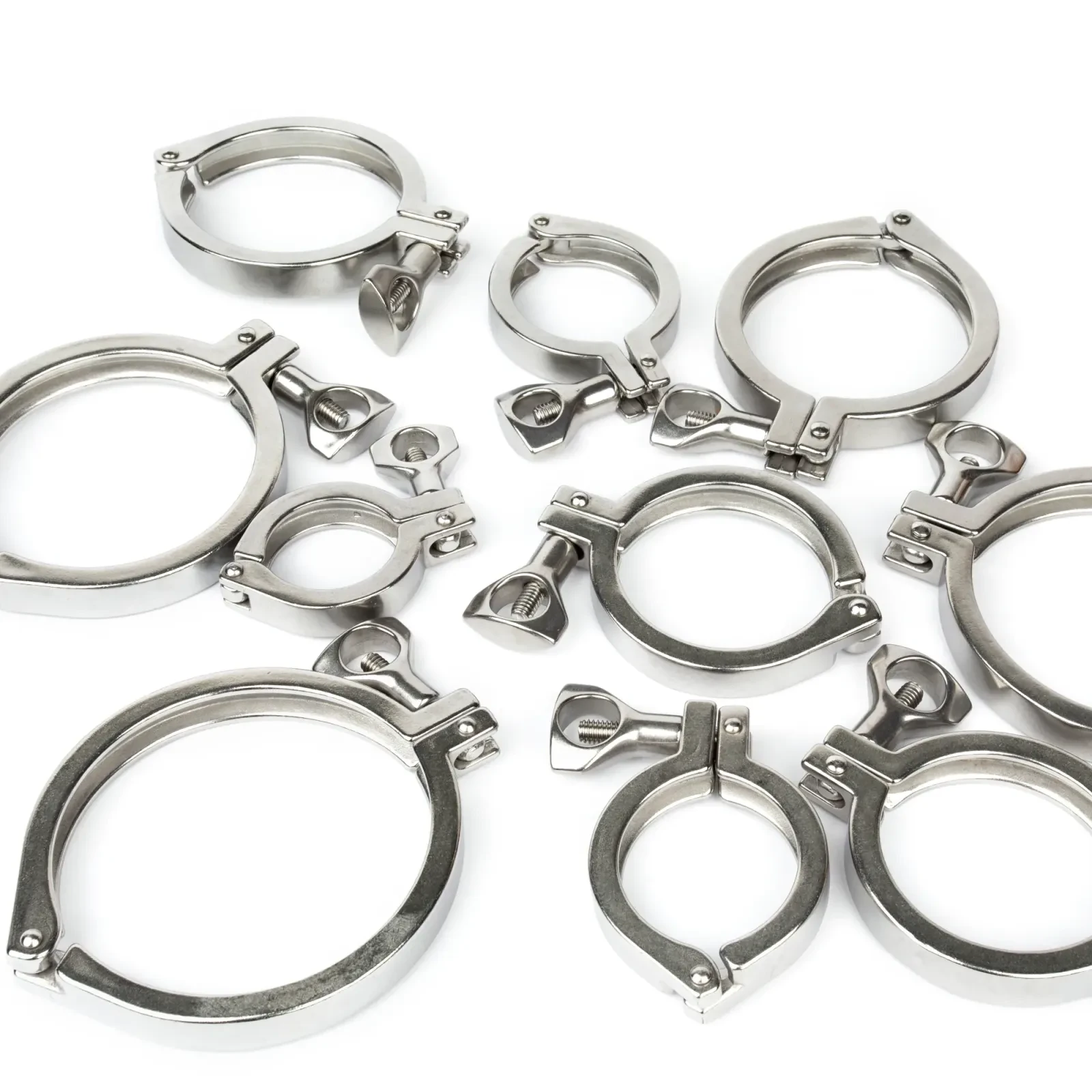
Differences between Overlapping And Intermediate Clamps
Structural Features: The two semi-rings of the clamp overlap when closed, resulting in a larger contact area and more even clamping force distribution.
-
- Check valves
- 6 min read
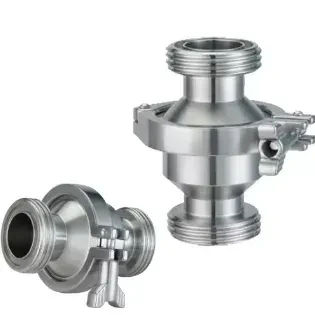
Where do you need a check valve?
Have you ever wondered what stops water or gas from flowing backward in pipes? That’s exactly what a check valve does—it ensures flow moves only one way. Preventing backflow is crucial to protect health, avoid contamination, and safeguard equipment.