
 English
 Español
 Русский
 Français
 Português
 العربية
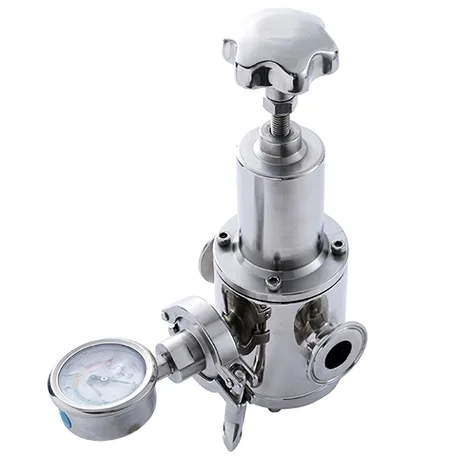
The core function of a pressure-reducing valve in a piping system can be summarized in three words: reduction, stabilization, and protection.
Specifically, it primarily performs the following three functions:
1. Pressure Reduction:
It reduces the higher inlet pressure to the lower pressure required by downstream equipment or the system.
Upstream pressure may be high and unstable (e.g., municipal water supply networks, steam boiler outlets), but terminal equipment (e.g., faucets, pneumatic valves, heat exchangers) can only withstand lower pressures. The pressure-reducing valve actively lowers the pressure through a throttling principle, achieving "high pressure in, low pressure out."
2. Pressure Stabilization:
This is the most crucial function of the pressure-reducing valve—regardless of fluctuations in upstream inlet pressure or changes in downstream flow rate, it automatically maintains a constant downstream pressure.
Counteracting Upstream Fluctuations: When upstream pressure increases, the pressure-reducing valve automatically closes the valve opening; when upstream pressure decreases, it automatically opens the valve opening, ensuring that downstream pressure is not affected.
Counteracting Flow Changes: When downstream water or gas consumption suddenly changes (e.g., multiple valves opening or closing simultaneously), the pressure-reducing valve responds quickly, preventing significant fluctuations in downstream pressure.
3. Protective Function
Through the pressure reduction and stabilization functions described above, the pressure-reducing valve indirectly protects the entire system.
Protecting downstream equipment: Preventing excessive pressure from damaging pipes, valves, instruments, pumps, water heaters, and other terminal equipment, extending their service life.
Preventing overpressure leakage: Avoiding leaks or bursts at pipe joints and seals due to excessive pressure, eliminating safety hazards.
Reducing energy consumption: In pneumatic or steam systems, excessive pressure is not only unnecessary but also wastes energy. Proper pressure reduction can save energy.
Summary Simply put
a pressure-reducing valve is equivalent to an "automatic pressure regulator" in a pipeline system. Like a smart goalkeeper, it steadily provides a constant, safe, and reliable flow of water (or airflow, steam) downstream, regardless of the upstream pressure, ensuring the safe, efficient, and stable operation of the entire system.
继续阅读
-
- Control and actuation
控制卫生级不锈钢阀门该如何选气动执行器
-
- Control and actuation
气动执行器的基本工作原理是什么?
-
- Control and actuation
管道系统中减压阀的工作原理是什么?
-
- Control and actuation
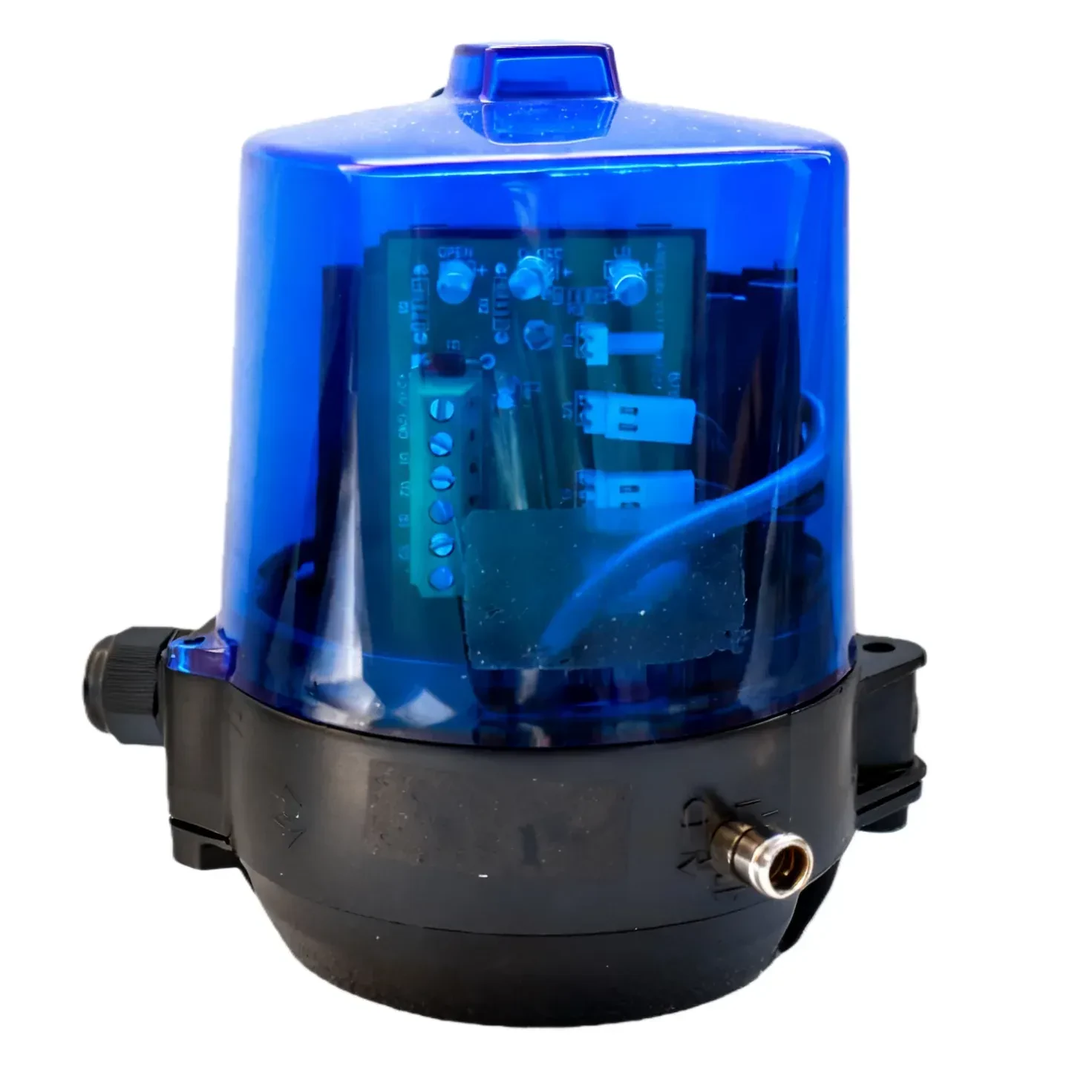
阀门定位器与智能阀门头的关键区别及选型指南