

JONENG Sanitary Flow — 首页

您的询价清单

清单还是空的。在产品页面加入后,它会保留在这里。

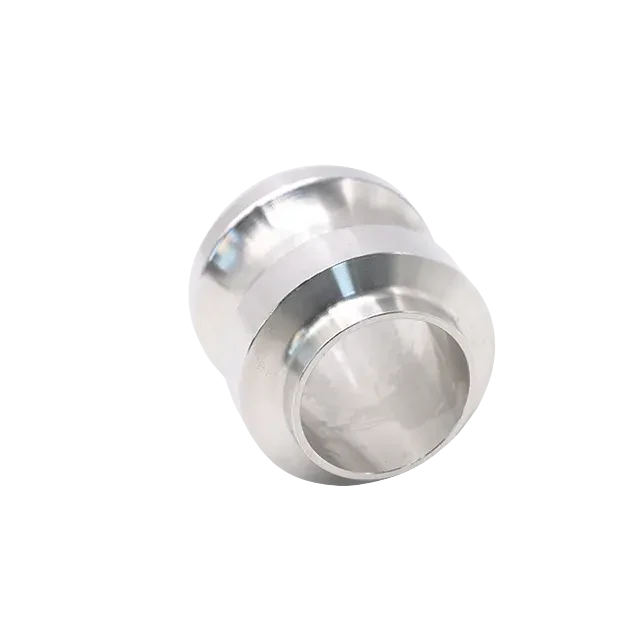
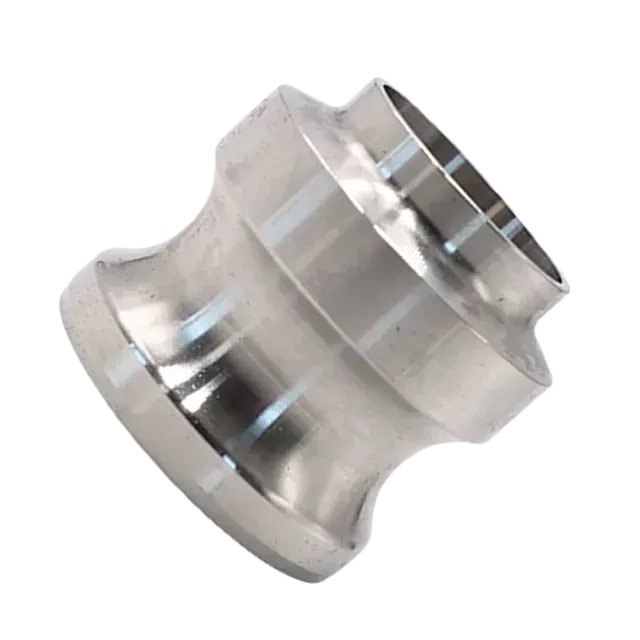
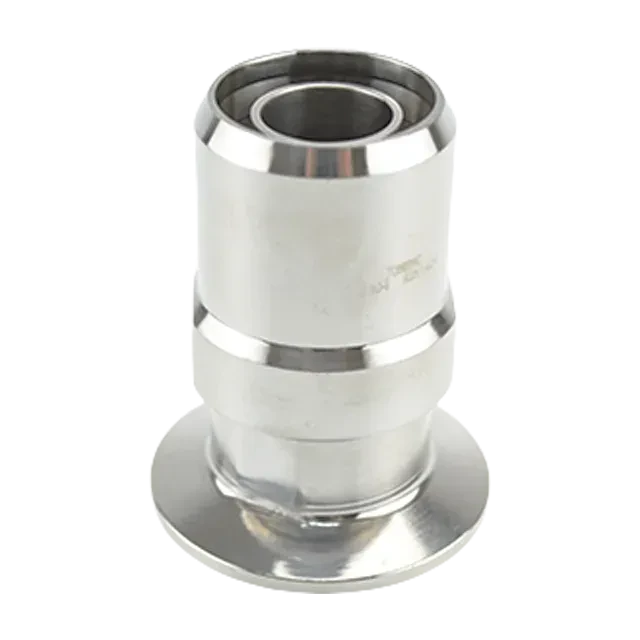
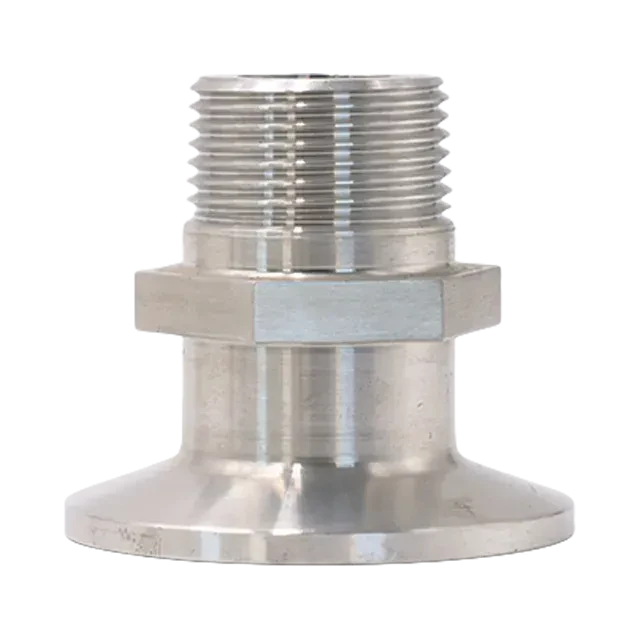
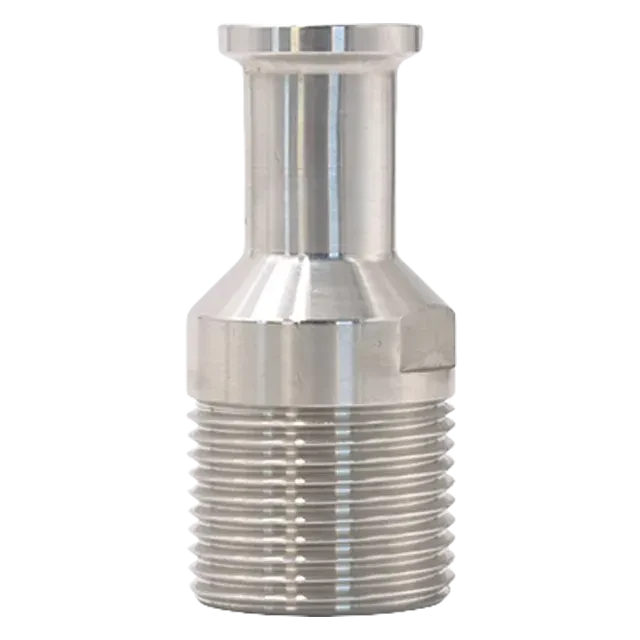
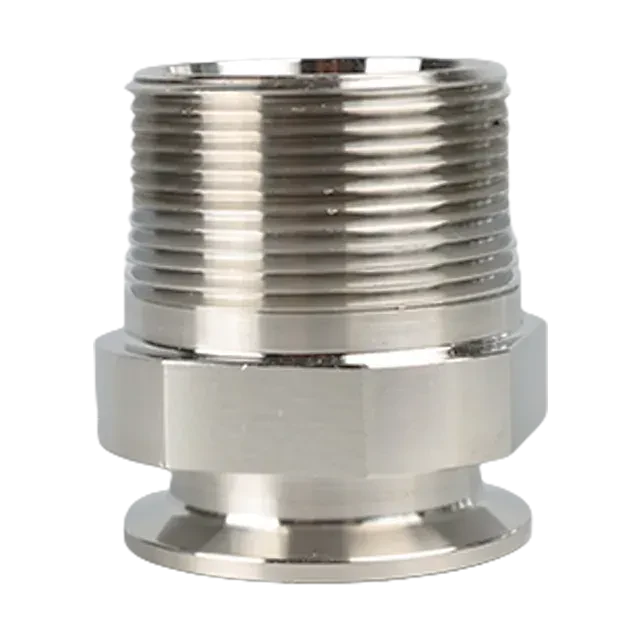
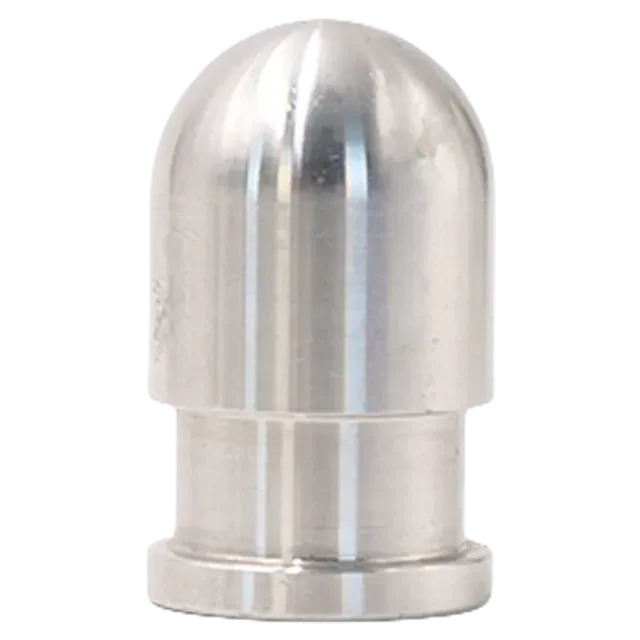
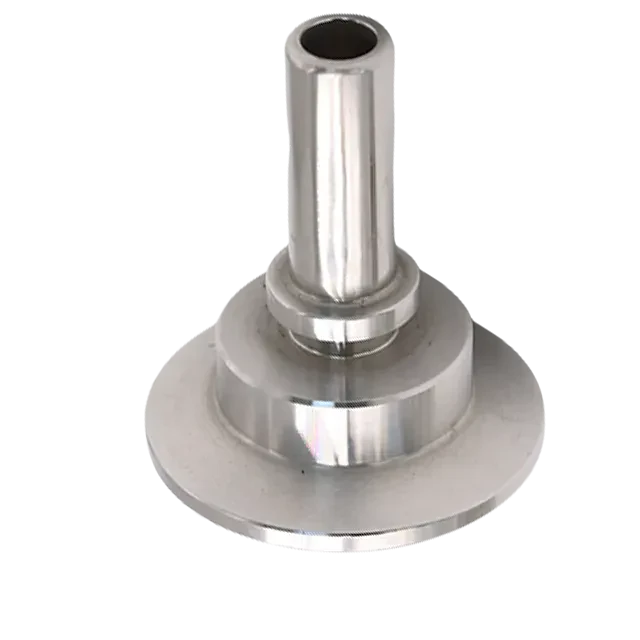
Sanitary Stainless Steel Food Grade Butt Weld Short Camlock Pipe Adaptor Fittings — 1/6

Hose Adaptor

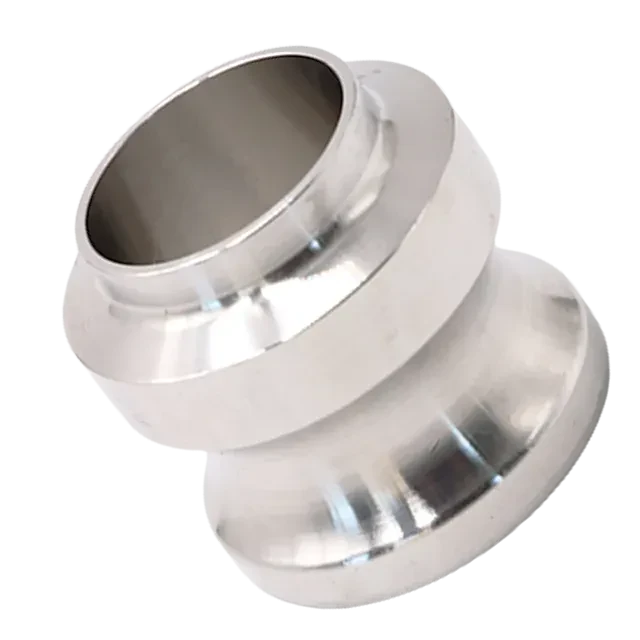
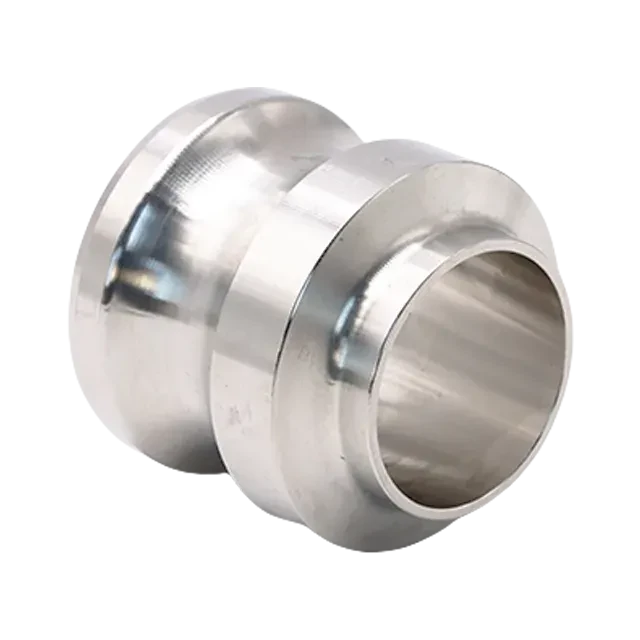
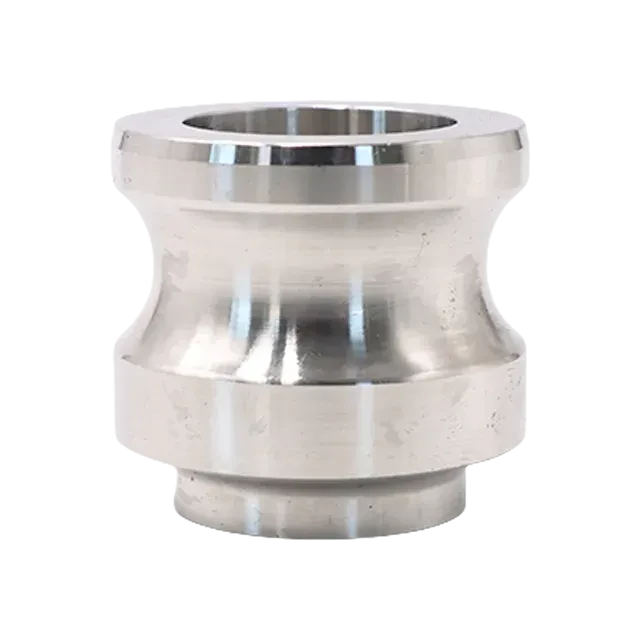
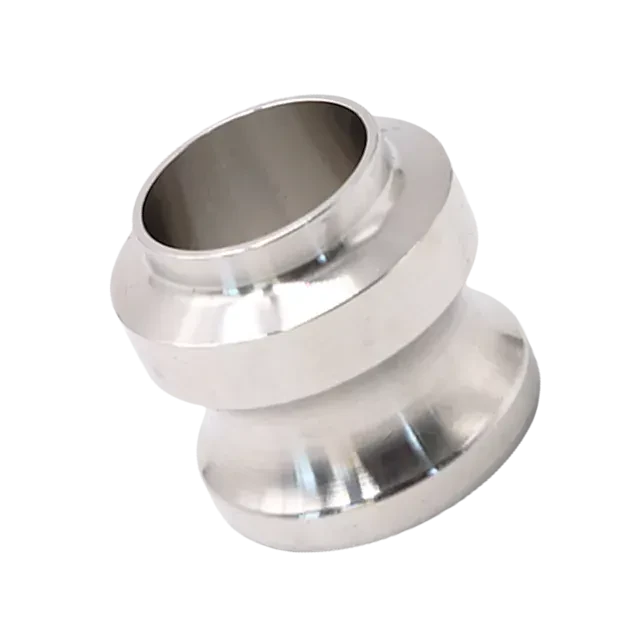
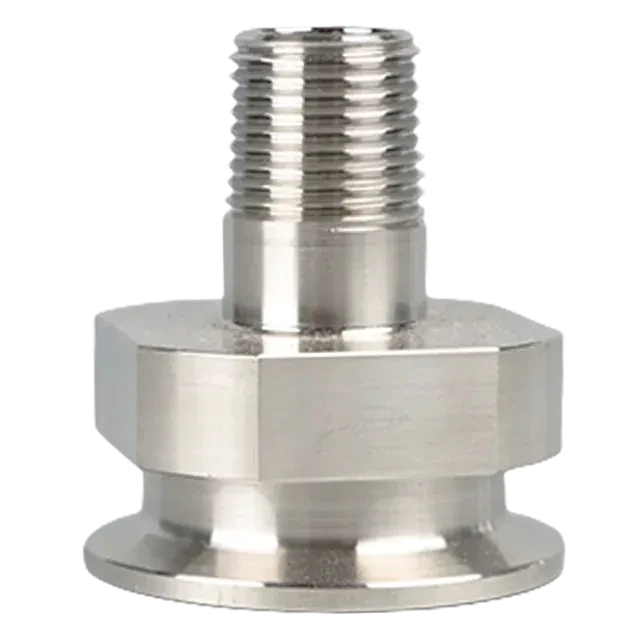
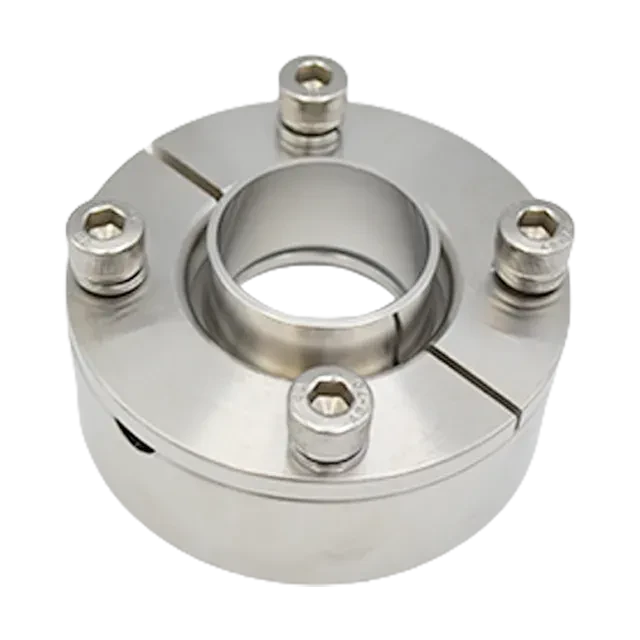
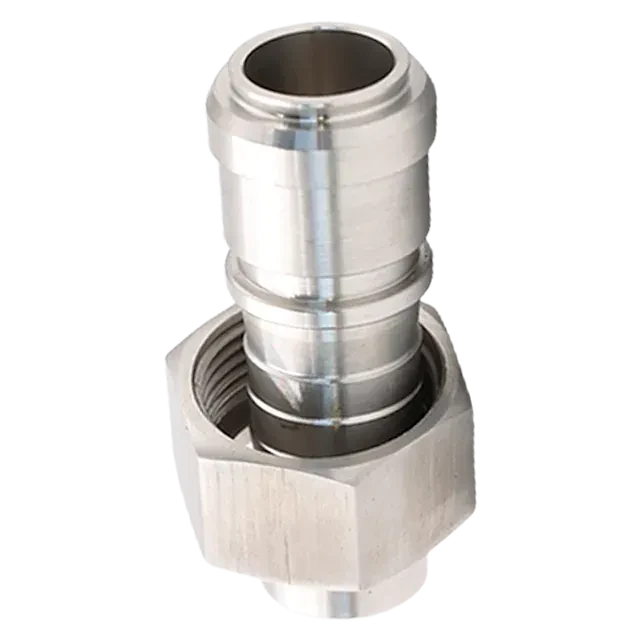
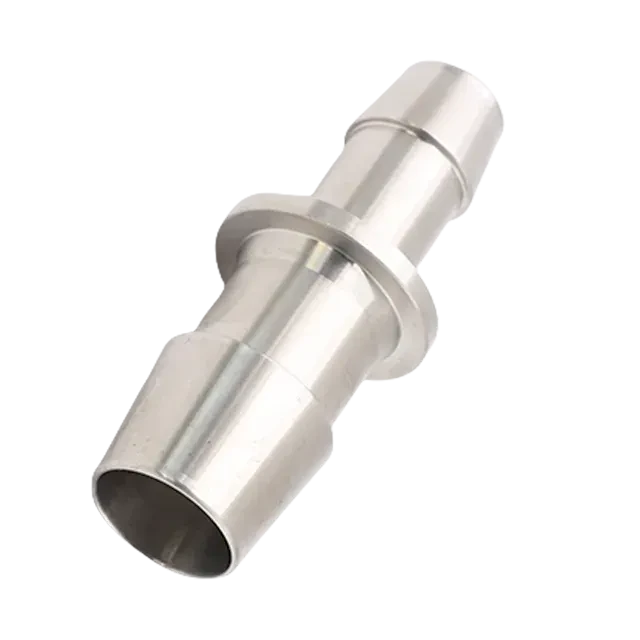
Sanitary Stainless Steel Food Grade Butt Weld Short Camlock Pipe Adaptor Fittings

品牌
JONENG
型号
JN-FL 23 2008
物料号
LD-547660968

A rubber joint, also known as an expansion joint or flexible connector, is a type of mechanical device designed to absorb and accommodate movement and vibration in piping systems, machinery, or other applications where flexibility is required. These joints play a crucial role in preventing stress, misalignment, and damage to connected components.

分享本产品

Sanitary Stainless Steel Food Grade Butt Weld Short Camlock Pipe Adaptor Fittings

扫码用手机打开

用手机扫描二维码,即可把本页带到车间现场。

发送到我的邮箱

我们会将本产品及其技术资料发送到您的邮箱。

索取报价

Sanitary Stainless Steel Food Grade Butt Weld Short Camlock Pipe Adaptor Fittings

LD-547660968 数量: 1

需要多个产品? 使用报价清单

Description

Sanitary Stainless Steel Food Grade Butt Weld Short Camlock Pipe Adaptor Fittings

The primary component of a rubber joint is the rubber itself. Various types of rubber compounds may be used,  such as EPDM (ethylene propylene diene monomer), neoprene, natural rubber,  or other synthetic rubber materials. The rubber provides flexibility, resilience,  and the ability to absorb movement and vibrations. The bellows or flexing element is the accordion-like structure that  allows the rubber joint to flex and absorb movements in multiple directions. Flanges and end connections that facilitate  the attachment of the joint to other components in the piping system. Flanges are commonly made of metal and are either  bonded or bolted to the rubber joint.

The primary function of a rubber joint is to absorb movements and vibrations in a system. The flexible bellows or  accordion-like structure of the rubber joint allows it to expand, contract, and bend in multiple directions,  accommodating axial, lateral, and angular movements.

When pipes or components in a system undergo thermal expansion or contraction,  the rubber joint's axial flexibility allows it to elongate or compress accordingly,  preventing undue stress on the connected components. Rubber joints can also accommodate lateral movements,  angular movements, thermal expansion and contraction.