 English
 简体中文
简体中文
 Español
 Français
 Português
 العربية
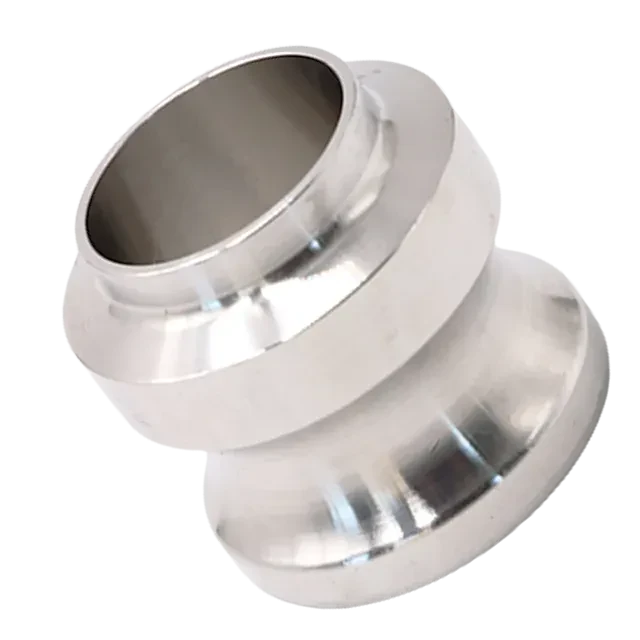
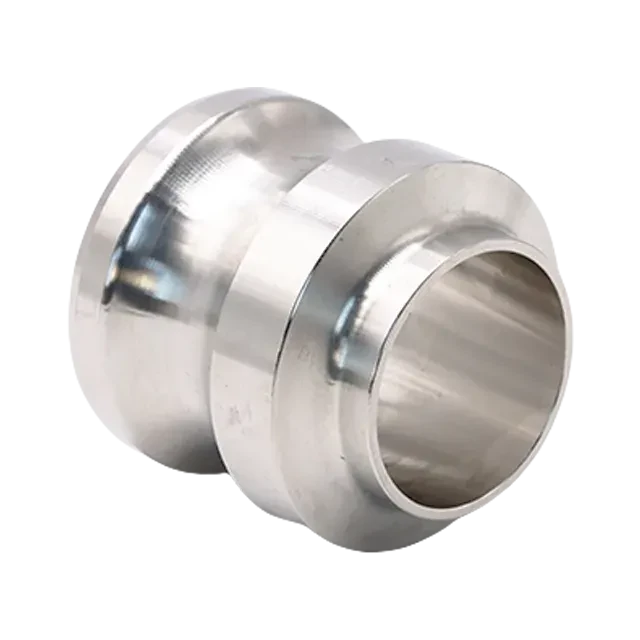
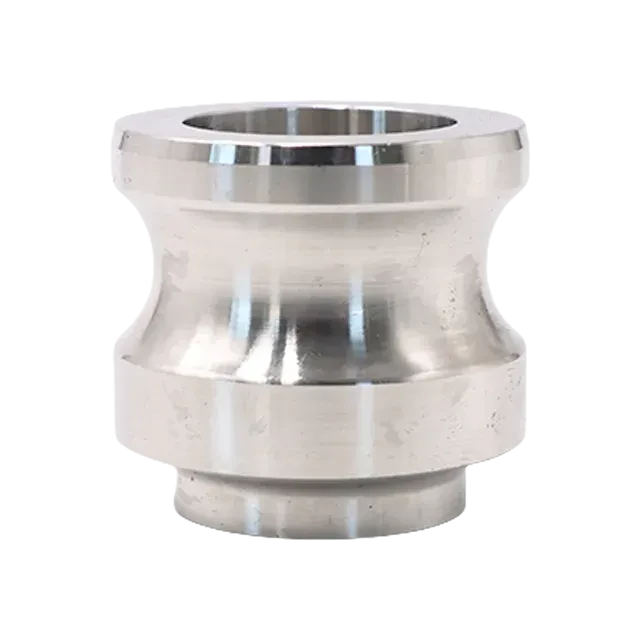
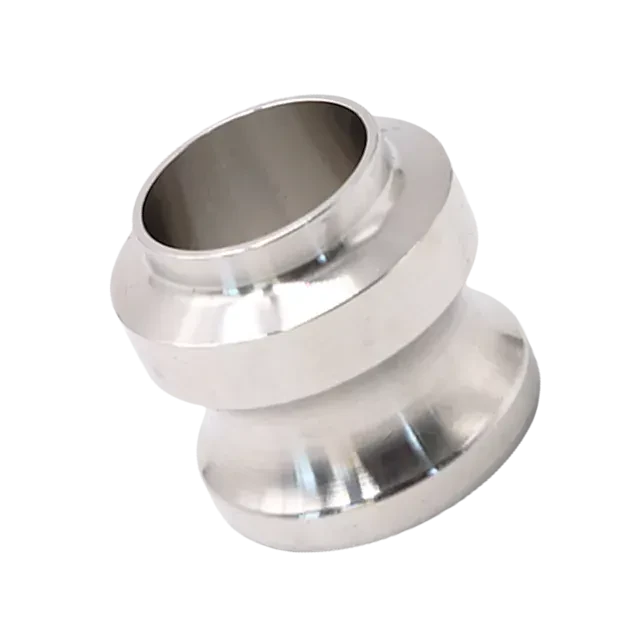
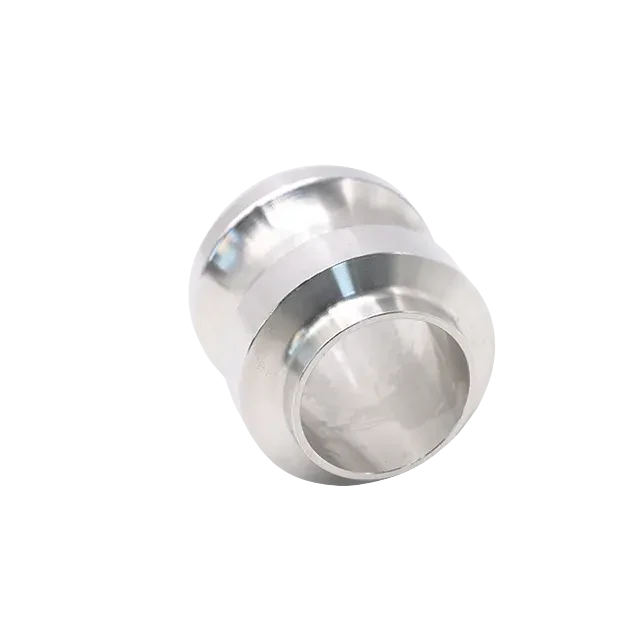
Штуцер для шланга
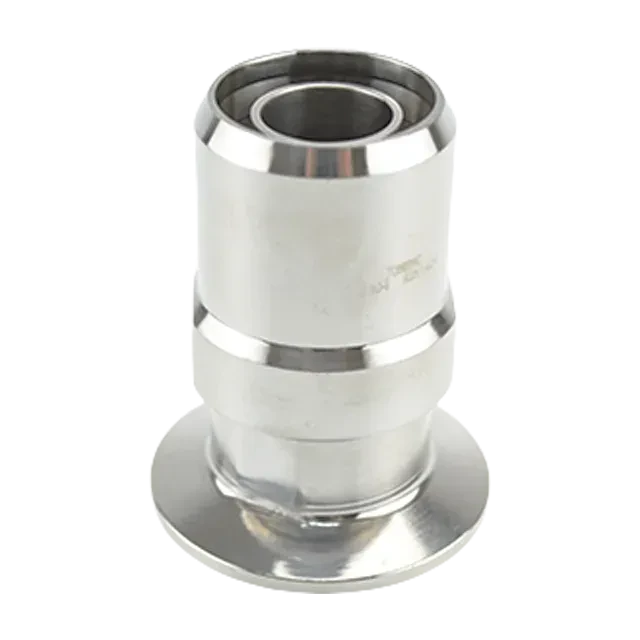
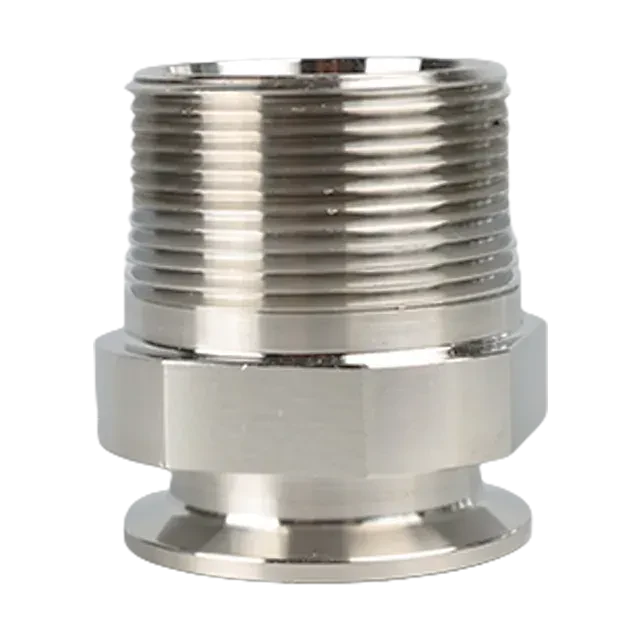
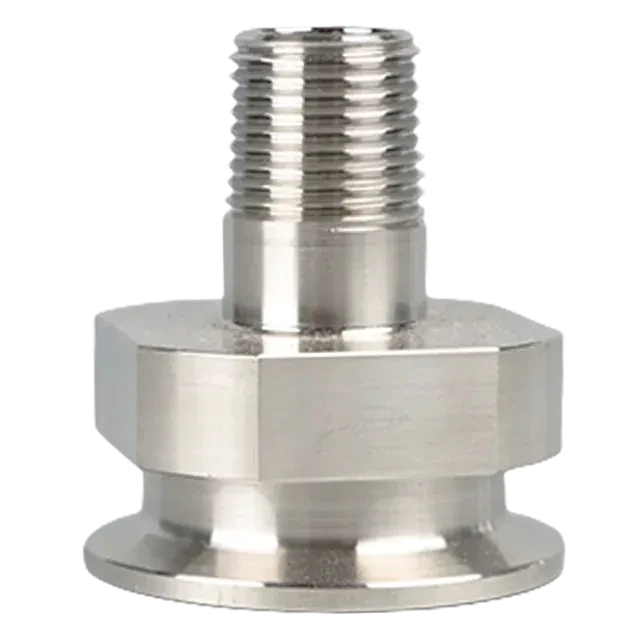
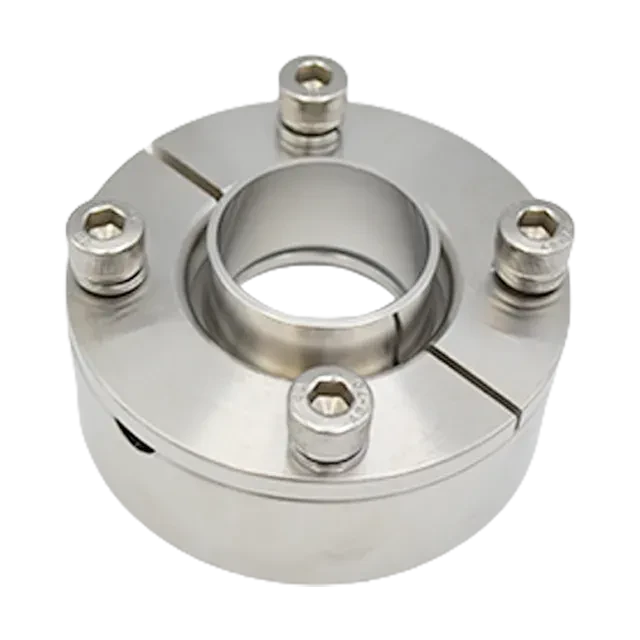
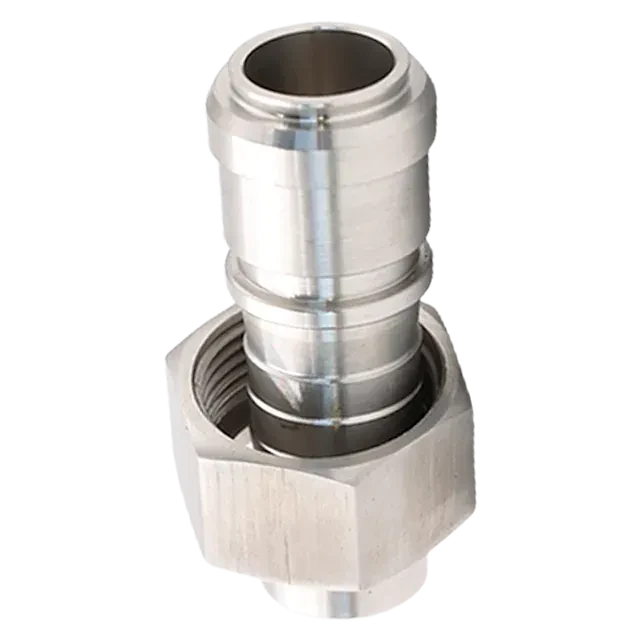
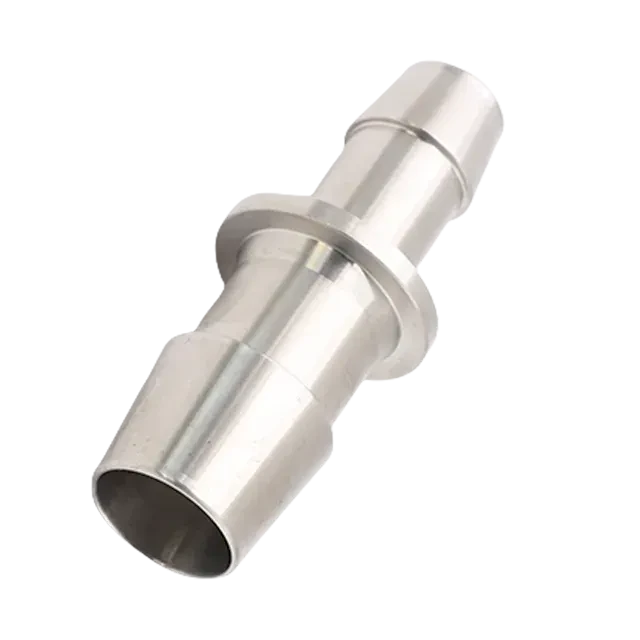
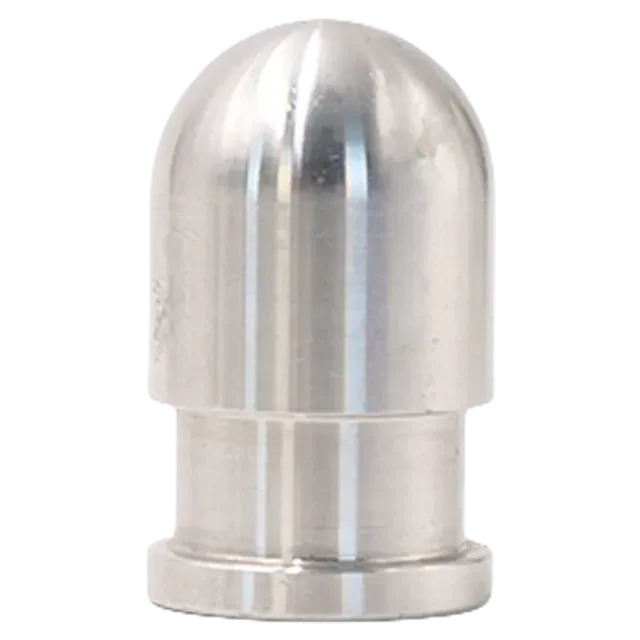
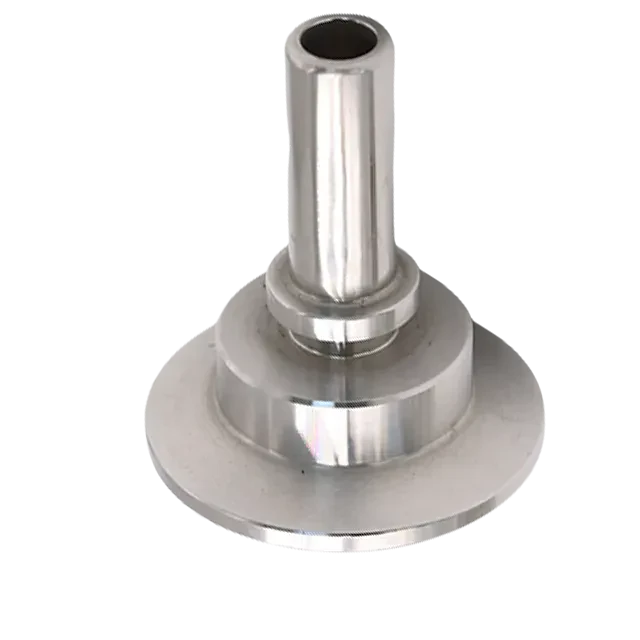
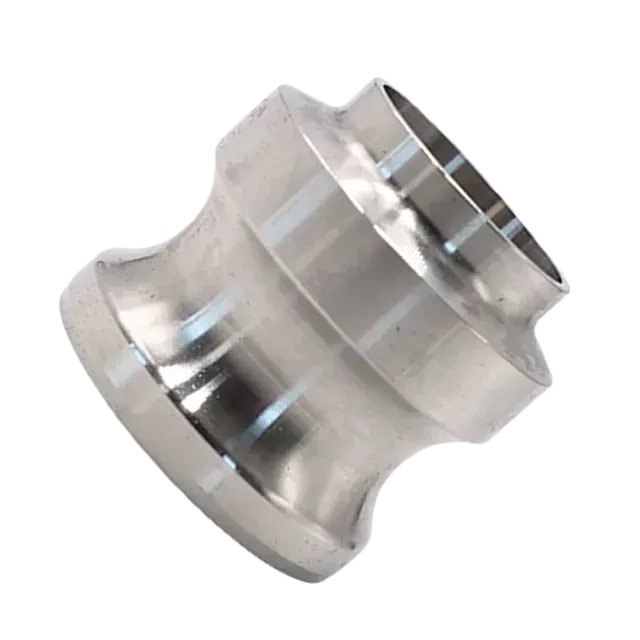
Санитарные короткие переходники Camlock под стыковую сварку из нержавеющей стали пищевого класса
- Бренд
- JONENG
- Модель
- JN-FL 23 2008
- Артикул
- LD-547660968
Резиновый компенсатор, он же расширительный шов или гибкая вставка, — это механическое устройство, предназначенное для восприятия и компенсации перемещений и вибраций в трубопроводных системах, оборудовании и других узлах, где требуется гибкость. Такие компенсаторы играют ключевую роль в предотвращении напряжений, несоосности и повреждений присоединённых элементов.
Описание
Санитарные короткие переходники Camlock под стыковую сварку из нержавеющей стали пищевого класса
Основной компонент резинового компенсатора — сама резина. Применяются различные резиновые смеси, такие как EPDM (этилен-пропилен-диеновый мономер), неопрен, натуральный каучук или другие синтетические каучуковые материалы. Резина обеспечивает гибкость, упругость и способность воспринимать перемещения и вибрации. Сильфон, или гибкий элемент, — это гофрообразная структура, которая позволяет компенсатору изгибаться и воспринимать перемещения в нескольких направлениях. Фланцы и концевые соединения обеспечивают крепление компенсатора к другим элементам трубопроводной системы. Фланцы обычно изготавливают из металла и либо привулканизируют, либо приболчивают к резиновому компенсатору.
Основная функция резинового компенсатора — воспринимать перемещения и вибрации в системе. Гибкий сильфон, или гофрообразная структура, позволяет компенсатору растягиваться, сжиматься и изгибаться в нескольких направлениях, компенсируя осевые, поперечные и угловые перемещения.
Когда трубопроводы или элементы системы подвергаются тепловому расширению или сжатию, осевая гибкость резинового компенсатора позволяет ему соответственно удлиняться или сжиматься, предотвращая недопустимые напряжения в присоединённых элементах. Резиновые компенсаторы также воспринимают поперечные и угловые перемещения, тепловое расширение и сжатие.
Ещё в категории Штуцер для шланга