 English
 简体中文
简体中文
 Русский
 Français
 Português
 العربية
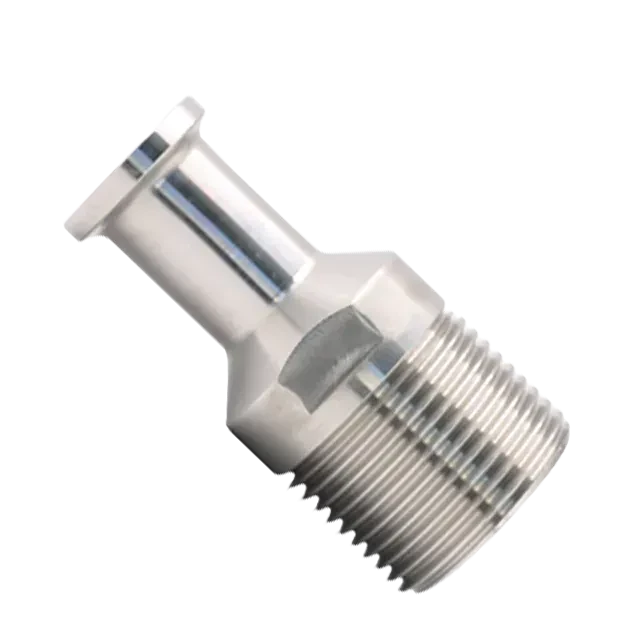
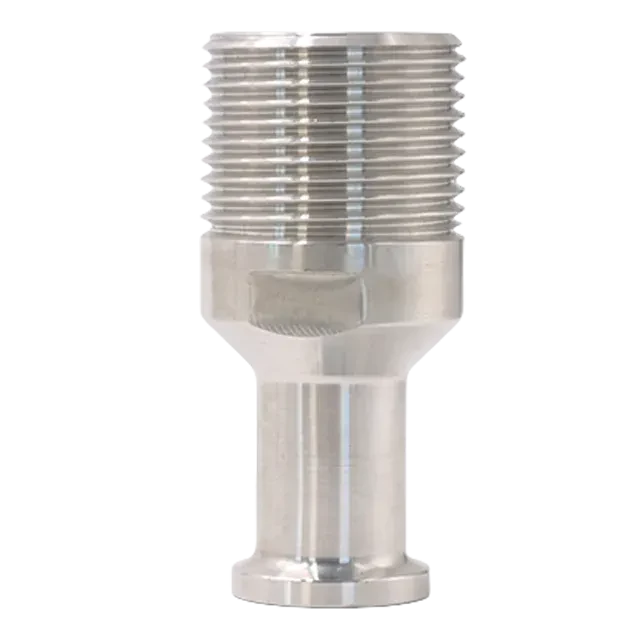
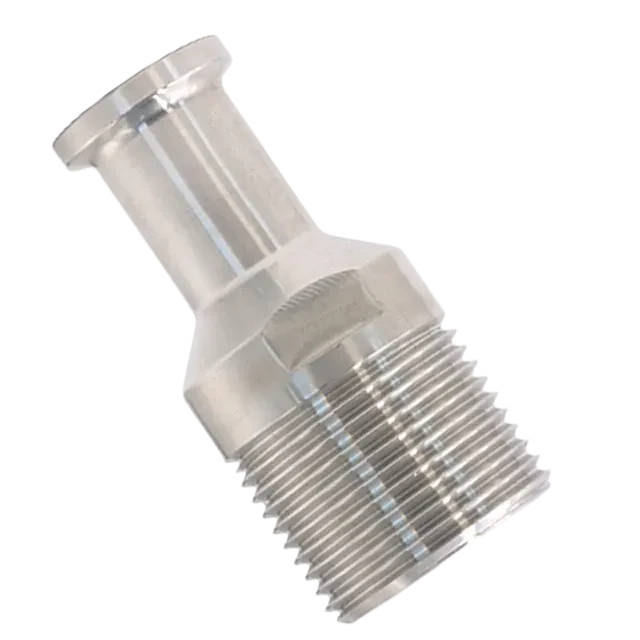
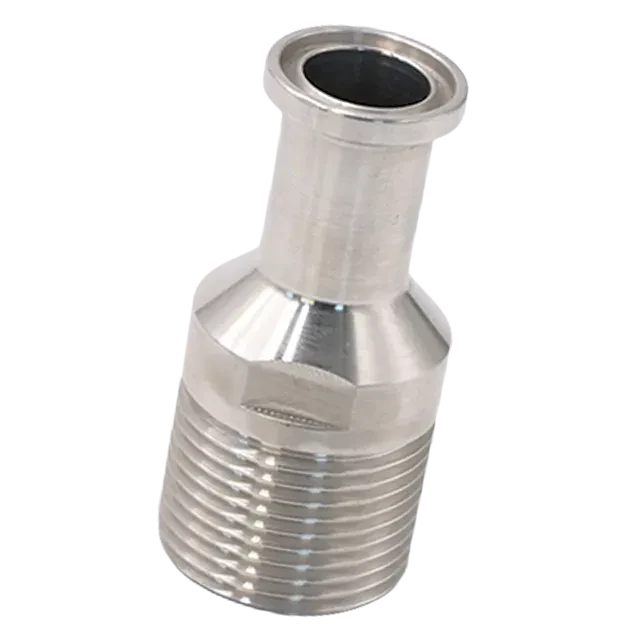
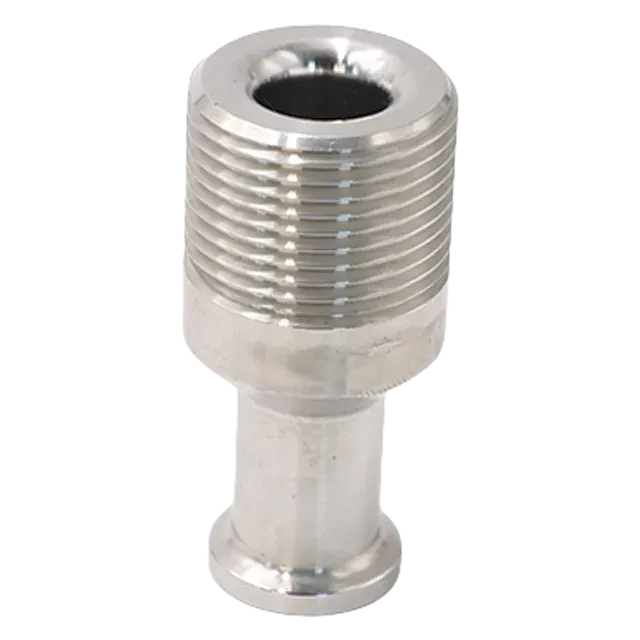
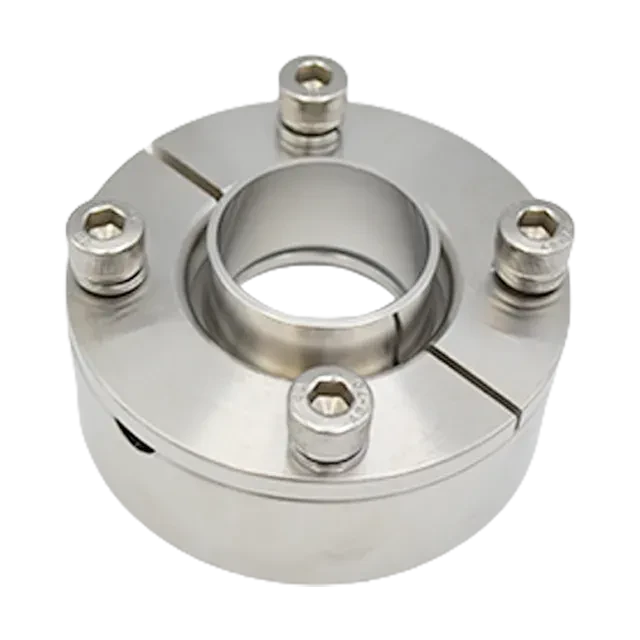
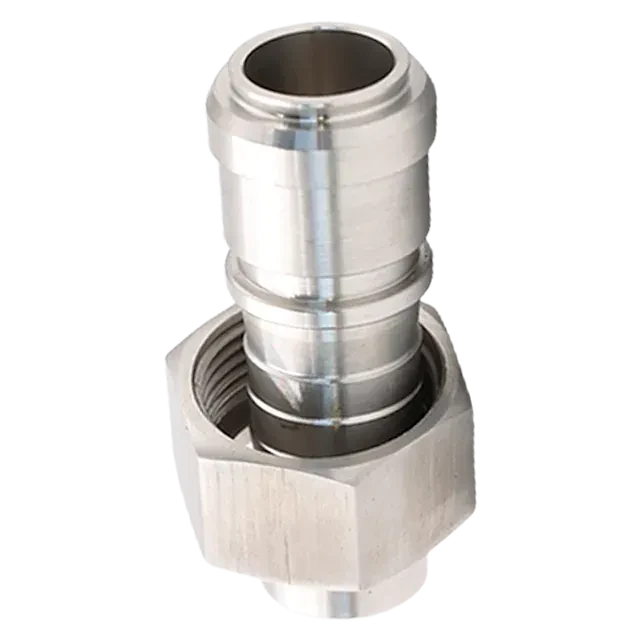
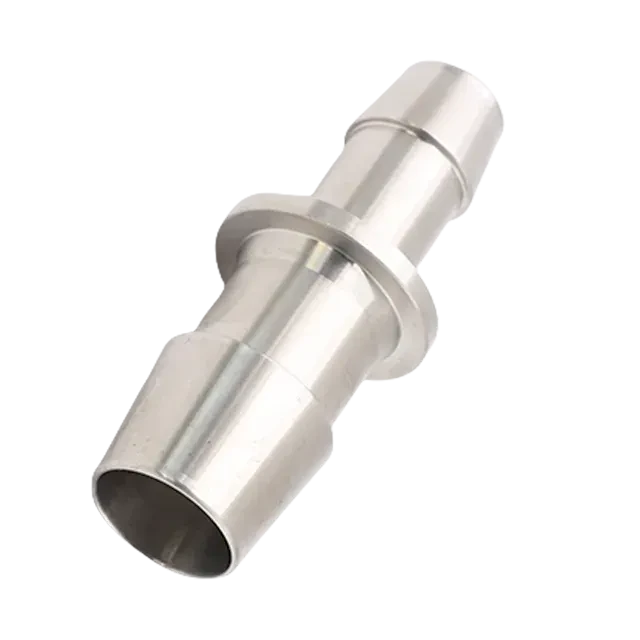
Adaptador para manguera
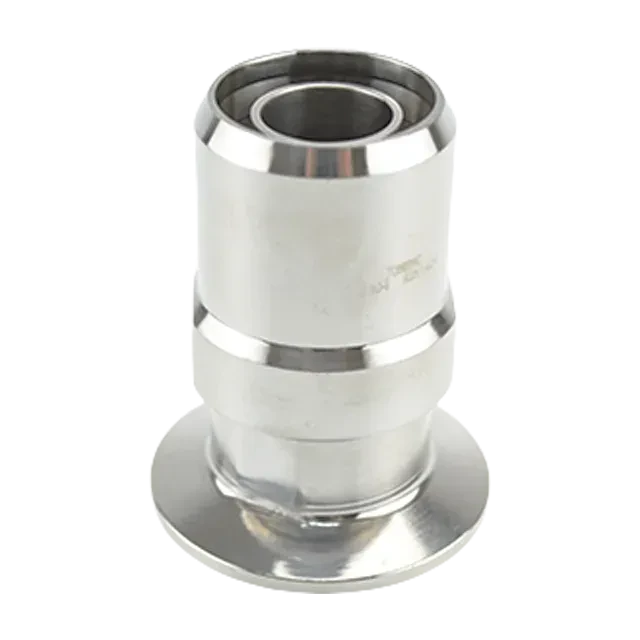
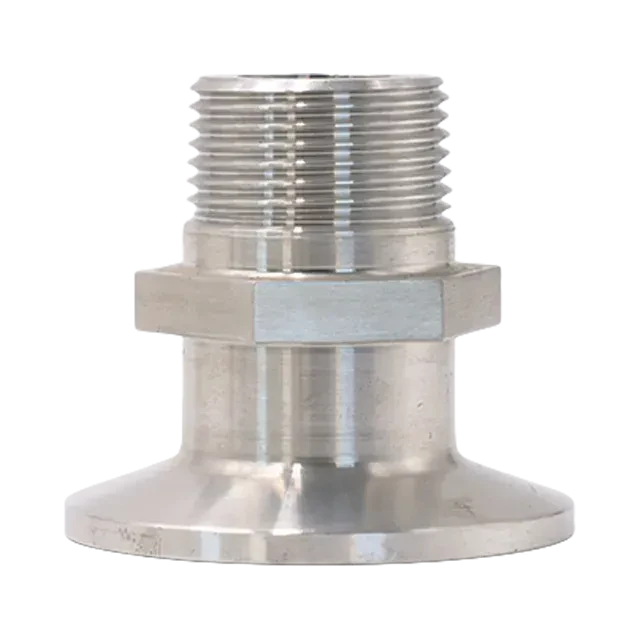
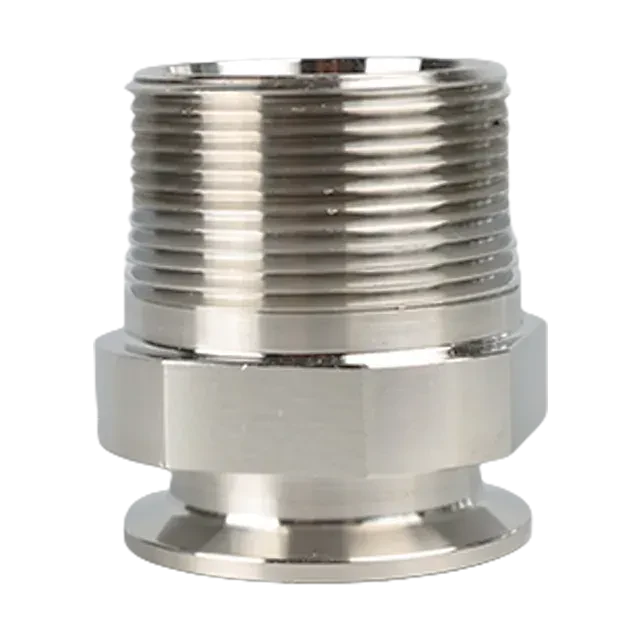
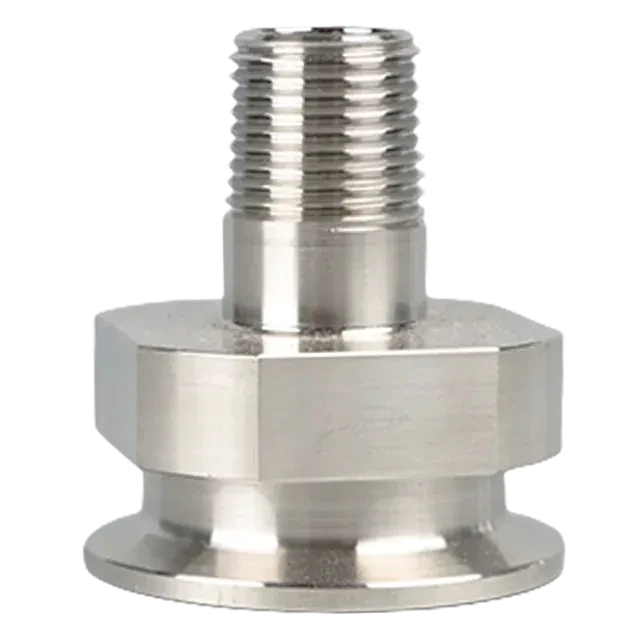
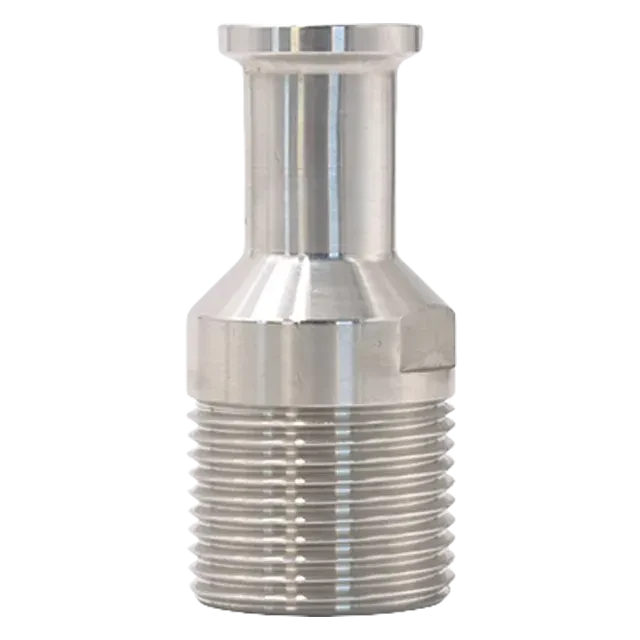
Adaptador de accesorio para tubería hexagonal con rosca macho a ferrule Tri-Clamp NPT en acero inoxidable sanitario
- Marca
- JONENG
- Modelo
- JN-FL 23 2008
- Referencia
- LD-559179868
Una junta de goma, también conocida como junta de expansión o conector flexible, es un tipo de dispositivo mecánico diseñado para absorber y admitir movimientos y vibraciones en sistemas de tuberías, maquinaria u otras aplicaciones donde se requiere flexibilidad. Estas juntas desempeñan un papel fundamental en la prevención de tensiones, desalineaciones y daños en los componentes conectados.
Descripción
Adaptador de accesorio de tubería con rosca macho a ferrule Tri-Clamp NPT en acero inoxidable sanitario
El componente principal de una junta de goma es el propio elastómero. Se pueden utilizar diversos tipos de compuestos de caucho, tales como EPDM (monómero de etileno propileno dieno), neopreno, caucho natural u otros materiales de caucho sintético. El caucho proporciona flexibilidad, resiliencia y la capacidad de absorber movimientos y vibraciones. El fuelle o elemento flexible es la estructura tipo acordeón que permite que la junta de goma flexione y absorba movimientos en múltiples direcciones. Las bridas y conexiones de extremo facilitan la fijación de la junta a otros componentes del sistema de tuberías. Las bridas suelen estar fabricadas en metal y van vulcanizadas o empernadas a la junta de goma.
La función principal de una junta de goma es absorber movimientos y vibraciones en un sistema. El fuelle flexible o estructura tipo acordeón de la junta de goma le permite expandirse, contraerse y curvarse en múltiples direcciones, absorbiendo movimientos axiales, laterales y angulares.
Cuando las tuberías o los componentes de un sistema experimentan dilatación o contracción térmica, la flexibilidad axial de la junta de goma le permite alargarse o comprimirse en consecuencia, evitando esfuerzos excesivos en los componentes conectados. Las juntas de goma también pueden absorber movimientos laterales, movimientos angulares, dilatación y contracción térmica.
Más en Adaptador para manguera