

JONENG Sanitary Flow — Home

Your quotation list

Nothing on the list yet. Add a product from its page and it will wait for you here.

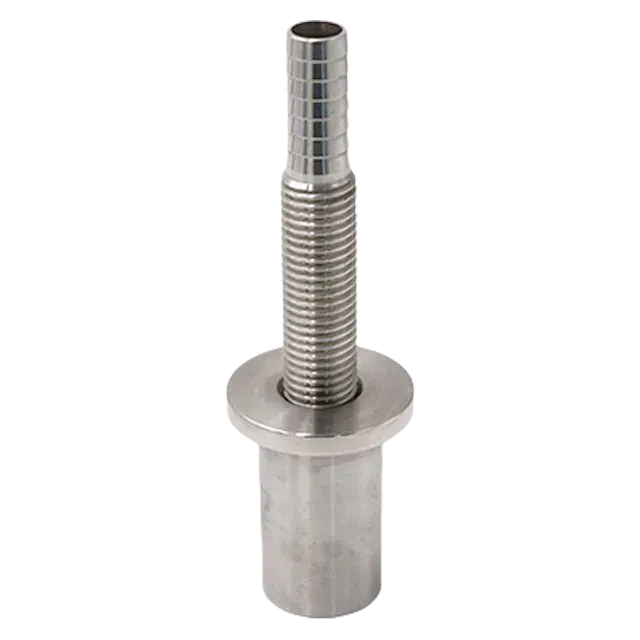
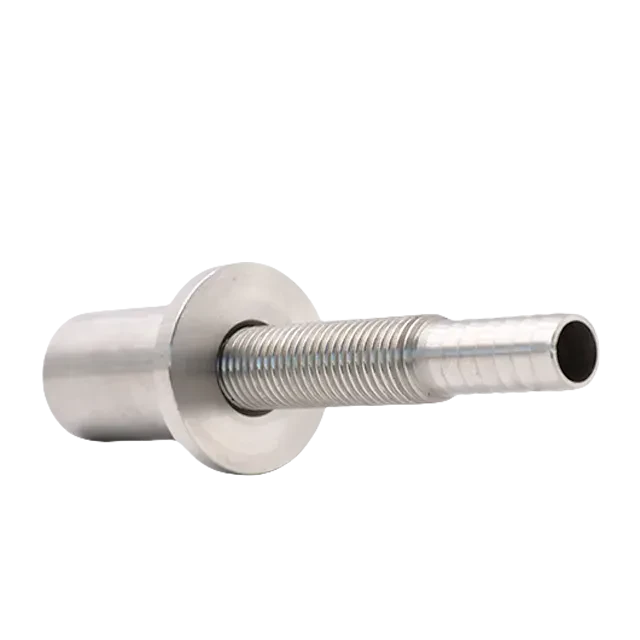
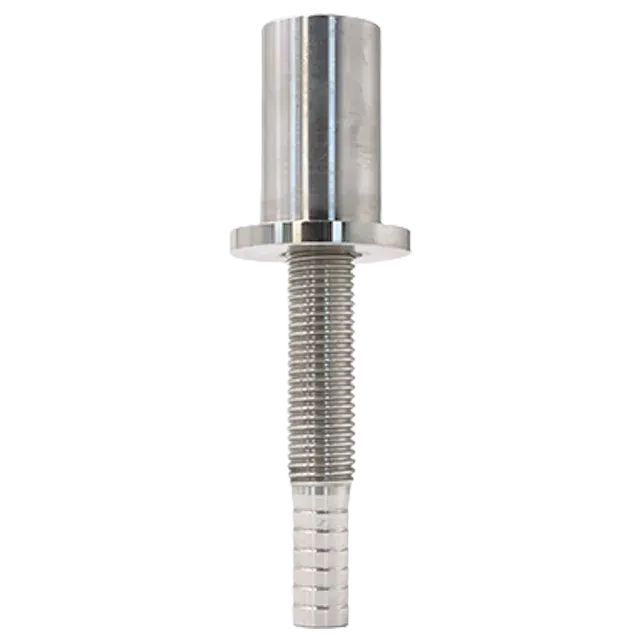
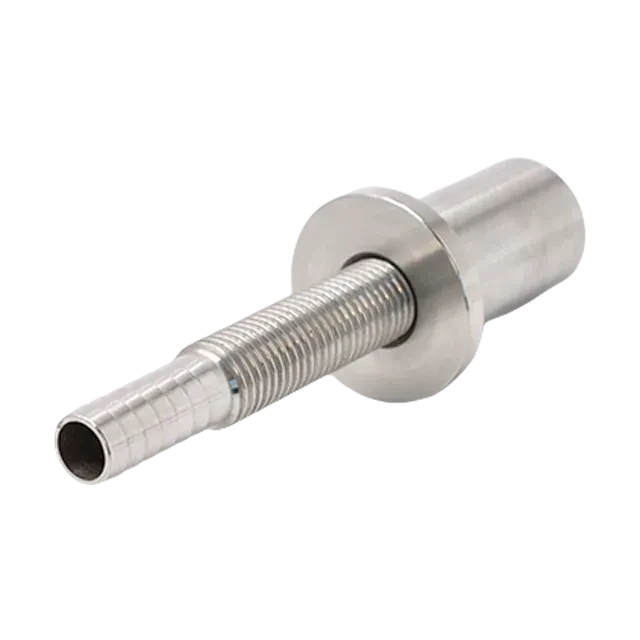
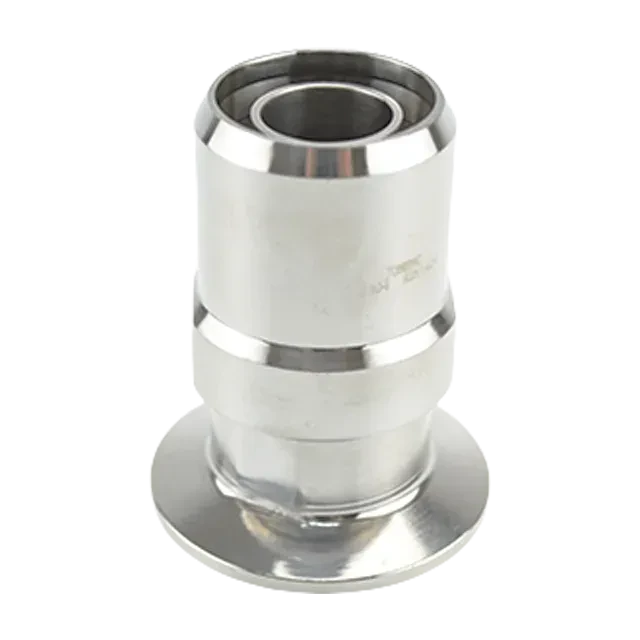
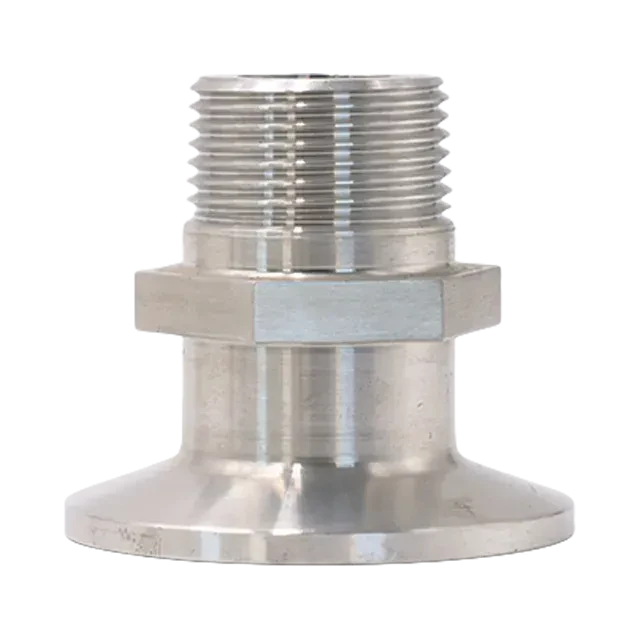
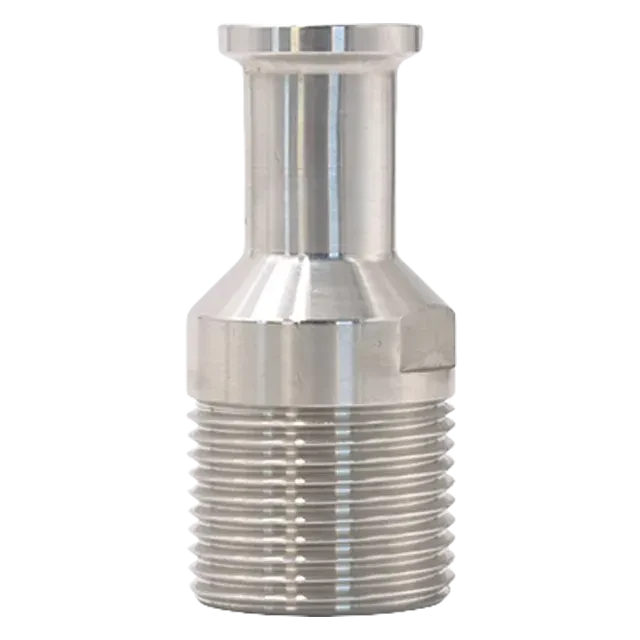
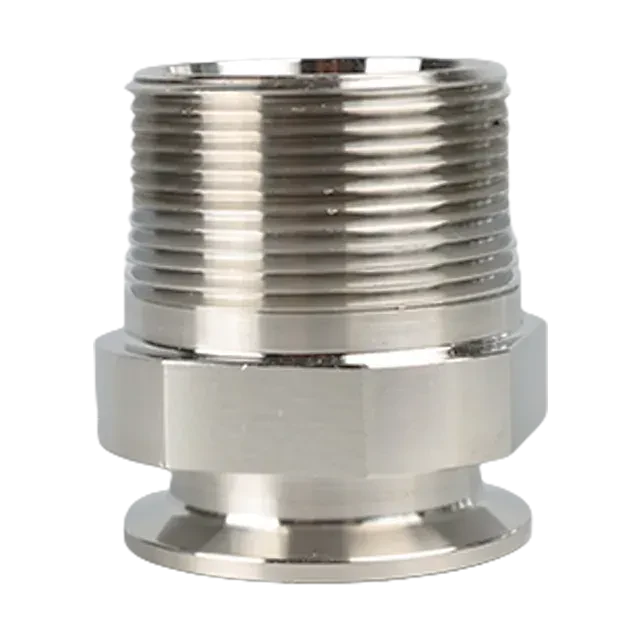
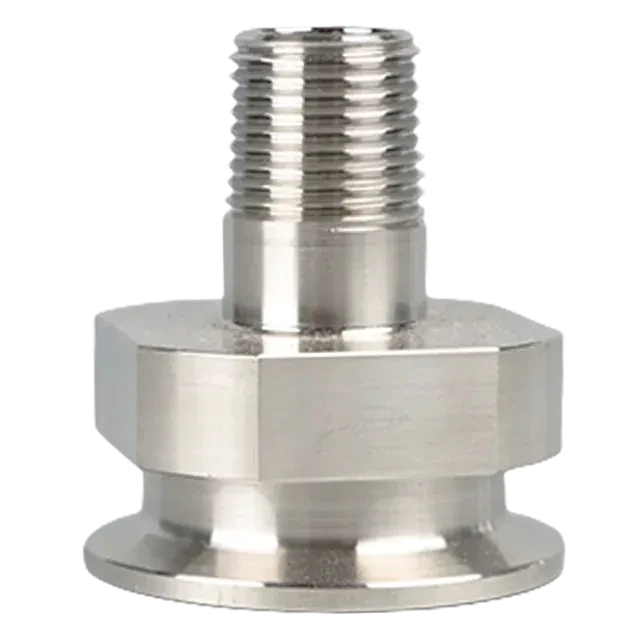
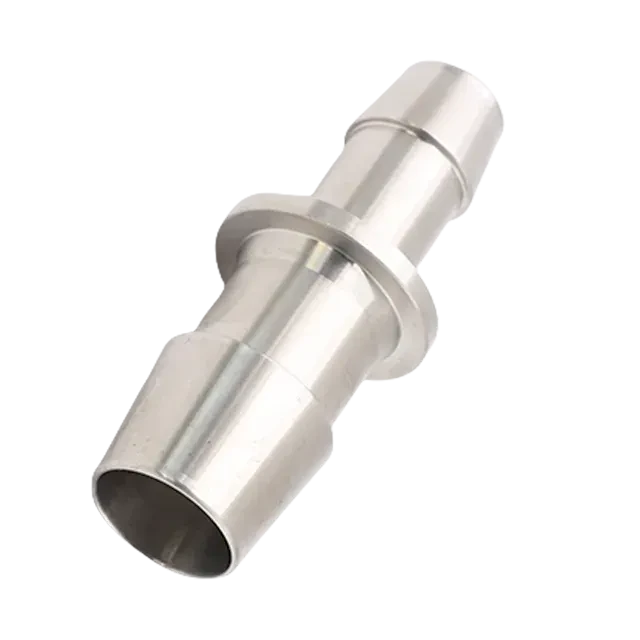
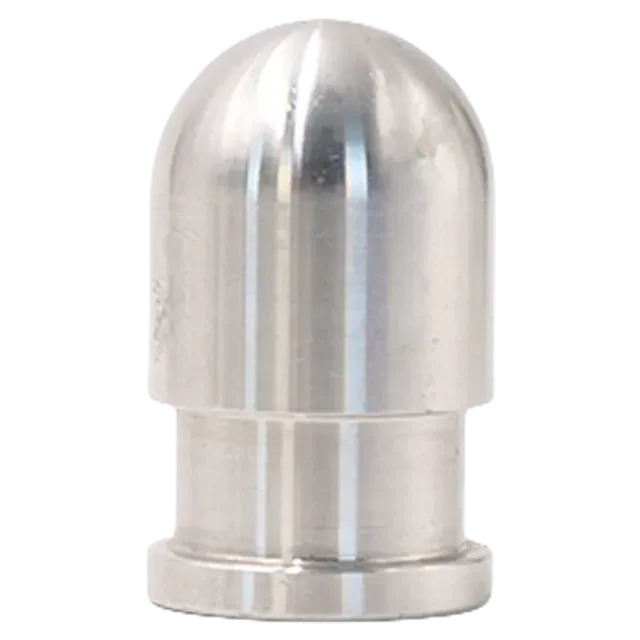
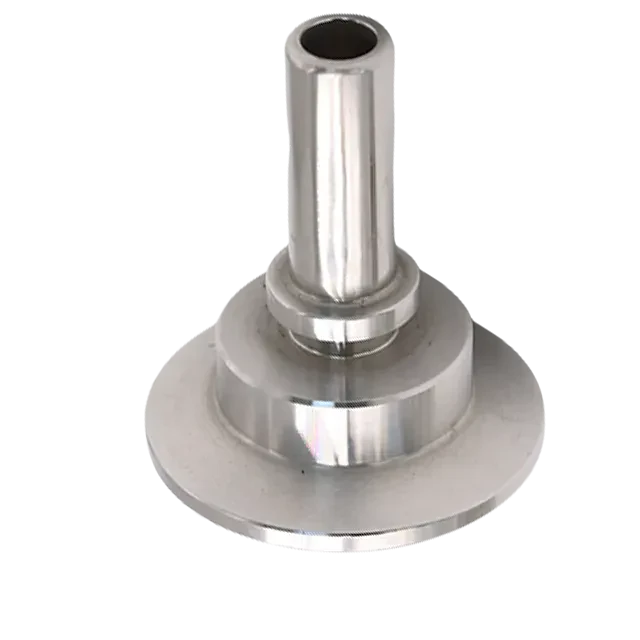
Sanitary Stainless Steel Food Grade Hose Barb Threaded Straight  Adaptor Fitting — 1/6

Hose Adaptor

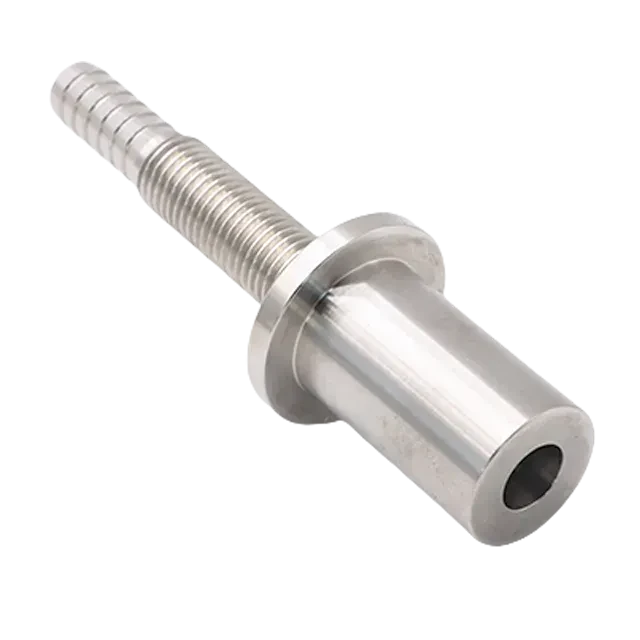
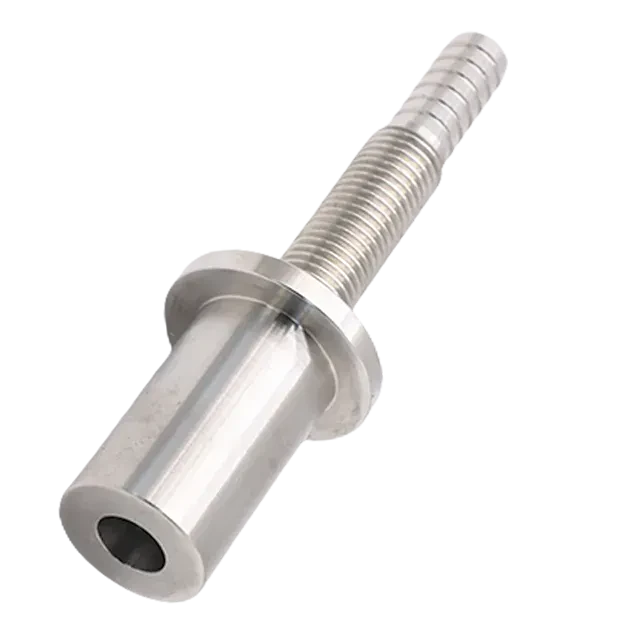
Sanitary Stainless Steel Food Grade Hose Barb Threaded Straight Adaptor Fitting

Brand
JONENG
Model
JN-FL 23 2008
Part number
LD-576270968

A rubber joint, also known as an expansion joint or flexible connector, is a type of mechanical device designed to absorb and accommodate movement and vibration in piping systems, machinery, or other applications where flexibility is required. These joints play a crucial role in preventing stress, misalignment, and damage to connected components.

Share this product

Sanitary Stainless Steel Food Grade Hose Barb Threaded Straight Adaptor Fitting

Scan to open on a phone

Point a camera at the square to carry this page onto the factory floor.

Send it to yourself

We will email you this product and its datasheet.

Request a quotation

Sanitary Stainless Steel Food Grade Hose Barb Threaded Straight Adaptor Fitting

LD-576270968 Quantity: 1

Need more than one product? Use the quotation list

Description

The primary component of a rubber joint is the rubber itself. Various types of rubber compounds may be used,  such as EPDM (ethylene propylene diene monomer), neoprene, natural rubber,  or other synthetic rubber materials. The rubber provides flexibility, resilience,  and the ability to absorb movement and vibrations. The bellows or flexing element is the accordion-like structure that  allows the rubber joint to flex and absorb movements in multiple directions. Flanges and end connections that facilitate  the attachment of the joint to other components in the piping system. Flanges are commonly made of metal and are either  bonded or bolted to the rubber joint.

The primary function of a rubber joint is to absorb movements and vibrations in a system. The flexible bellows or  accordion-like structure of the rubber joint allows it to expand, contract, and bend in multiple directions,  accommodating axial, lateral, and angular movements.

When pipes or components in a system undergo thermal expansion or contraction,  the rubber joint's axial flexibility allows it to elongate or compress accordingly,  preventing undue stress on the connected components. Rubber joints can also accommodate lateral movements,  angular movements, thermal expansion and contraction.