 简体中文
简体中文
 Español
 Русский
 Français
 Português
 العربية
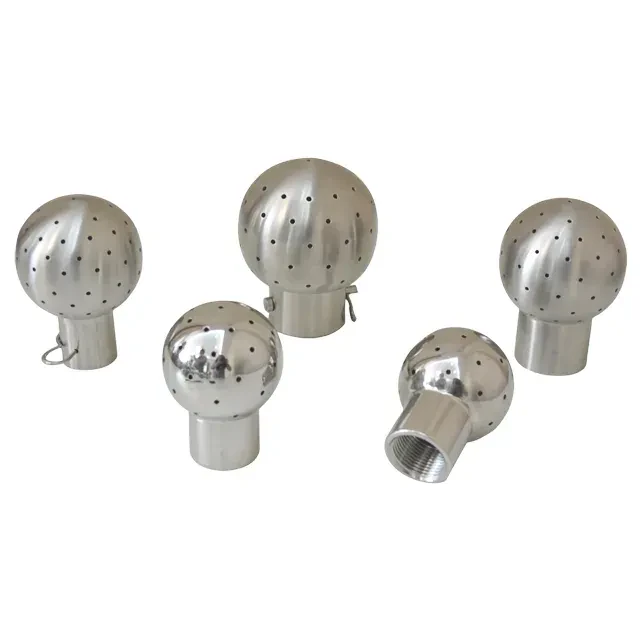
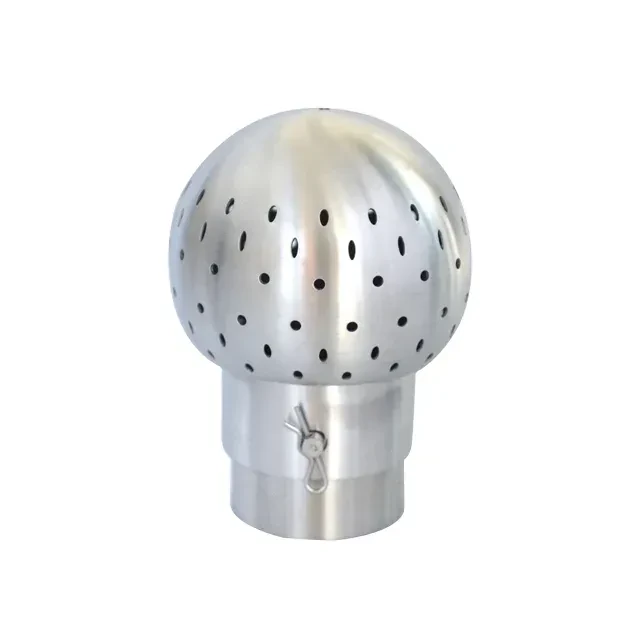
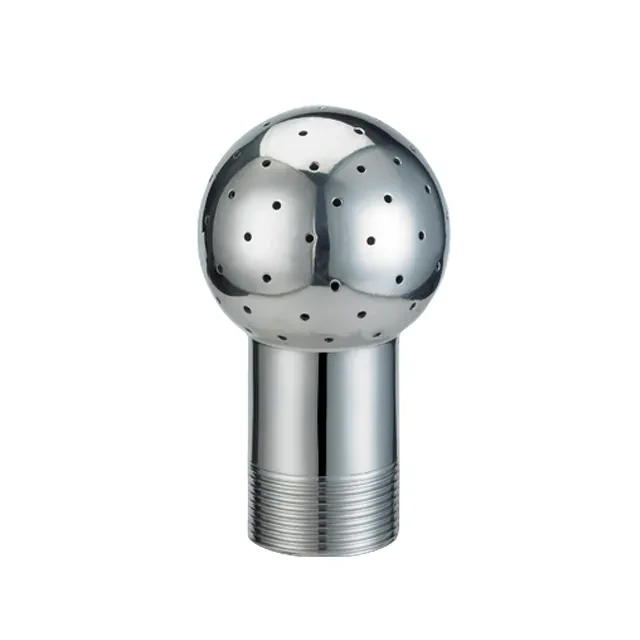
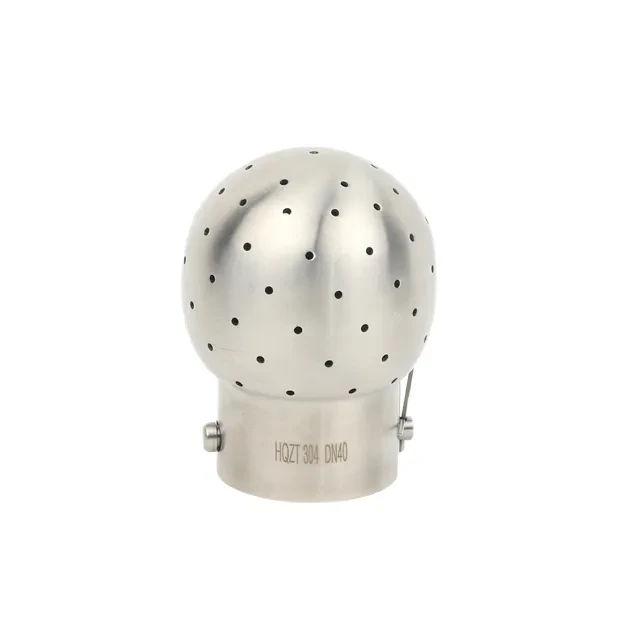
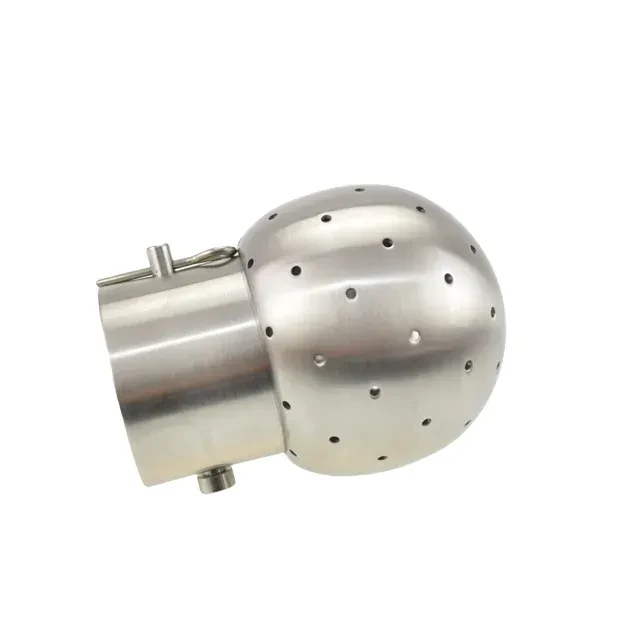
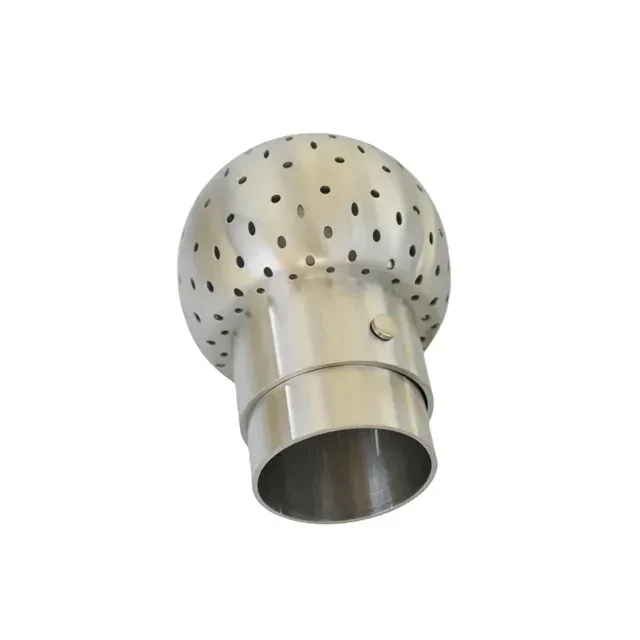
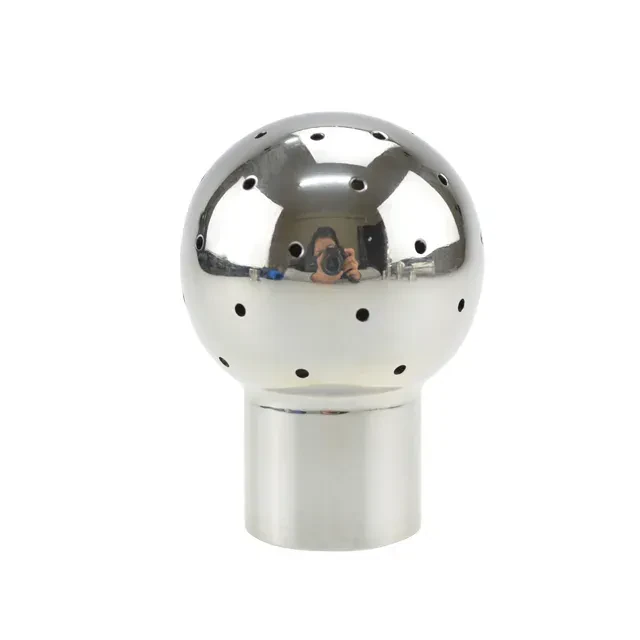
Fixed Spray Ball
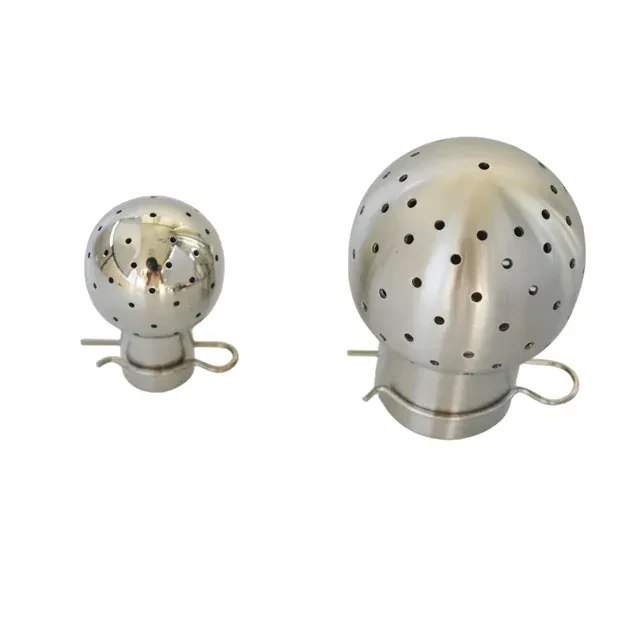
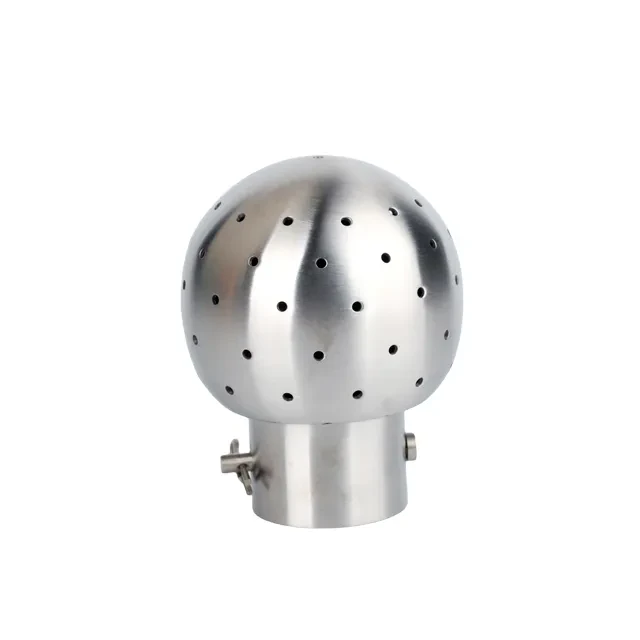
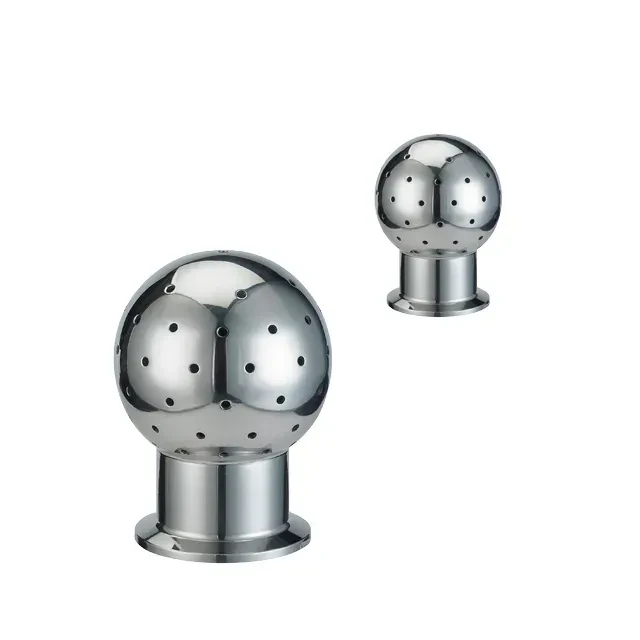
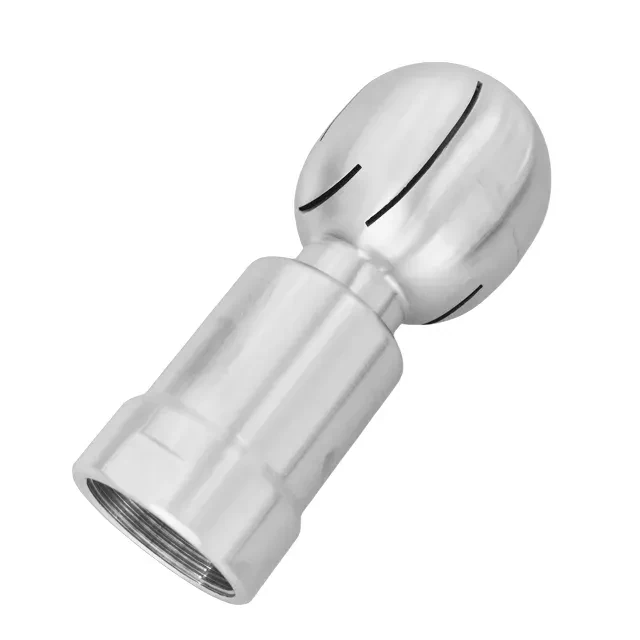
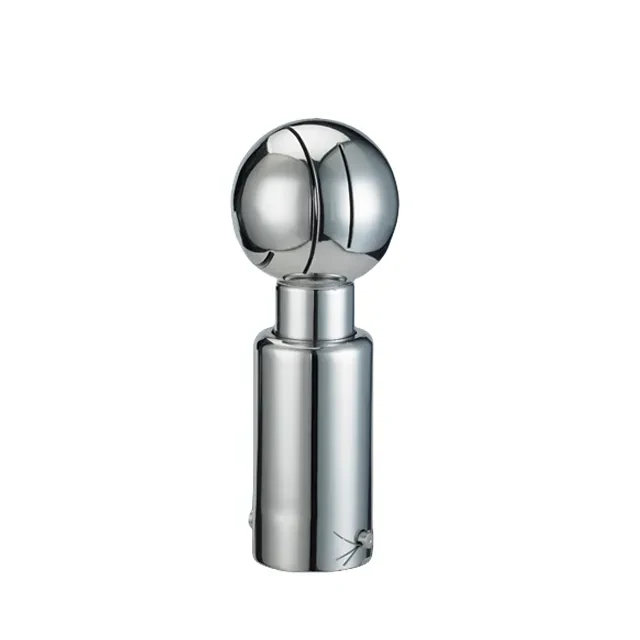
Stainless Steel Sanitary Fixed Pin Internal Thread Cleaning Ball
- Brand
- JONENG
- Part number
- LD-797809488
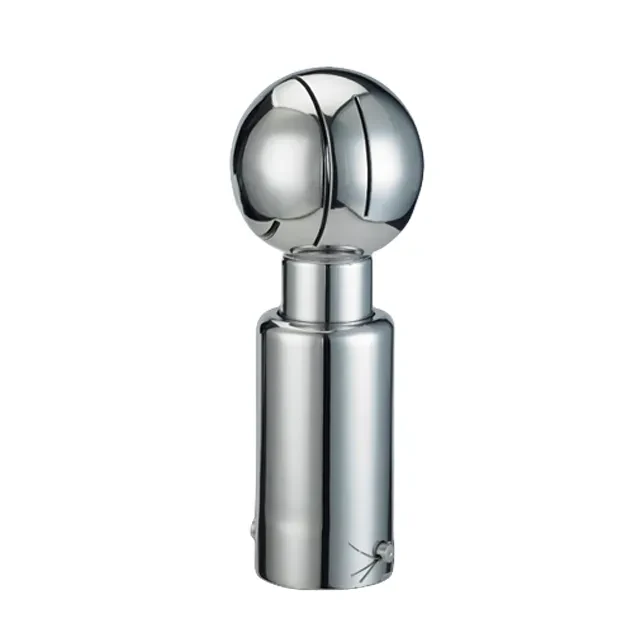
The stainless steel sanitary fixed pin internal thread cleaning ball is a device used for cleaning the inner wall of the pipeline, designed to remove scale, dirt and microorganisms in the pipeline through the impact force generated by rotation or movement. The stainless steel sanitary fixed pin internal thread cleaning ball is usually installed in sanitary pipelines in the food, beverage, pharmaceutical and other industries, especially at the bends, ends or branches of the pipeline.
Description
The stainless steel sanitary fixed pin internal thread cleaning ball is designed to keep the inside of the pipeline clean and sterile in a production environment with high sanitation requirements. It automatically removes scale, microorganisms and impurities in the pipeline by fixing it inside the pipeline and using the impact force of the liquid flow, avoiding the tedious process of manual cleaning. It is designed to ensure the continuous and efficient operation of pipelines in the food, beverage, pharmaceutical and other industries, while effectively preventing pollutant residues, reducing equipment maintenance costs, and improving safety and hygiene levels in the production process, thereby meeting strict hygiene standards and quality control requirements.
More in Fixed Spray Ball