 简体中文
简体中文
 Español
 Русский
 Français
 Português
 العربية

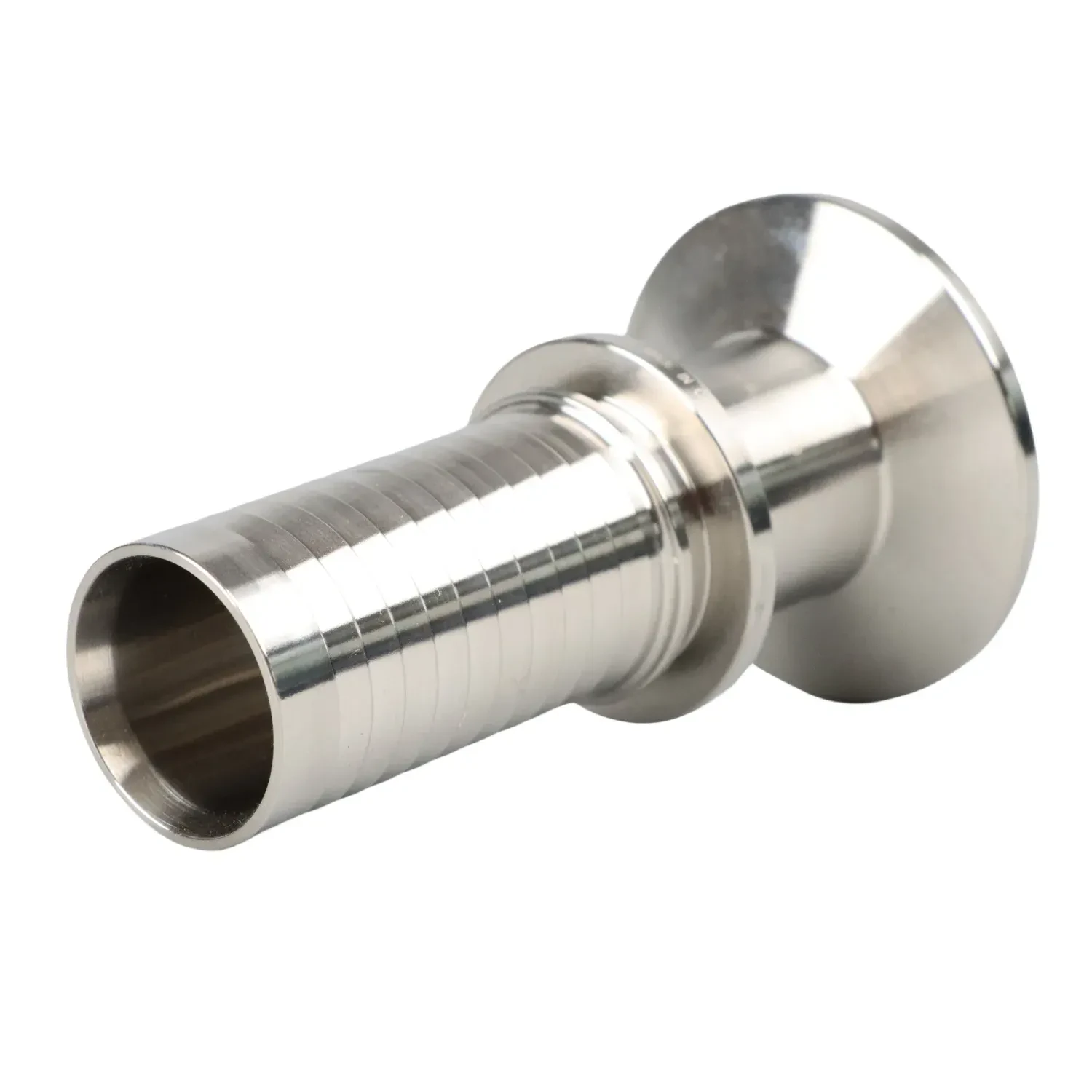
Hose Adaptor
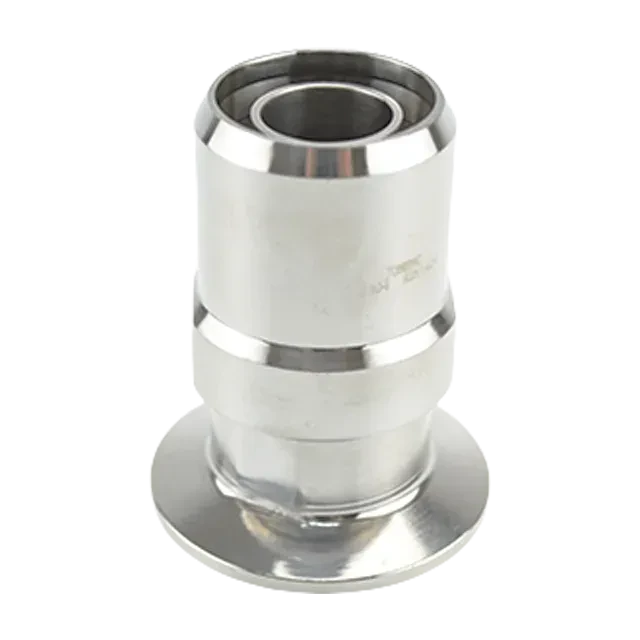
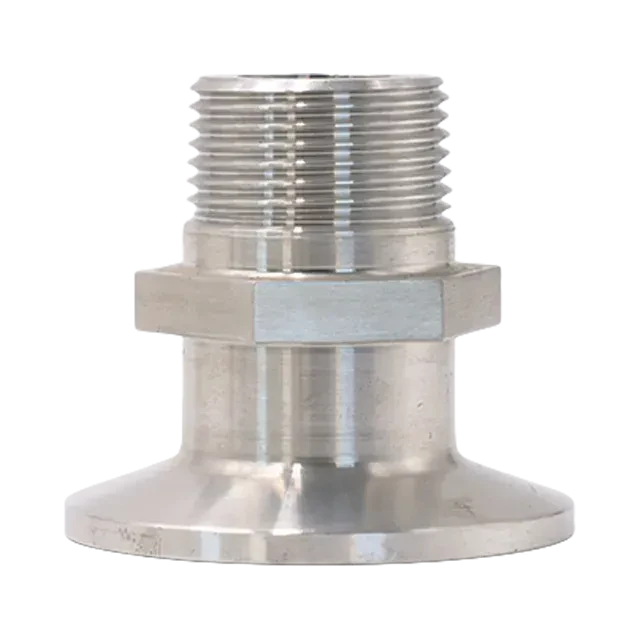
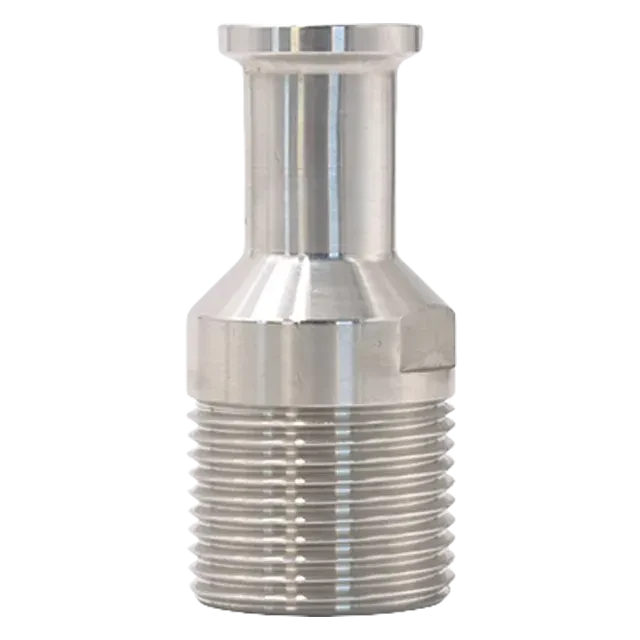
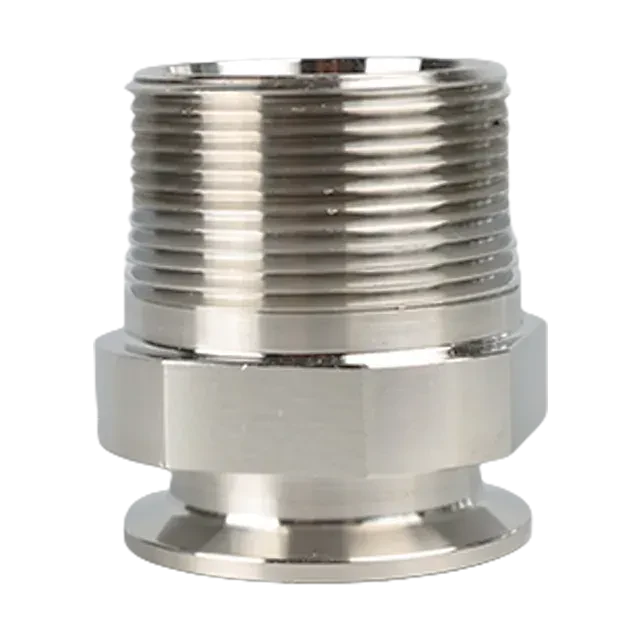
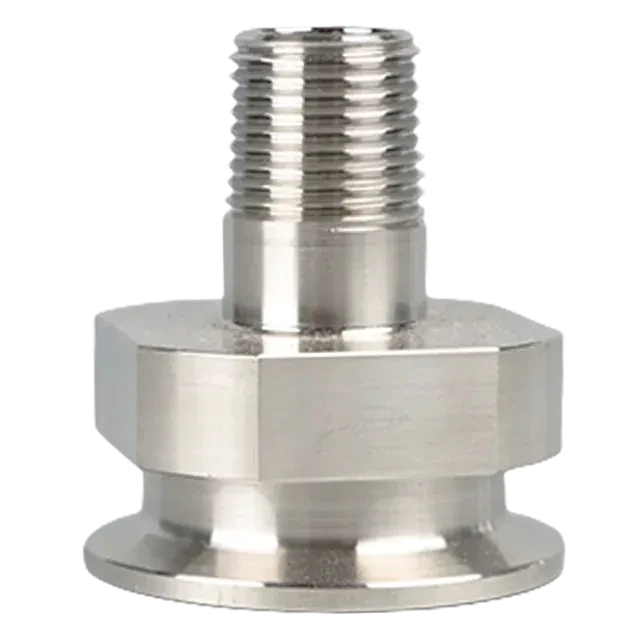
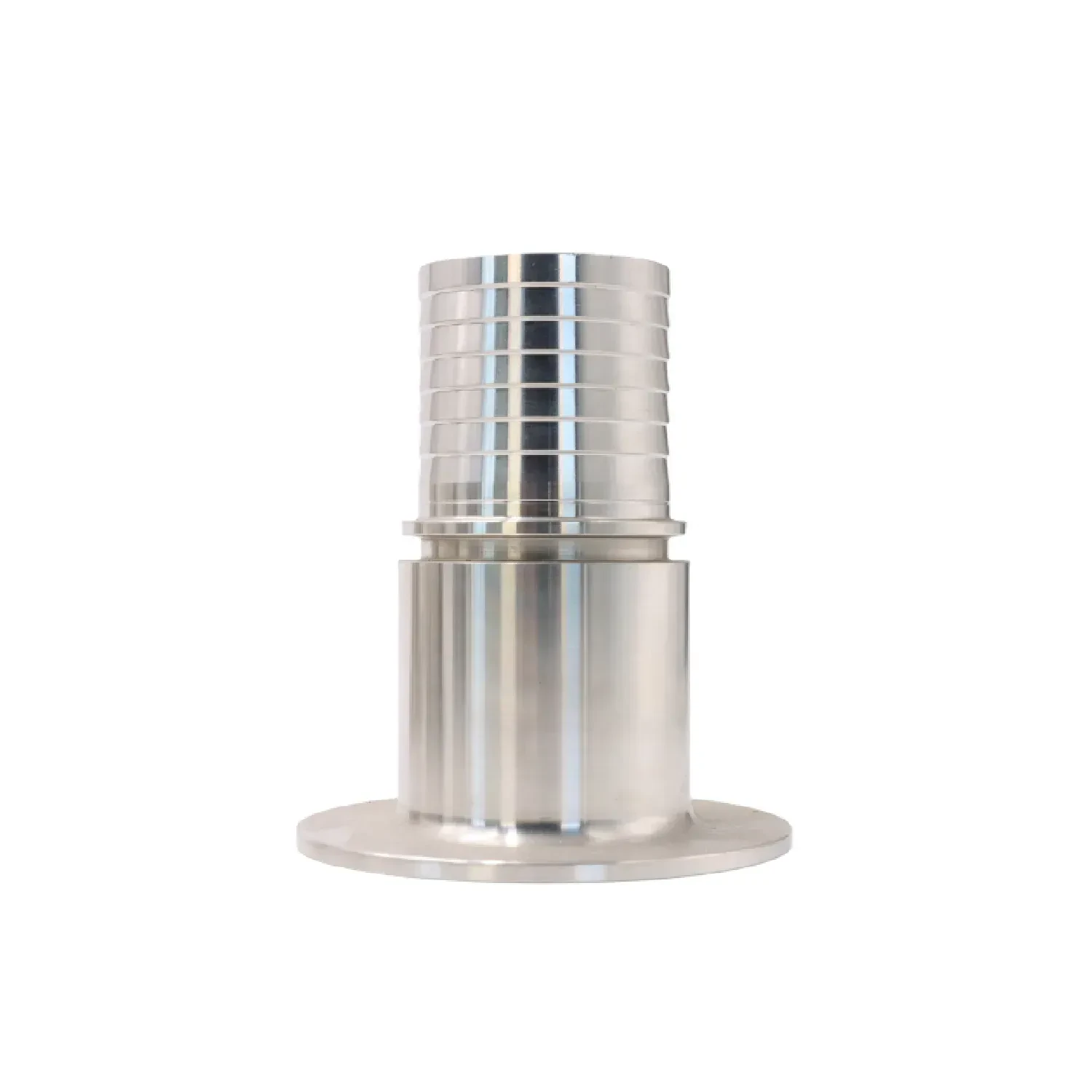
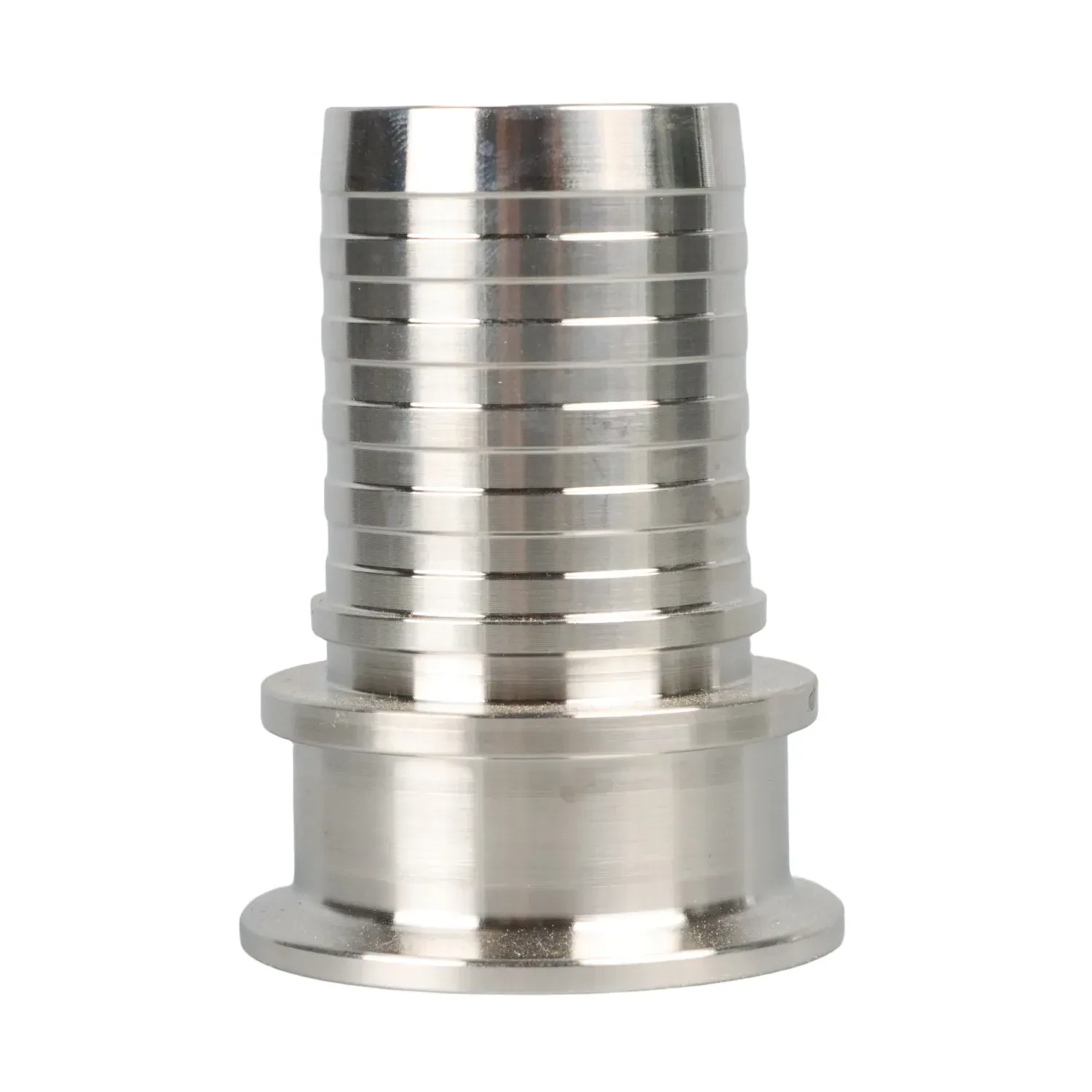
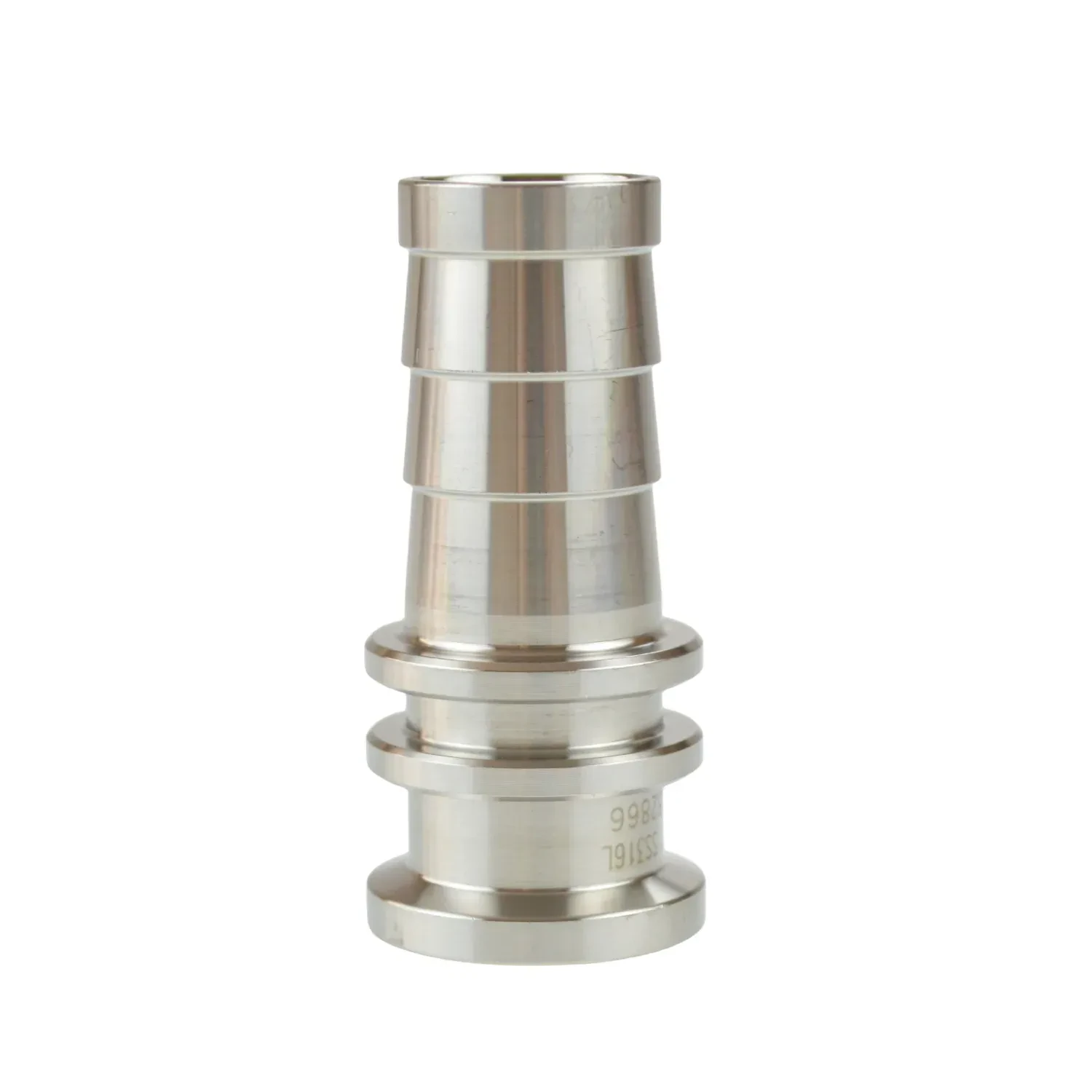
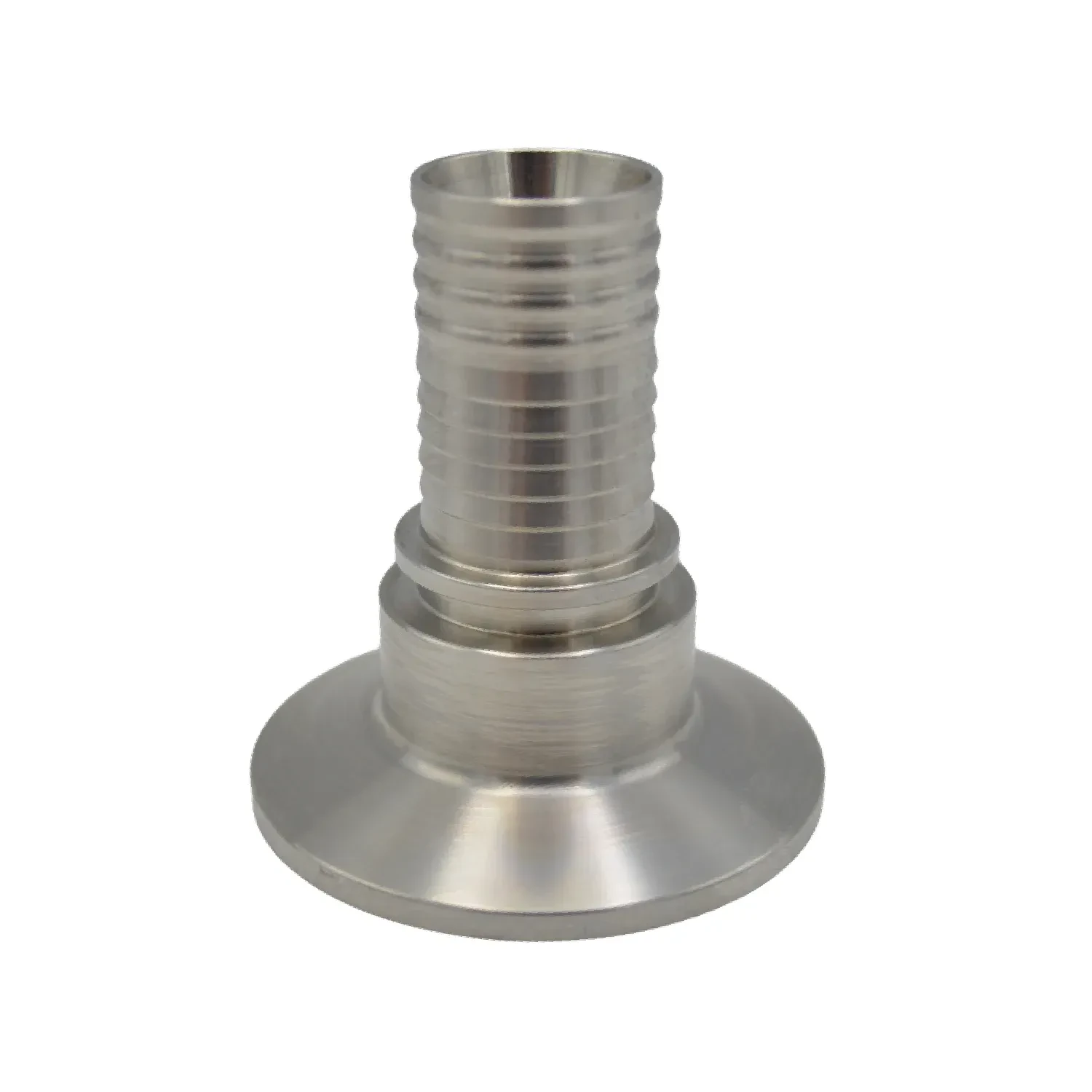
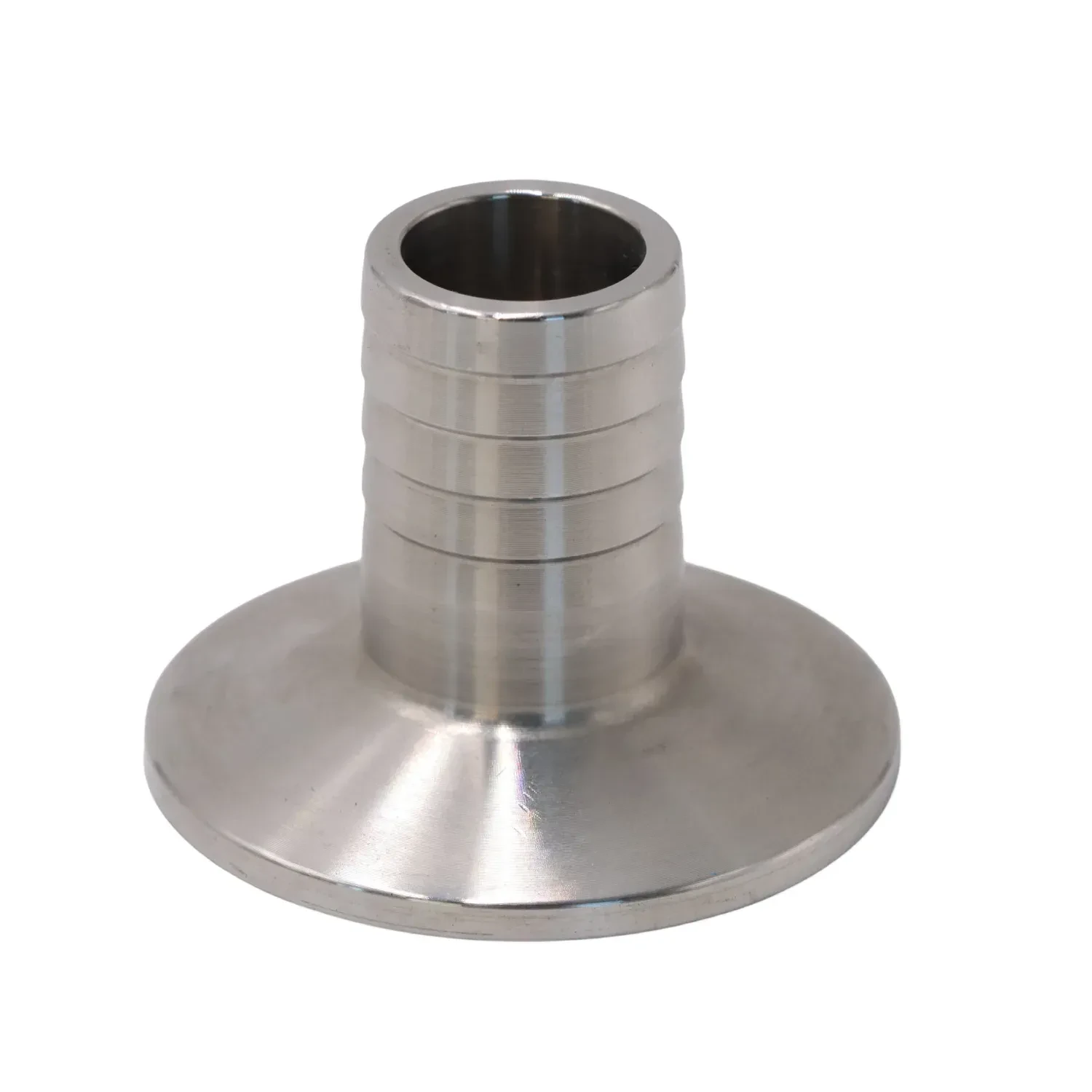
Stainless Steel Sanitary High Pressure Thread Clamped Hose Coupling Nipple
- Brand
- JONENG
- Model
- JN-FL 23 2008
- Part number
- LD-547069878
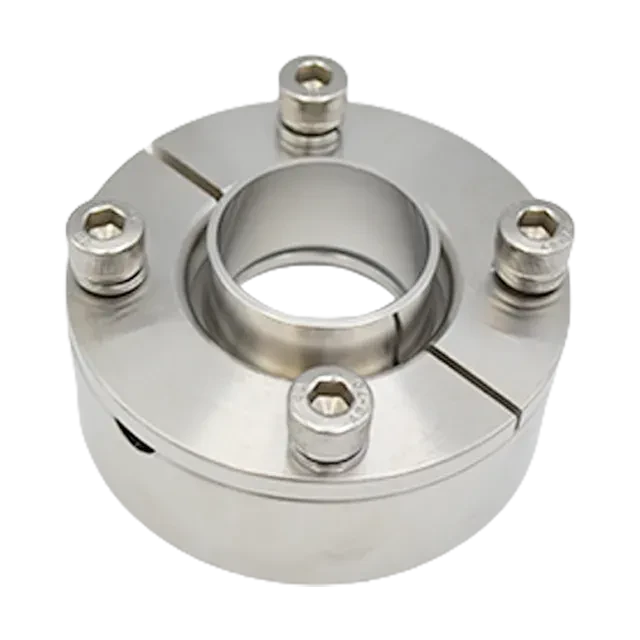
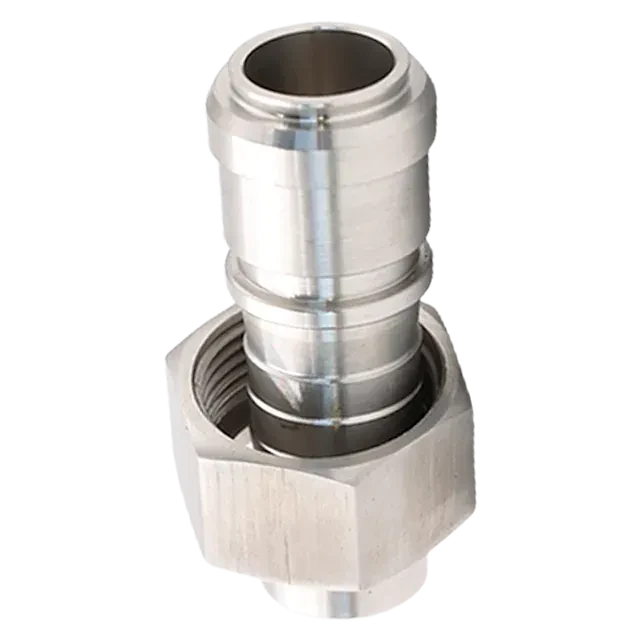
The stainless steel sanitary hose connector is a device used to connect the hose to the pipeline system. The design of this connector ensures quick and easy installation and removal, and can provide strong tensile resistance to prevent the connector from loosening due to pipeline pressure or fluid vibration. Stainless steel sanitary hose connectors are usually used in fluid delivery systems in the food, pharmaceutical, chemical and other industries, and are installed in the pipeline part where the hose needs to be connected. The types of stainless steel sanitary hose connectors mainly include the following: single connector type, double connector type, clamp type, welding type, quick connection type, and reducer type.
Description
The stainless steel sanitary hose connector is designed to provide efficient and reliable connection solutions in fluid delivery systems that require strict hygiene standards. It connects the hose to the pipeline or equipment tightly through threads, clamps or other connection methods to ensure no leakage and no pollution. Its material is stainless steel, which has strong corrosion resistance, high temperature resistance and pressure resistance, and is suitable for food, pharmaceutical, chemical and other industries. The design takes into account easy disassembly, cleaning and maintenance to ensure that the system can maintain a high hygienic state after each use, thereby avoiding cross contamination and ensuring the purity and safety of fluid delivery.
More in Hose Adaptor