 简体中文
 Español
 Русский
 Français
 Português
 العربية
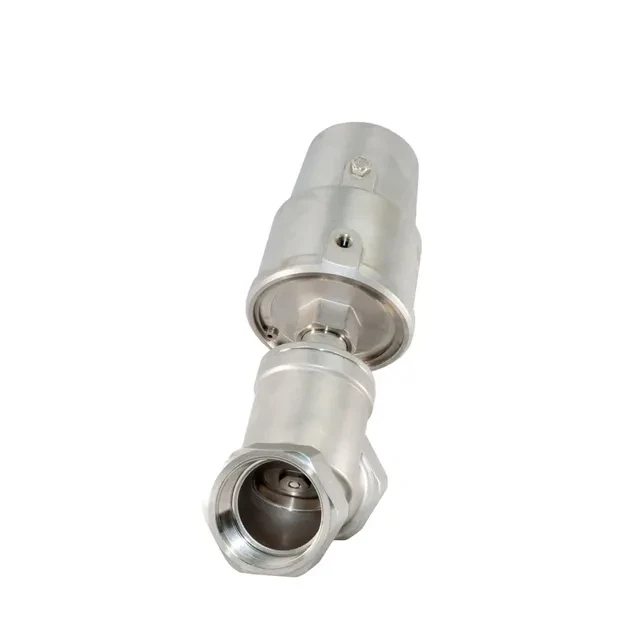
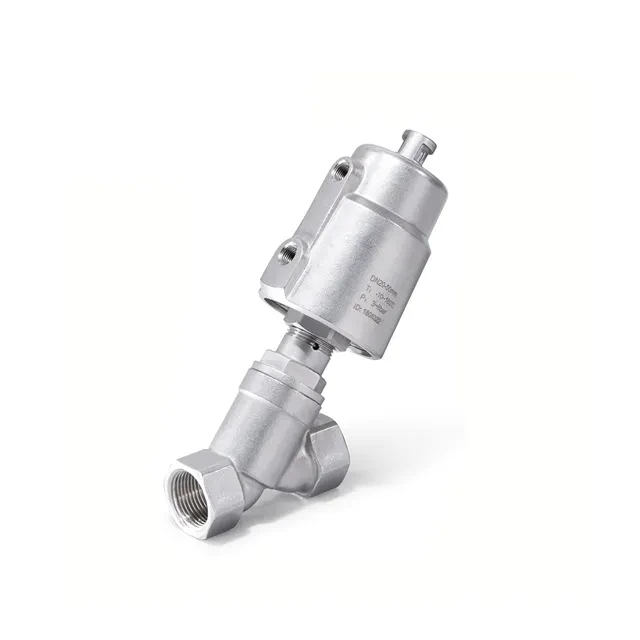
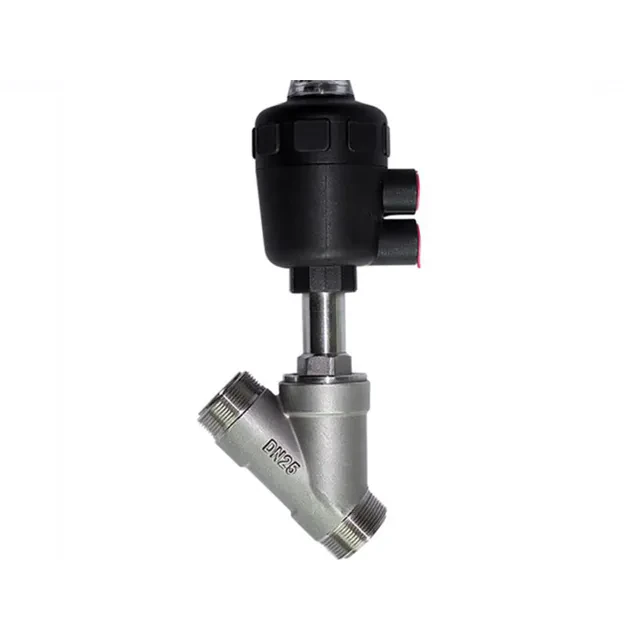
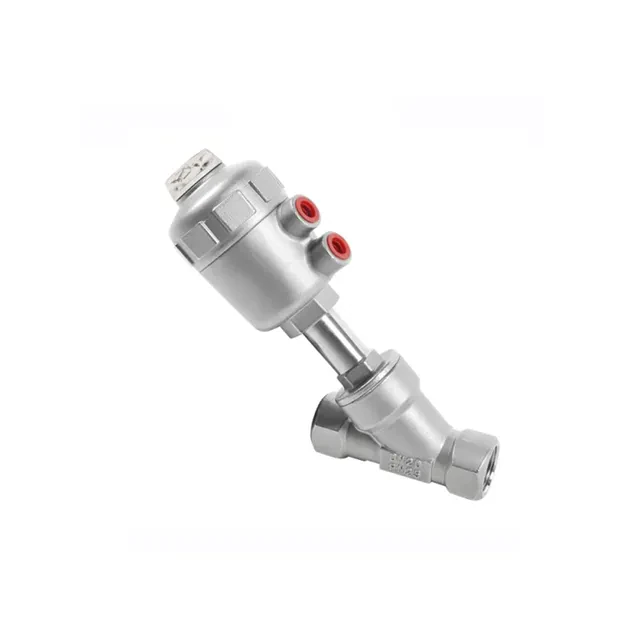
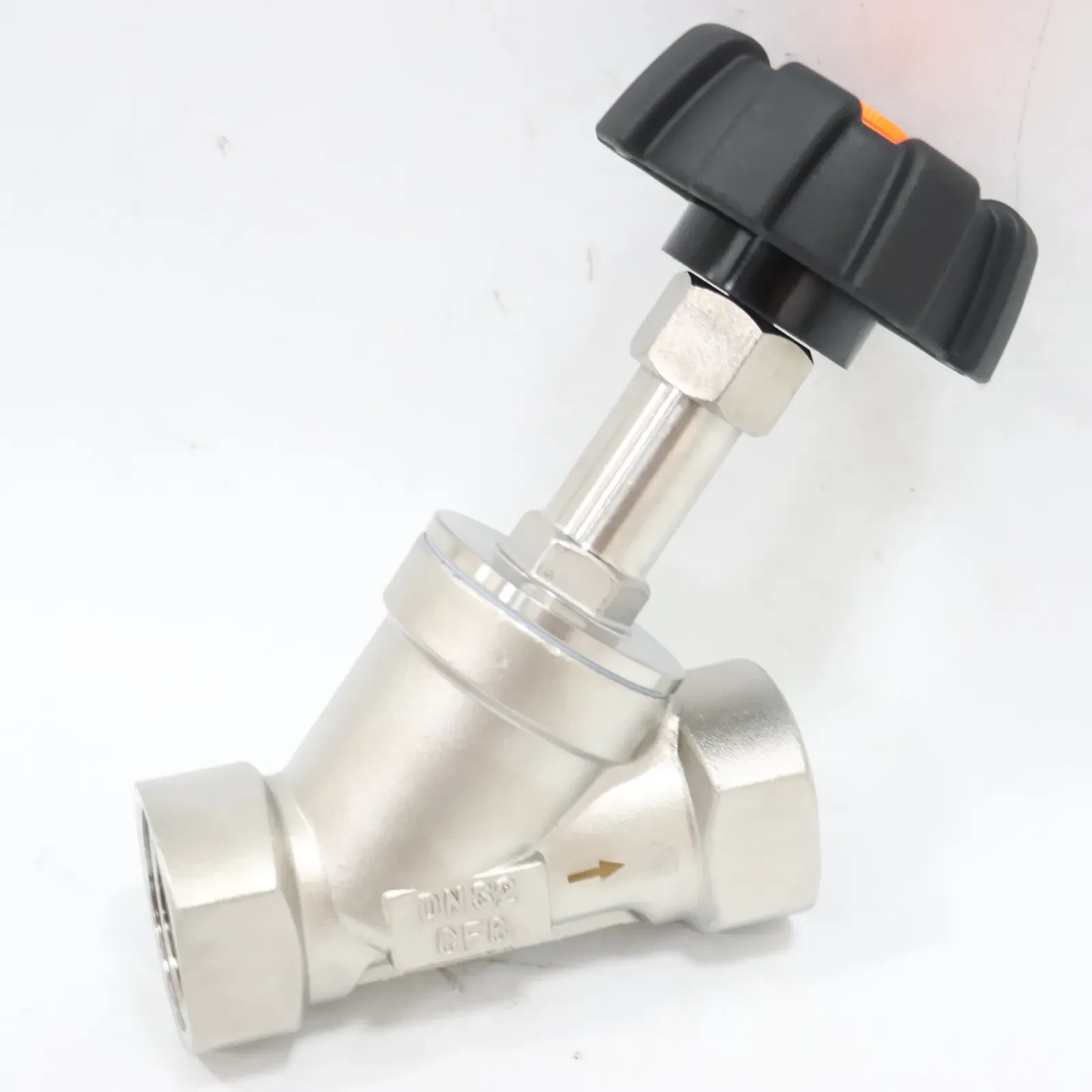
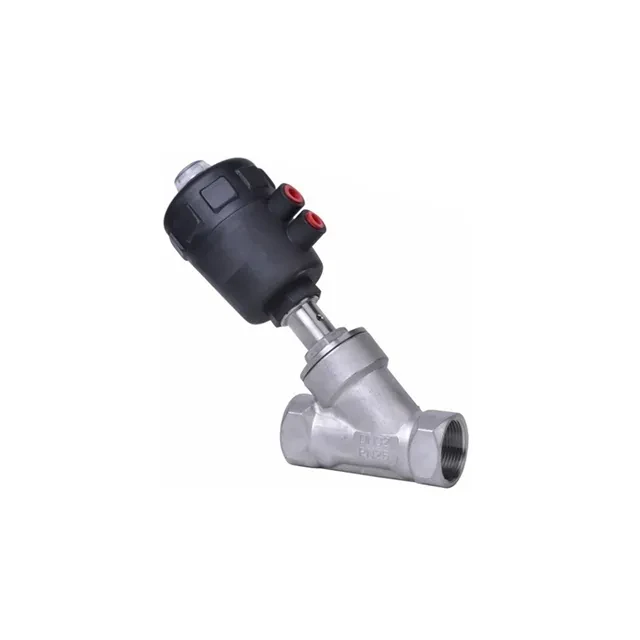
Angle Seat Valve
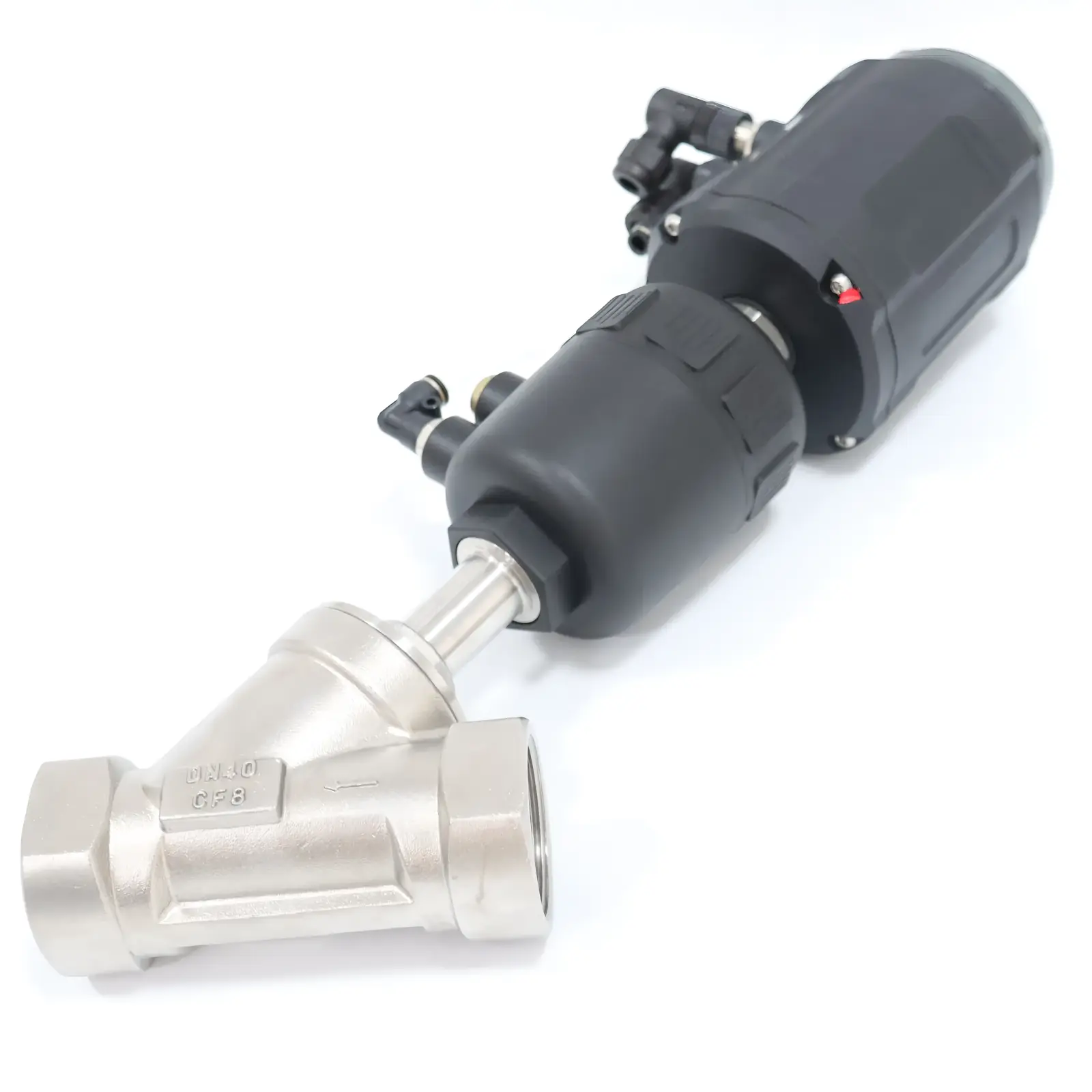
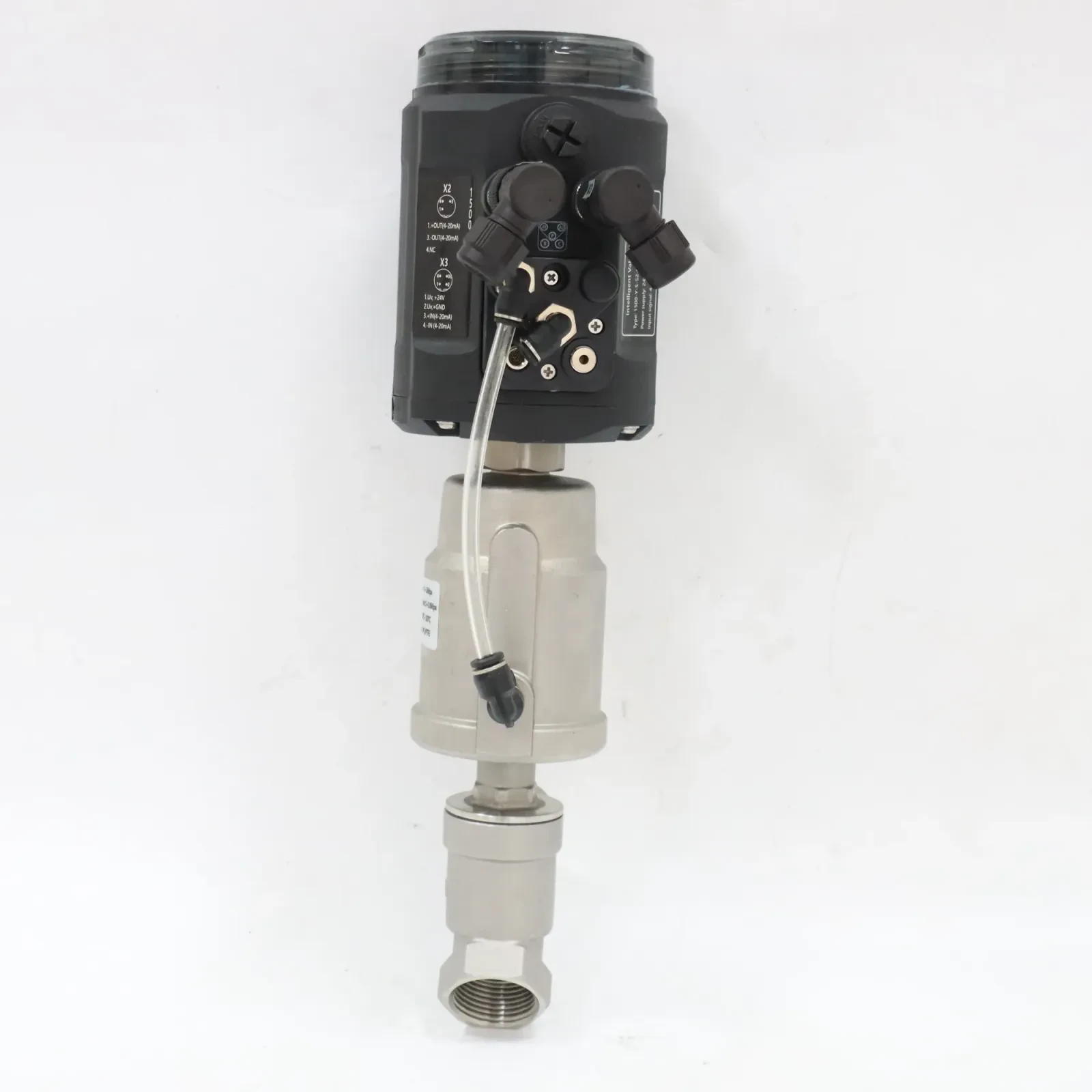
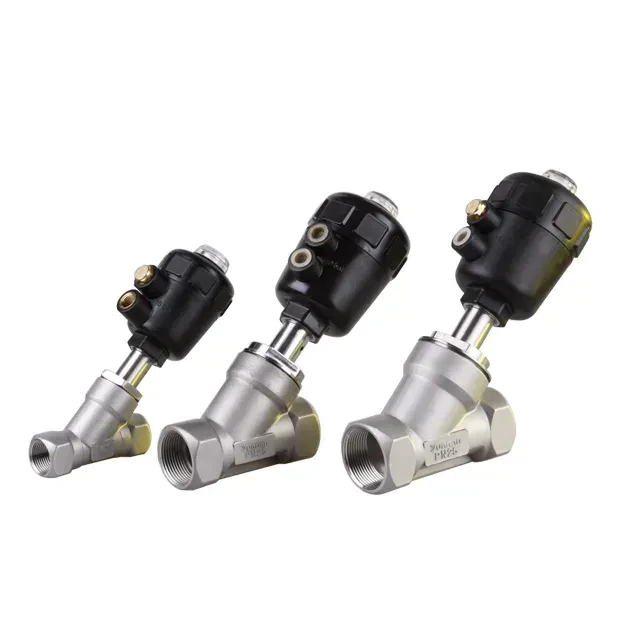
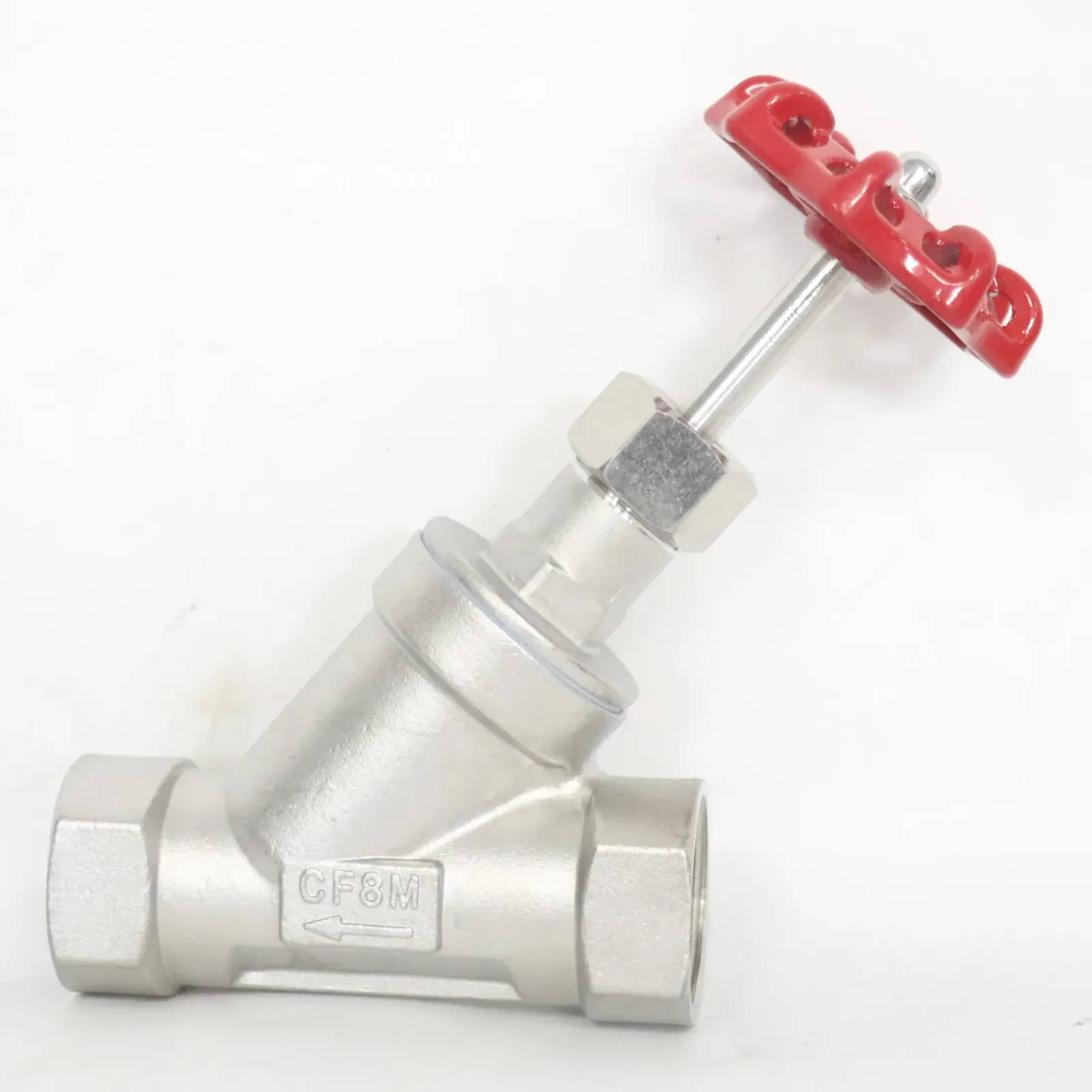
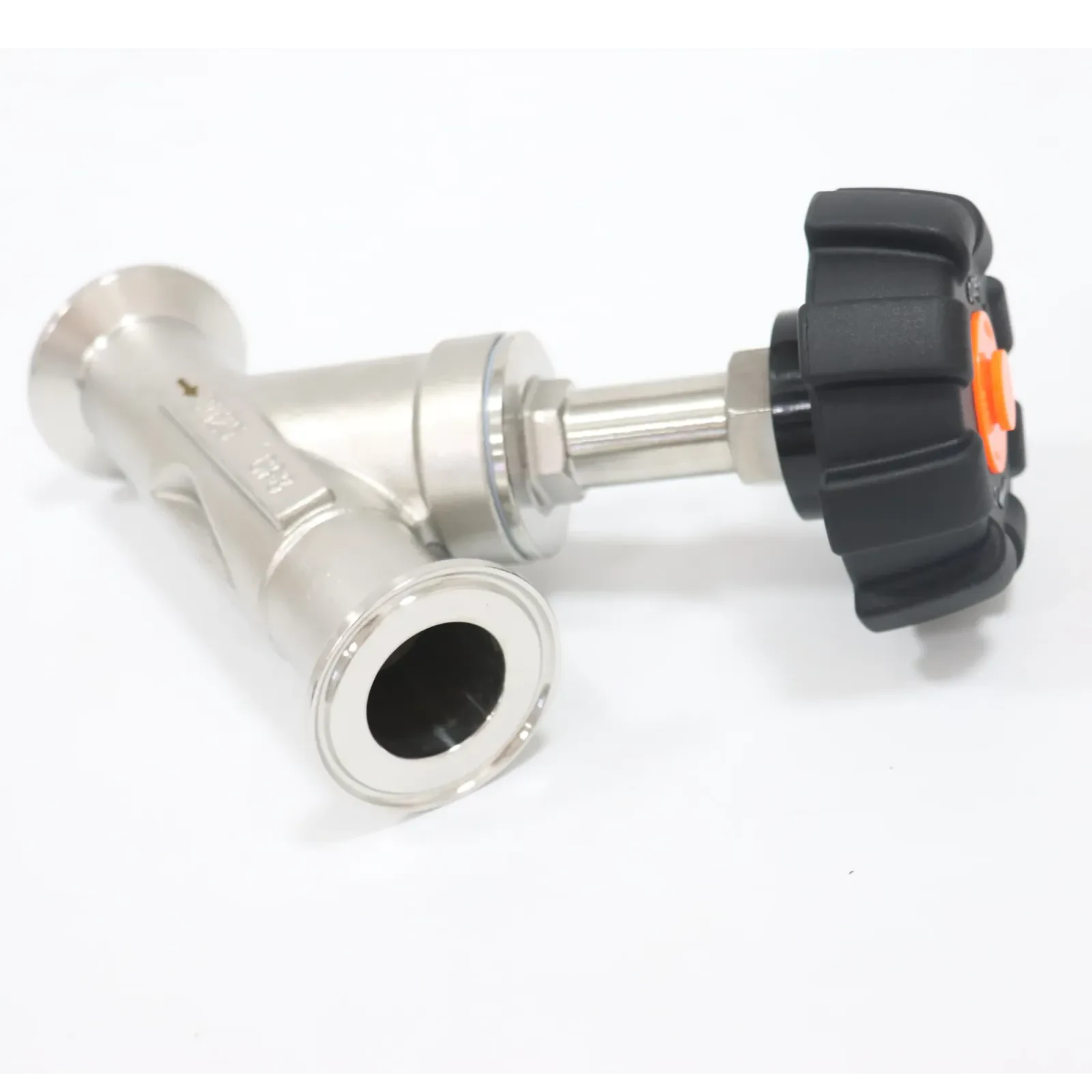
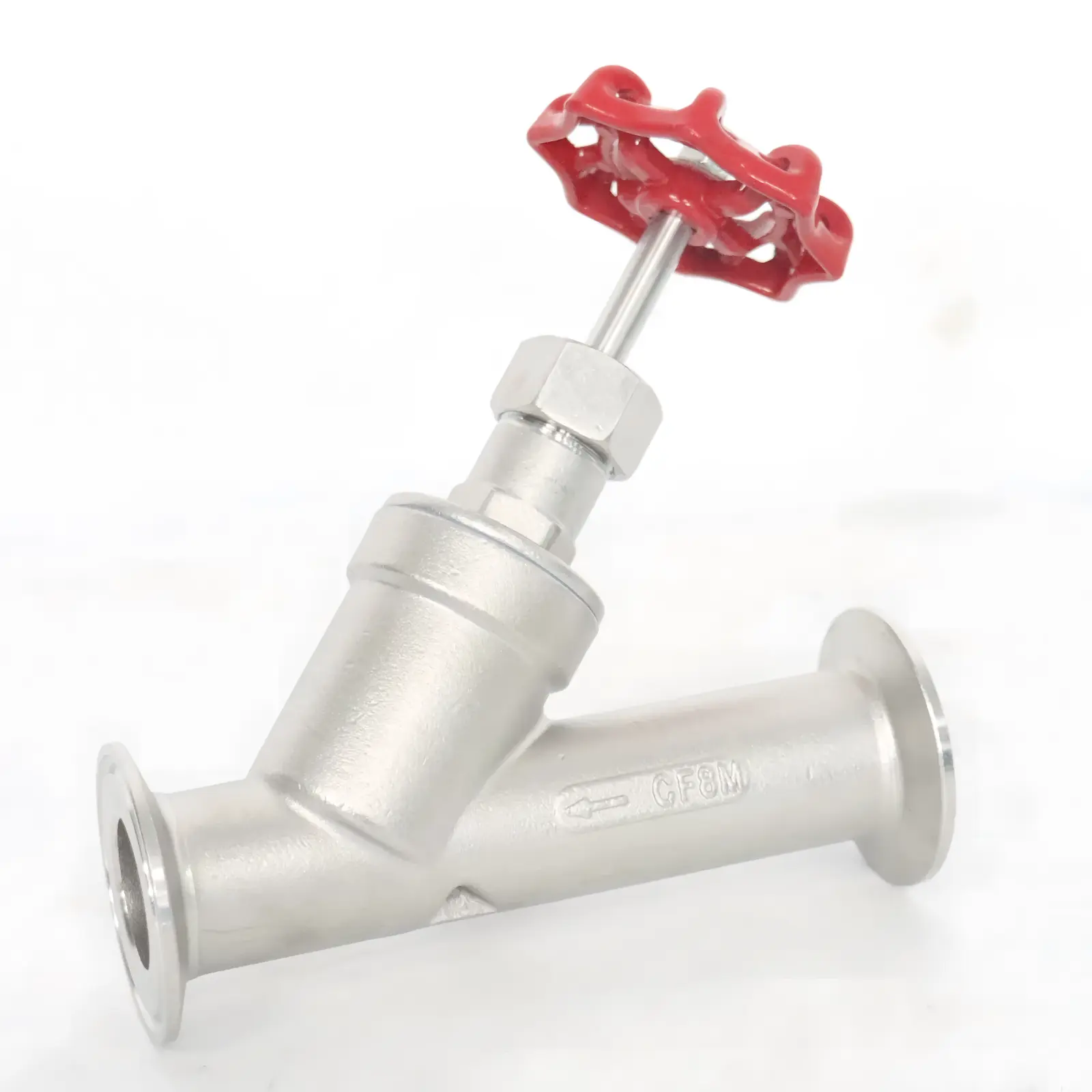
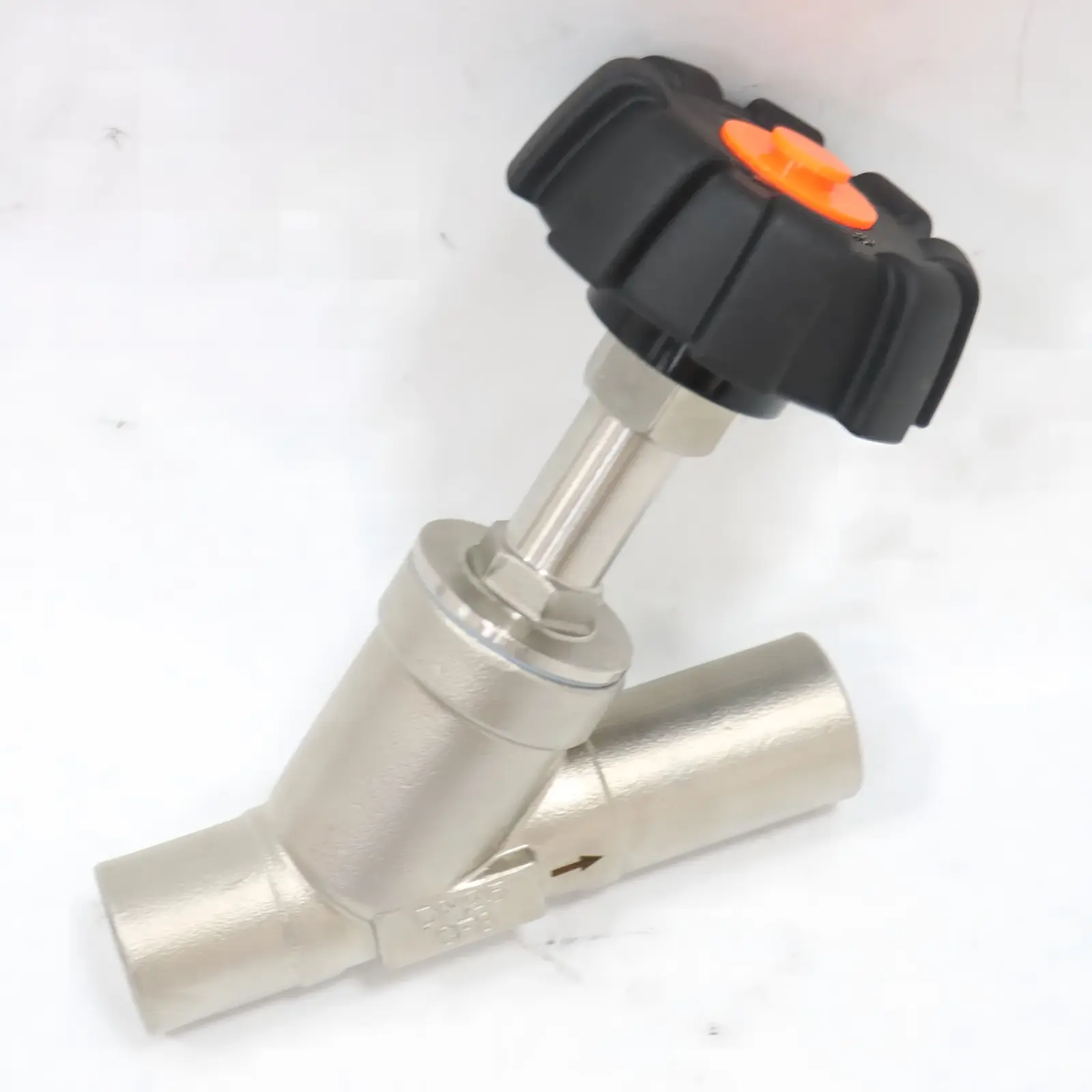
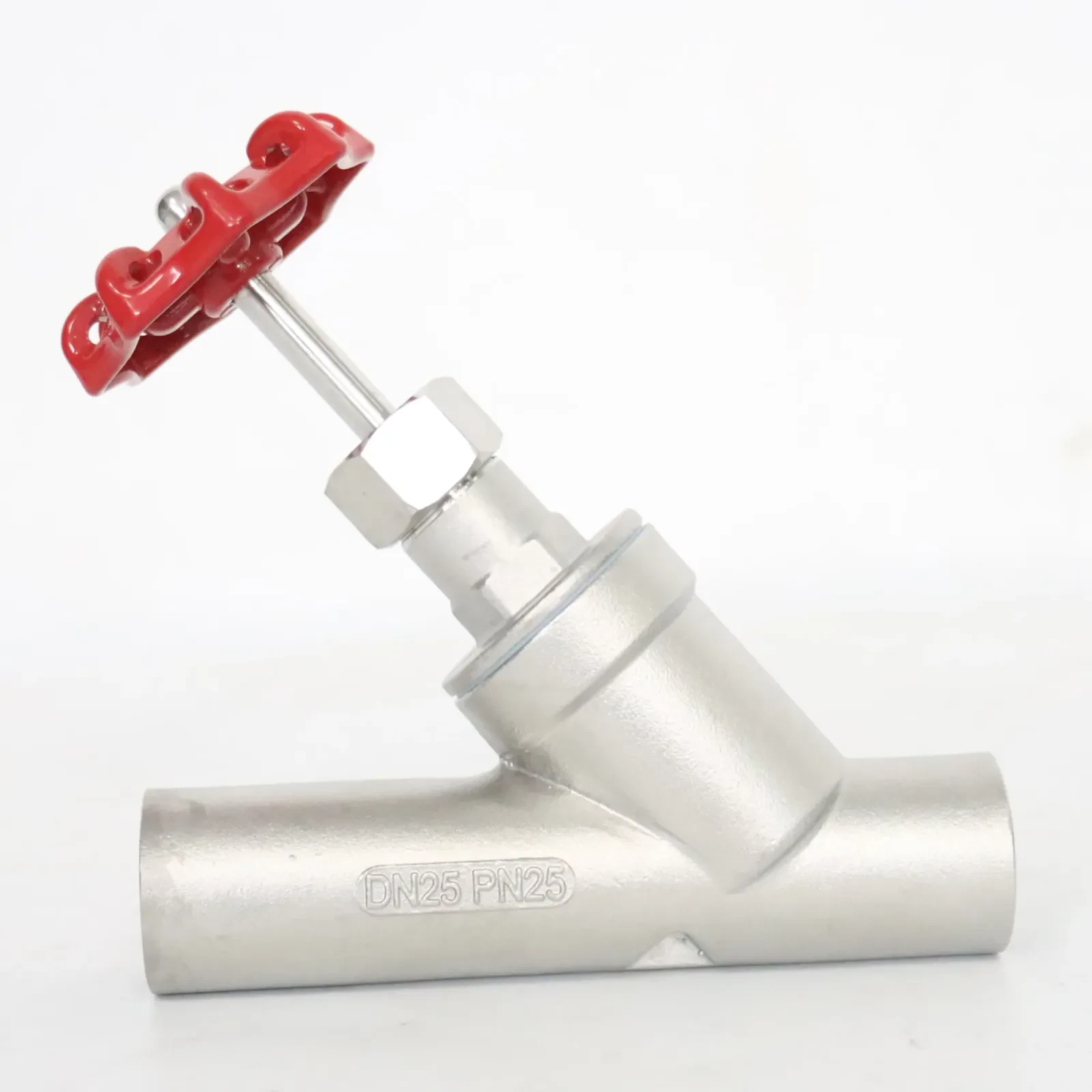
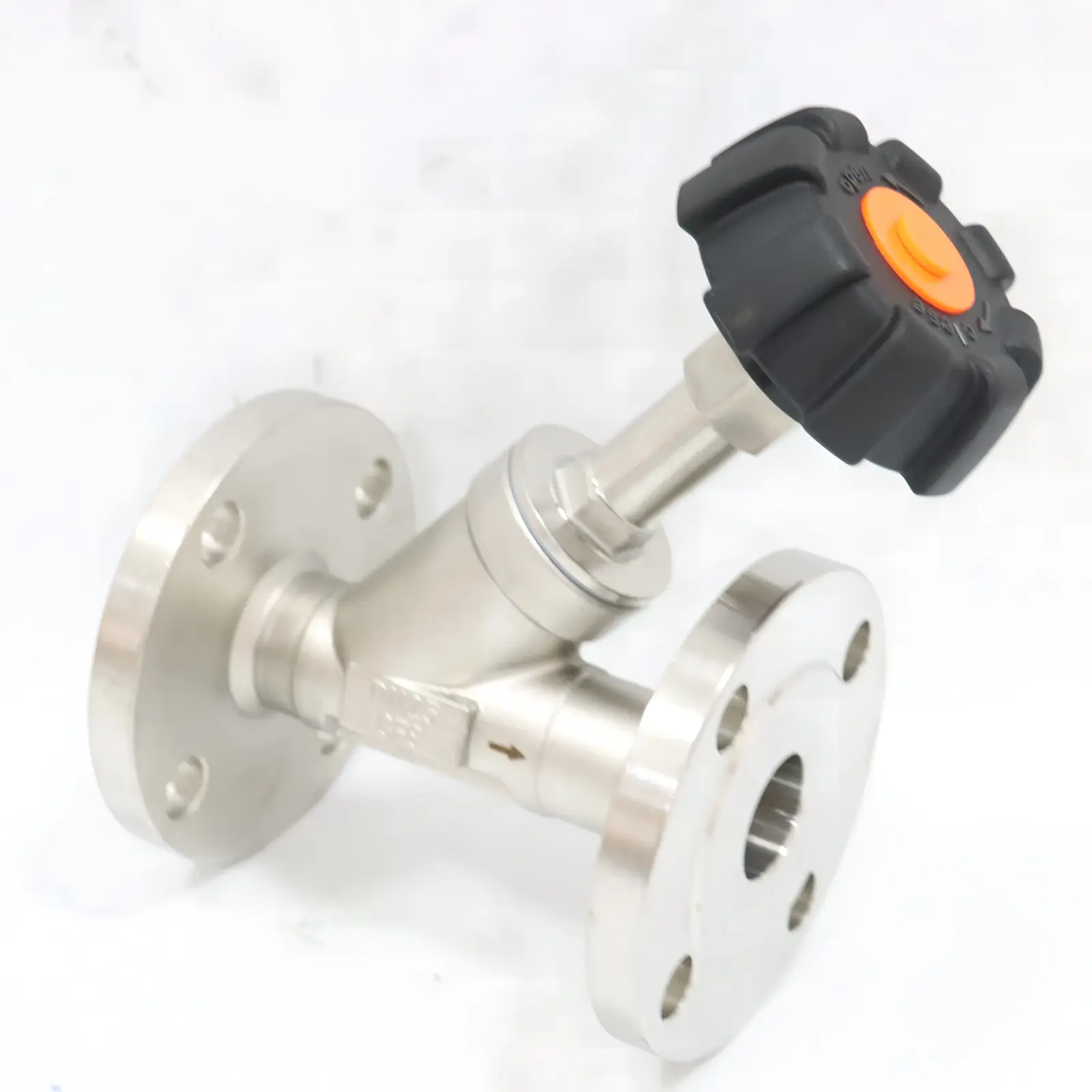
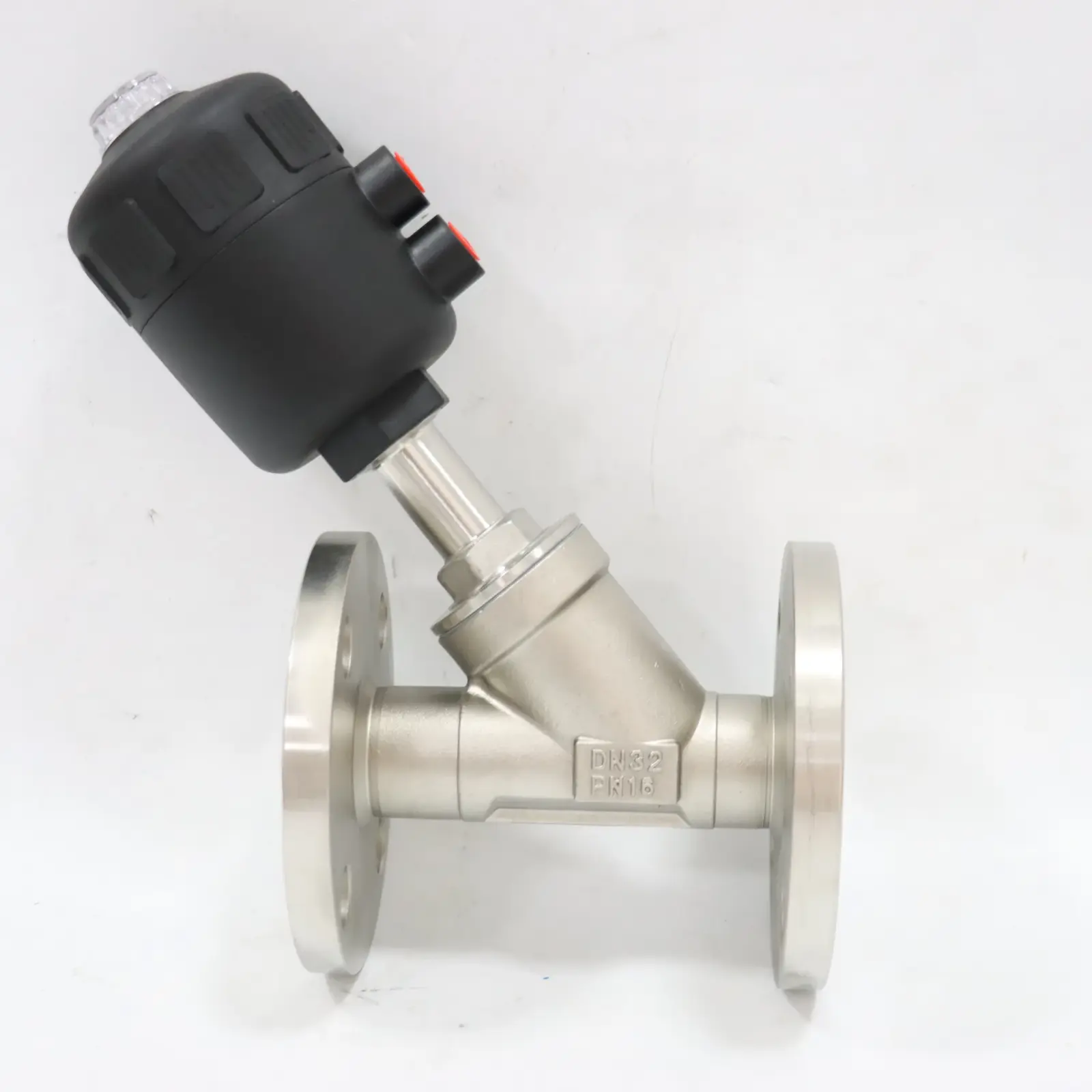
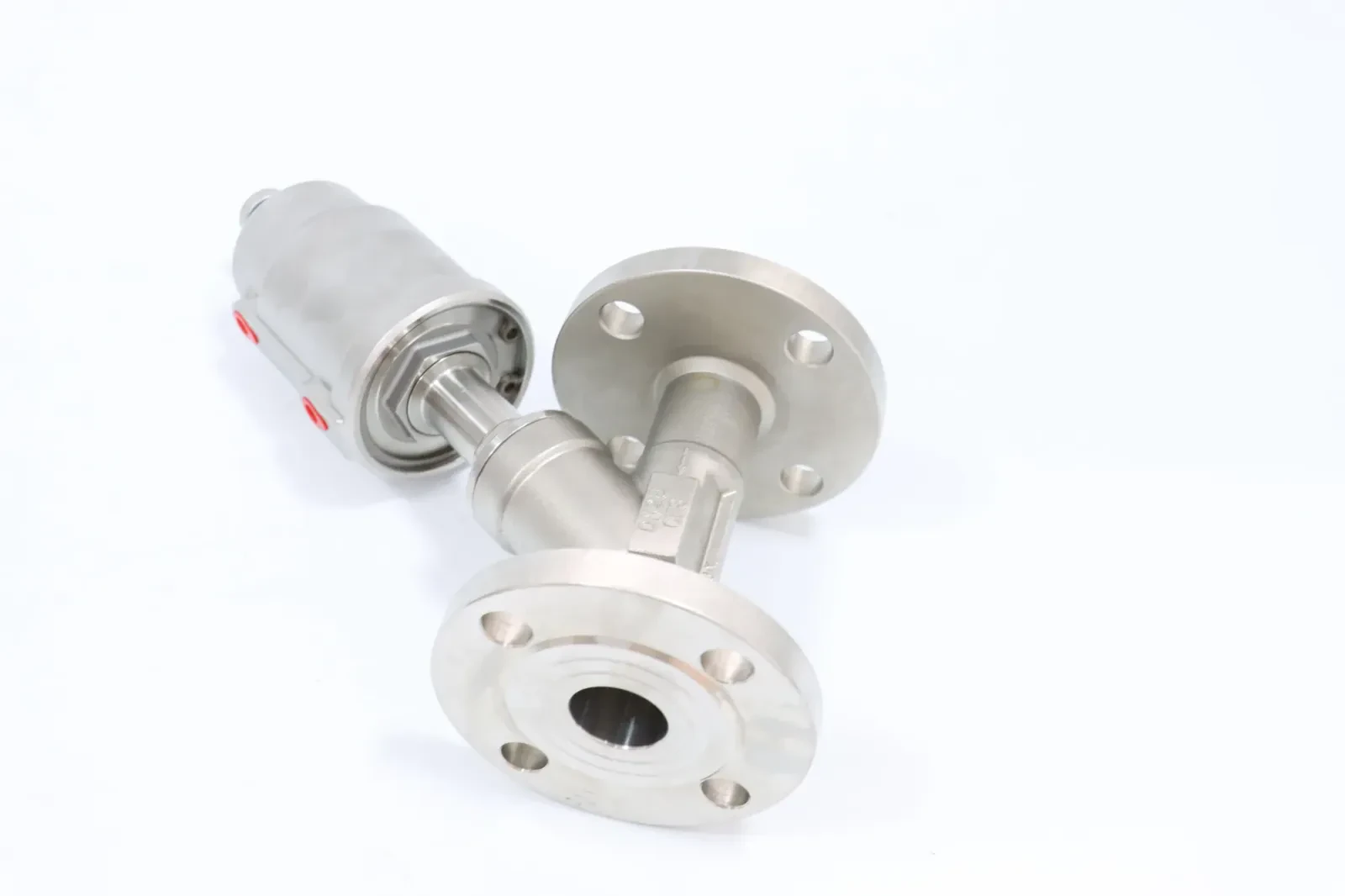
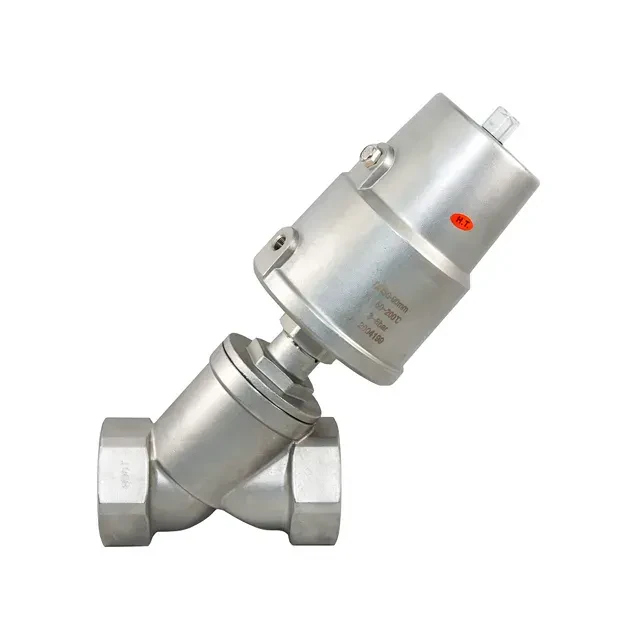
Stainless Steel Sanitary PTFE Welded Angle Seat Valve
- Brand
- JONENG
- Model
- JN-AS-1001
- Part number
- LD-577621498
This sanitary welded angle seat valve uses stainless steel and PTFE, a streamlined flow channel and a 45° body to control fluid opening, closing and flow rate. It is used in food, pharmaceutical and bioengineering processes, including CIP/SIP cleaning, purified-water, steam, compressed-air, filling and mixing systems. It can be used in most gas, liquid, steam and corrosive applications, with a radiator to protect the actuator.
Description
The design purpose of the stainless steel sanitary welded angle seat valve is not only to control the opening and closing of fluids, but also to provide a stable, low-resistance, and high-life fluid regulation solution in a high-cleanliness environment. Traditional valves are prone to leakage due to seal wear when they are frequently opened and closed, while welded angle seat valves optimize the flow channel structure, reduce turbulence and flow resistance, and make fluid delivery smoother. In addition, its valve stem adopts a self-lubricating design to ensure that it remains flexible after long-term use and avoids the problem of jamming caused by frequent opening and closing. In high temperature and high pressure environments such as CIP/SIP cleaning or steam sterilization, welded angle seat valves can provide higher sealing reliability and avoid residual liquid from contaminating the pipeline system. At the same time, its welding connection method eliminates the dead corners and liquid accumulation points that may be caused by threaded or flange interfaces, further improving the hygiene level and ensuring the aseptic production requirements of the food, pharmaceutical and bioengineering industries.
More in Angle Seat Valve