
 简体中文
 Español
 Русский
 Français
 Português
 العربية
 Video
Constant Pressure Monitoring Valve
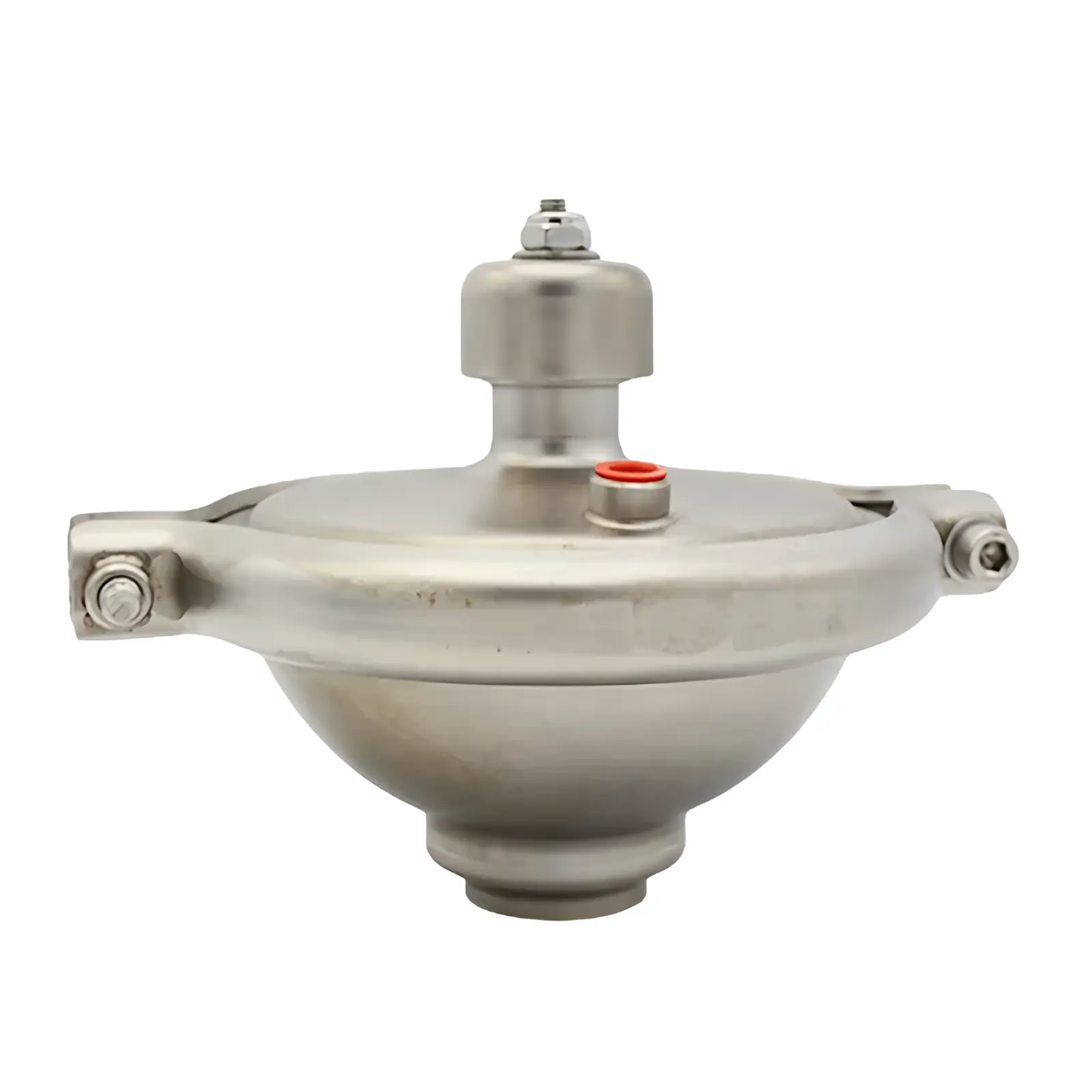
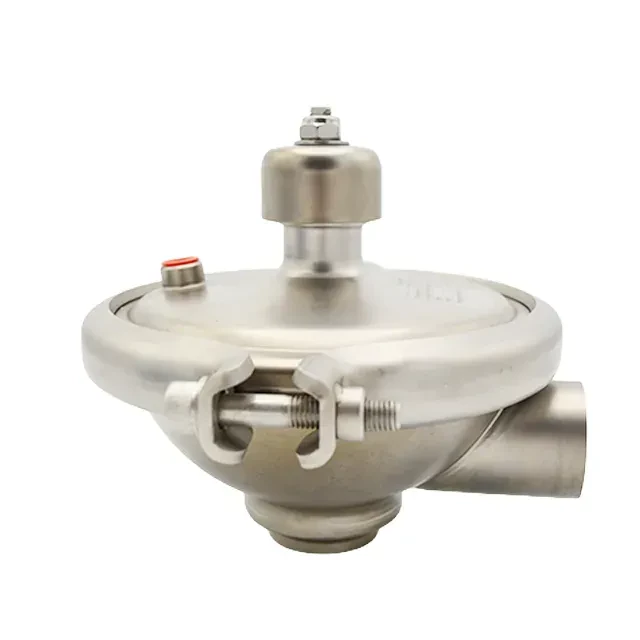
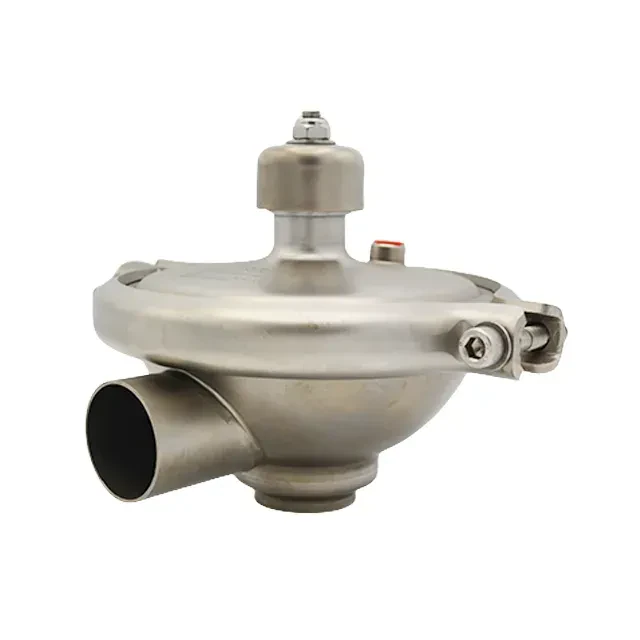
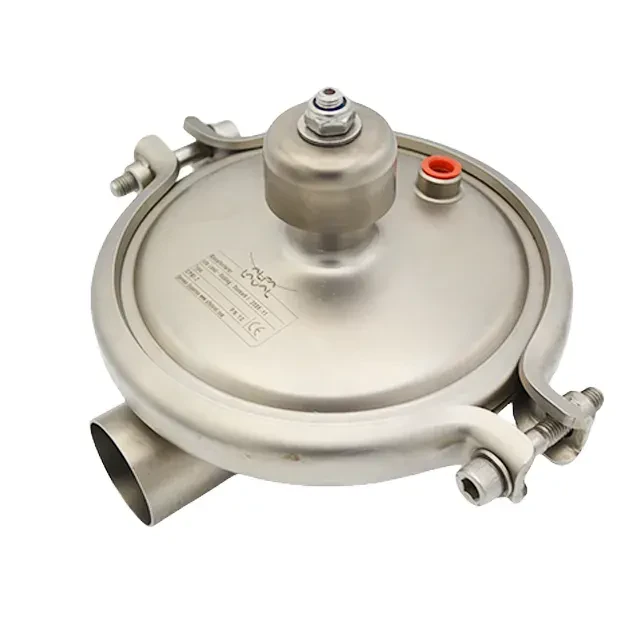
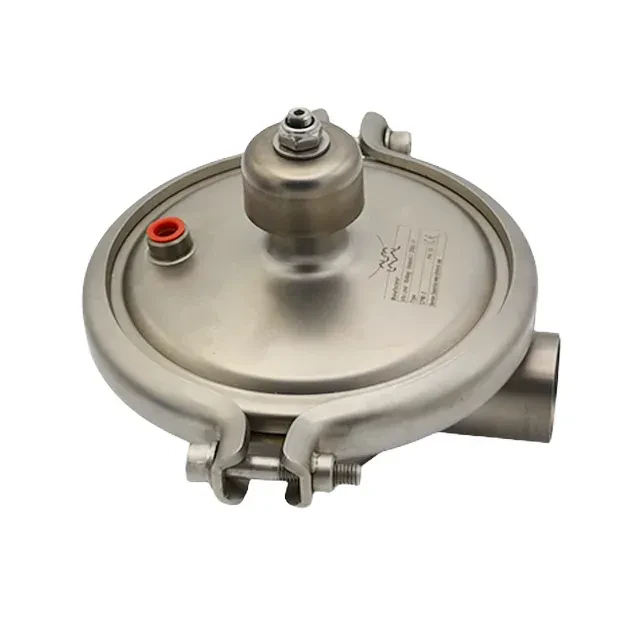
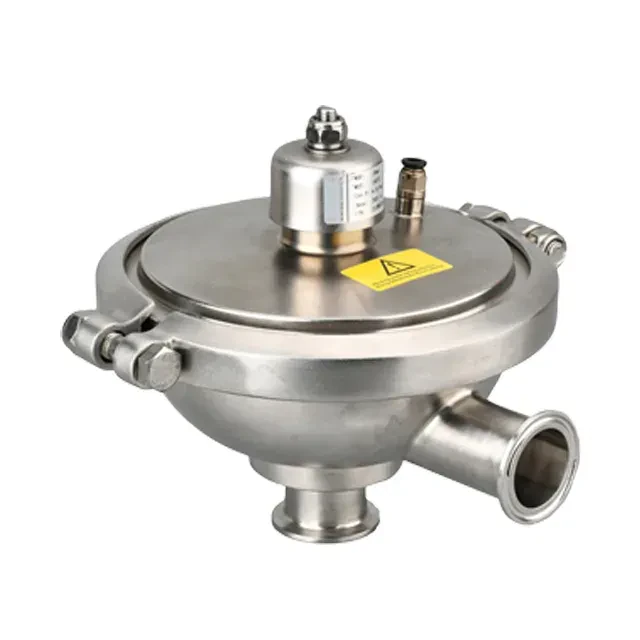
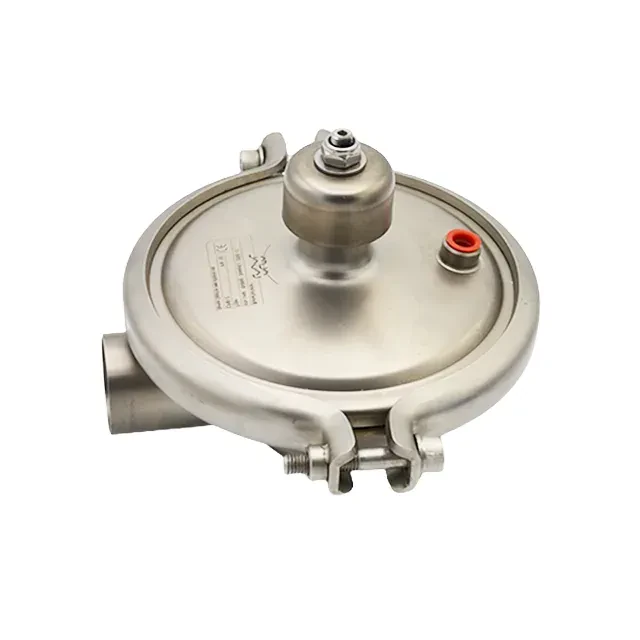
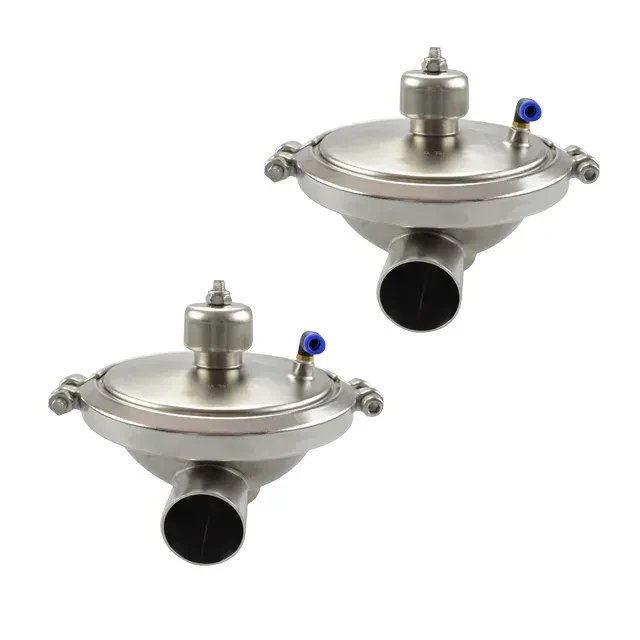
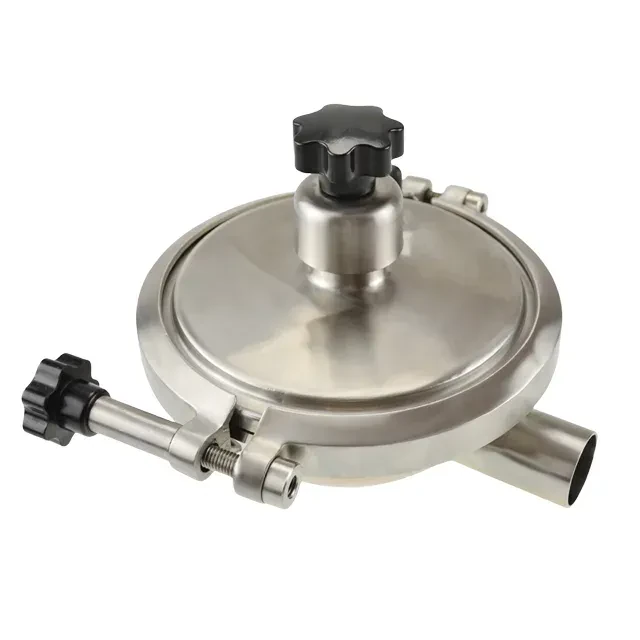
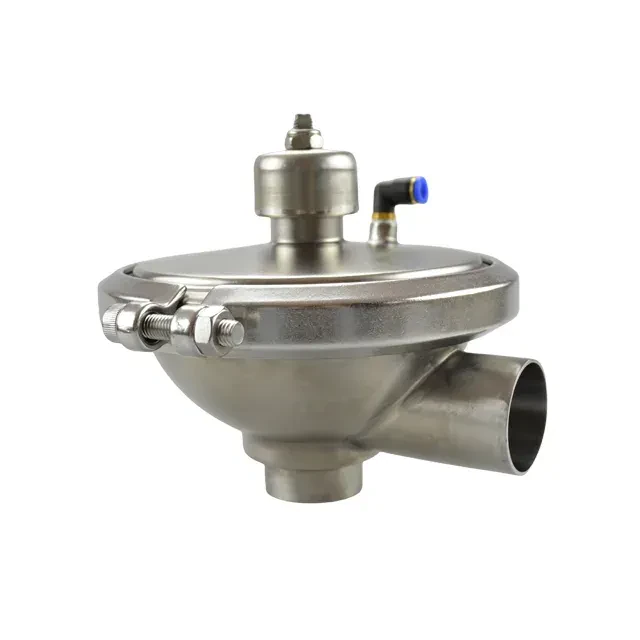
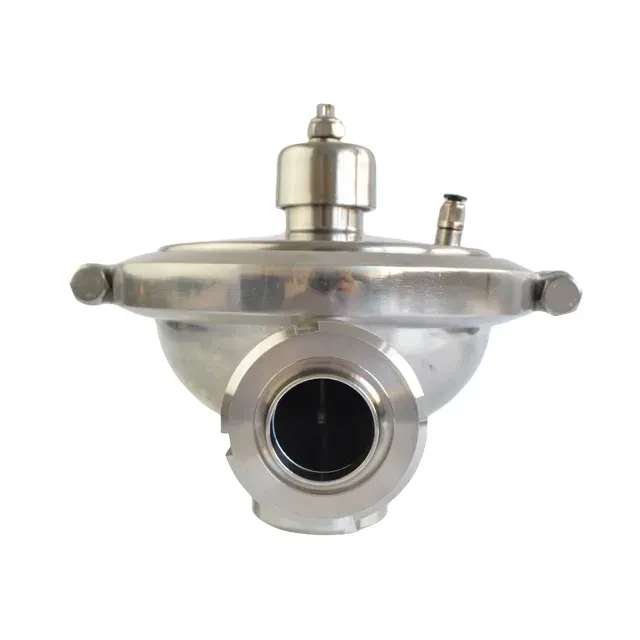
Stainless Steel Sanitary Welded Constant Pressure CPM Valve
- Brand
- JONENG
- Part number
- LD-710037588
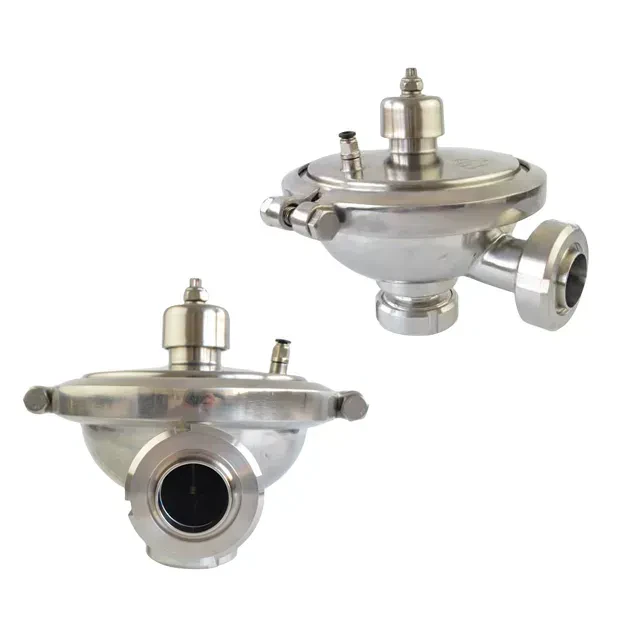
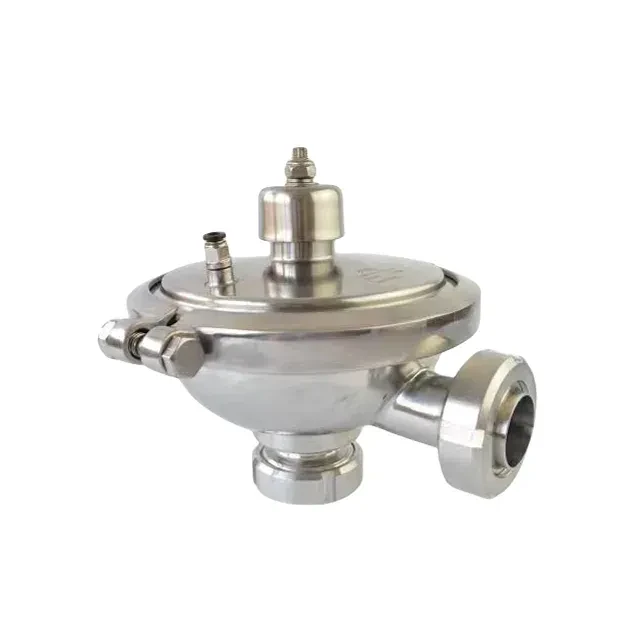
The stainless steel sanitary welded constant pressure CPM valve is a valve designed to ensure constant pressure in the pipeline system, and is usually used in industries with high sanitary requirements. The stainless steel sanitary welded constant pressure CPM valve is usually used in pipeline systems that require stable pressure. It is generally installed in the pressure regulation area of the pipeline system or in locations where the flow rate changes greatly, such as liquid delivery pipelines, water supply systems, or the front end of production lines.
Description
The stainless steel sanitary welded constant pressure CPM valve is designed to maintain stable pressure in the pipeline system, especially in a high-demand sanitary environment. It can accurately control the pressure fluctuations in the pipeline to avoid changes in fluid flow rate or damage to equipment due to unstable pressure. Especially in industries such as food, beverages, and pharmaceuticals, pressure and flow fluctuations of fluids can affect production efficiency and product quality. Through the precise control of the valve, the system can automatically adjust the pressure to ensure that the fluid is always in an ideal state. In addition, the welded structure makes it have higher sealing and corrosion resistance, avoiding the leakage problem that may occur at the connection of traditional valves, meeting strict hygiene standards, and ensuring the stability and safety of the entire production process.
More in Constant Pressure Monitoring Valve
Related products
-
Video
-
 Video
-
 Video
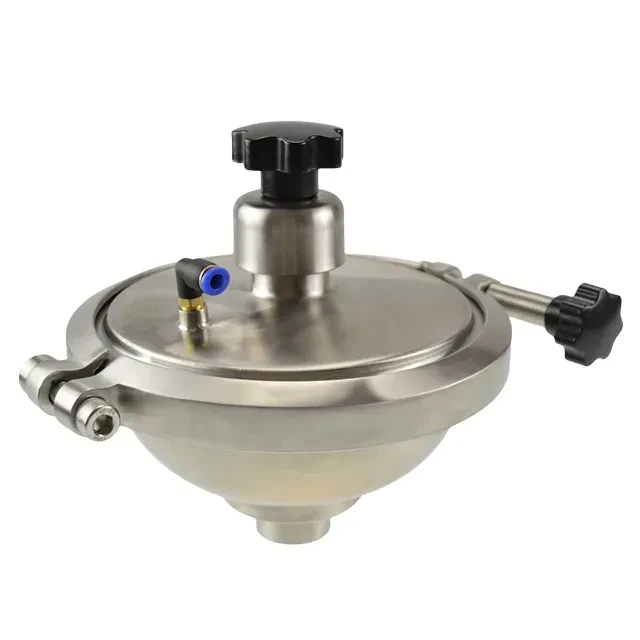
Stainless Steel Sanitary Balanced CPM Valve
LD-756094588
-
 Video
-
 Video
-
 Video
-
 Video
-
 Video
-
 Video
-
 Video
-
 Video
-
Video
- View all Constant Pressure Monitoring Valve